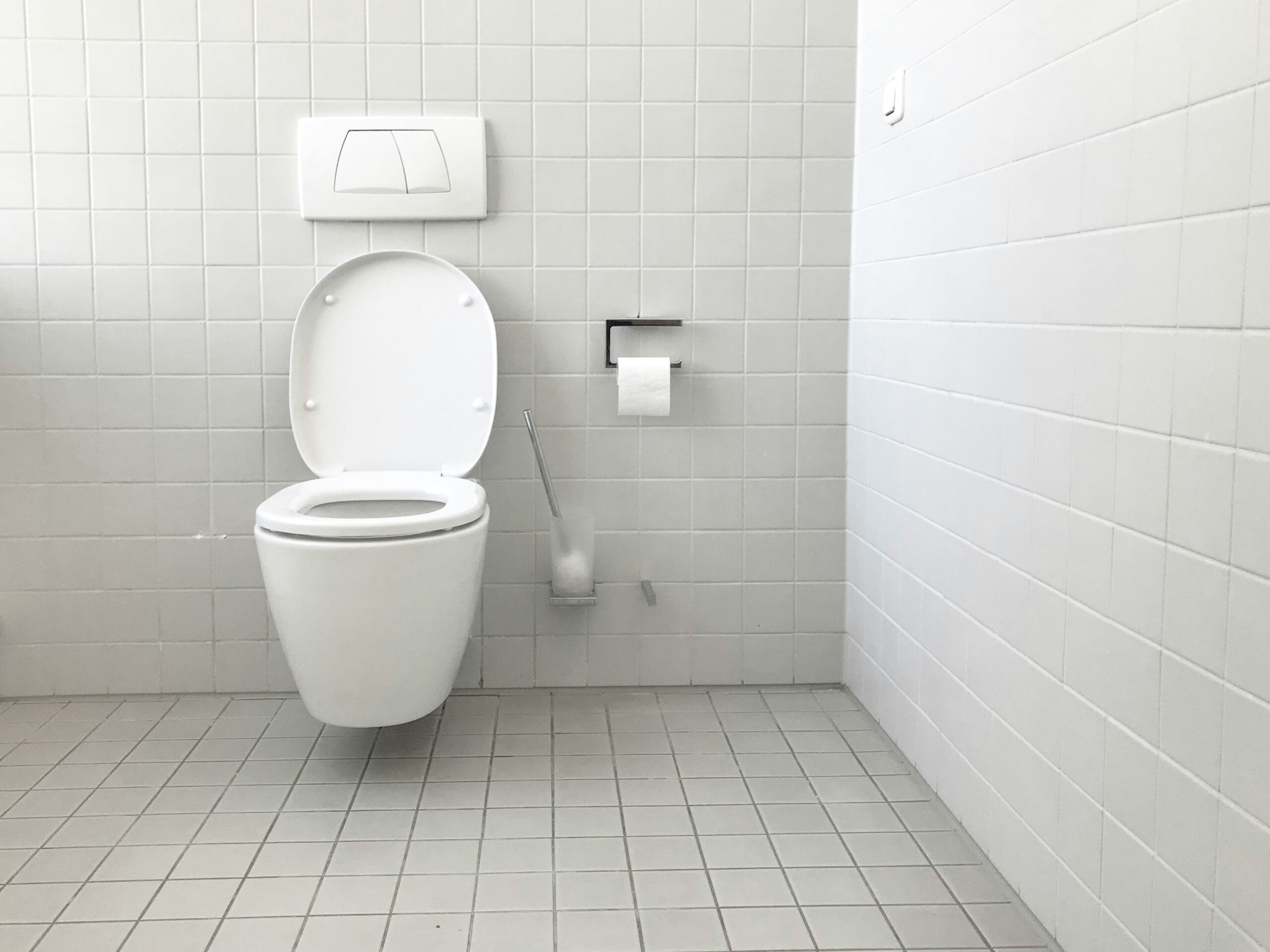
A toilet that flushes but does not refill needs its supply, fill demand and actual inlet flow separated. The conventional float normally falls to call for water; lifting it is not the normal way to start refill.
Safe state before service or another flush
Keep away from wet electrical equipment. Do not touch wet appliances, plugs or switches, or enter water to reach a breaker. When no gas leak is suspected, power may be isolated only from a safely accessible dry location; otherwise call an electrician or emergency help. Wet equipment needs qualified assessment before it is used again.
Stop use for a rising bowl, active external leak or uncertain receiving capacity. Use a known effective safely accessible homeowner supply control without force where appropriate, and obtain help if it fails. Closing the toilet supply stops that feed; it does not isolate shared wastewater coming from other fixtures.
Observe the actual refill state
Identify the actual toilet and fill/flush system before adjusting parts. A conventional open gravity tank, sealed pressure-assisted vessel, flushometer, pump/electronic toilet and concealed cistern need different procedures. Do not open a pressure vessel, remove a cartridge or apply a gravity-tank recipe to an unknown system. A porcelain-lid observation is different from opening a pressure-retaining valve cap. Handle a permitted removable lid carefully and set it on a stable protected surface.
In the conventional float-operated cycle, a falling float calls for refill and a rising float normally closes the inlet at its set level. A maker-permitted gentle unbinding check can be legitimate, but lifting the float is not the normal command to start filling. Do not force or repeatedly tap a mechanism to keep it operating.
- Existing tank water and whether an inlet stream or sound is present.
- A float or linkage visibly held out of its intended position, without forcing it.
- Actual stop type, known position, visible connector condition and whether the supply is available. A hose look-over is different from disconnecting it.
A safe source check is model-specific
Do not turn every stop fully counterclockwise or use repeated flushes as a supply test. A full or partly filled tank can release stored water even when its inlet is unavailable; an empty tank with no inlet flow cannot be diagnosed by more lever movements. Do not claim that every empty lever attempt damages the mechanism.
Fill-valve care and replacement
For supply connectors or retained fill-valve parts, establish effective source isolation, controlled release and verification at the serviced segment, safe access and the actual model instructions. A nearby faucet or drained tank does not by itself prove the inlet is depressurized. Use compatible approved parts and secure all retaining/protective components before attended restoration. Some makers specify a covered, captured valve-flushing step with temporary supply flow; use only that identified complete procedure and its source-off refit. It is not permission to turn on an unknown uncapped valve or aim a loose hose at a bucket.
Actual removable caps and strainers differ. Gentle maker-permitted unbinding or covered captured cleaning may be suitable for an identified system, but do not start an exposed unknown valve. Select the exact compatible assembly, refill routing, dose and protective marks; basic tools or confidence alone do not make every replacement straightforward.
After suitable correction
Use the actual toilet’s waterline, flush dose and compatible fill-valve installation marks. A fill valve’s critical-level/anti-siphon requirement is different from the tank’s intended waterline. A universal inch-below-overflow rule or simply staying below the overflow opening is not a complete setting procedure. Do not alter an overflow tube or defeat protection to raise the level.
A justified functional check needs sound fully secured assembly, a known accepting bowl/drain, no hazardous residue, controlled connected inputs and safe attendance. Use the actual model’s procedure and stop immediately for rising water, external leakage, failure to shut off or abnormal behavior. Do not keep flushing to reproduce a known overflow, leak or unknown receiving problem.
If the tank refills but the bowl does not, assess bowl refill separately. Persistent no flow, external leakage, an ineffective stop or broader source uncertainty needs qualified help.
Related situations
- No refill specifically after supply shutoff
- Bowl is low although the tank refills
- Inlet does not stop after refill
Browse the broader Toilet Fill, Flush & Bowl Dynamics directory. Choose a guide from the actual event and system.