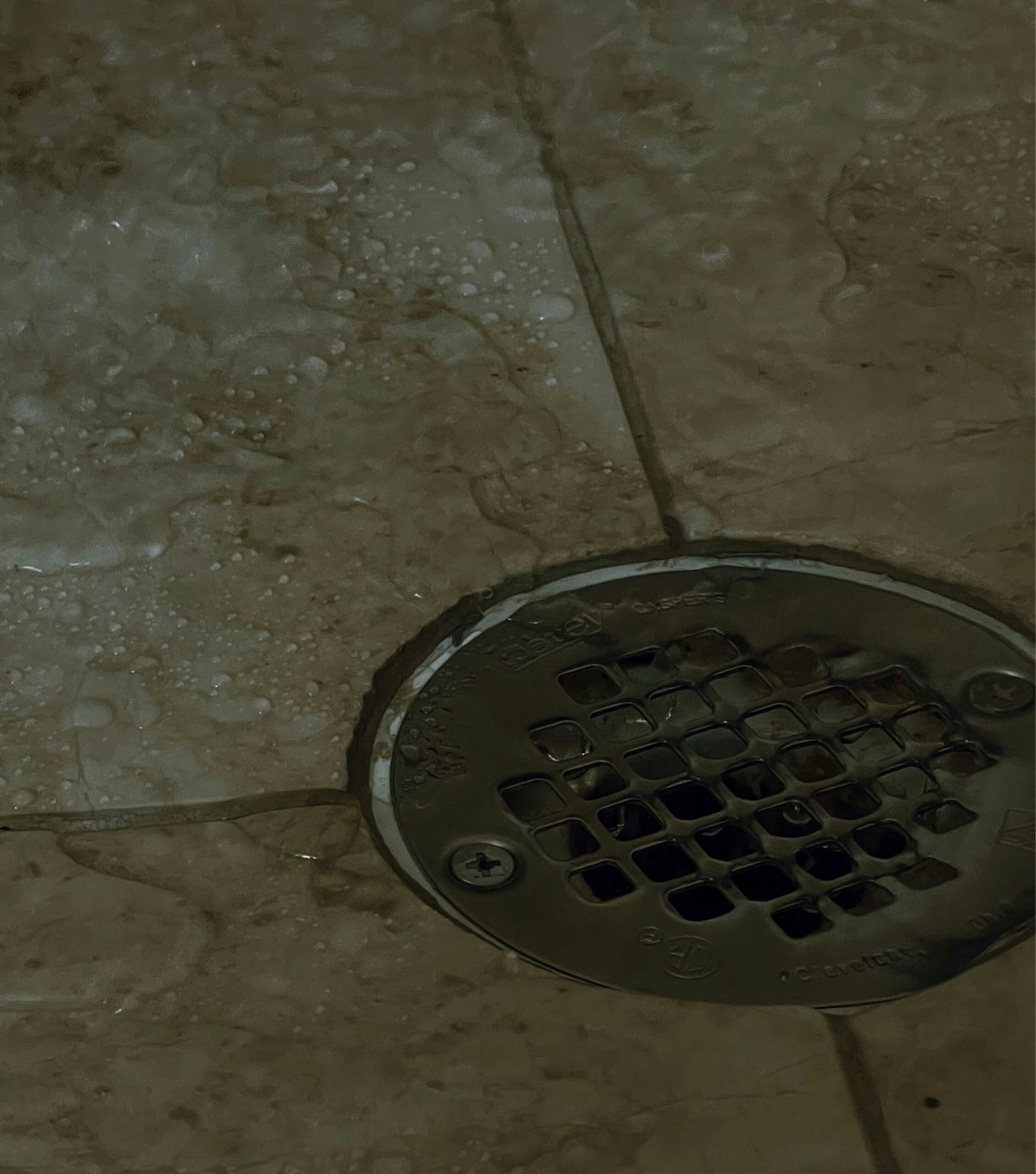
Whole-house drain gurgling after drain work belongs first to the drain, vent and trap system. A supply PRV or air in potable pipes is not a general explanation for drain gurgles.
Safety before another test
If fuel gas is suspected, leave the building or affected area immediately. Do not operate valves, switches, plugs, appliances or phones there. Call the gas emergency service from a safe location well away, and wait for responders’ clearance.
Keep away from wet electrical equipment. Do not touch wet appliances, plugs or switches, or enter water to reach a breaker. When no gas leak is suspected, power may be isolated only from a safely accessible dry location; otherwise call an electrician or emergency help. Wet equipment needs qualified assessment before it is used again.
For uncontrolled water, use only a separate known safely accessible permitted owner control under its actual method without force, or obtain prompt supplier/plumber help. Do not approach wet electrical equipment or operate unknown shared, fire-system, meter or curb controls. Urgent containment comes before documenting the fault.
For strong, widespread or unexplained gas-like fumes, exposure symptoms, or suspected high sewer-gas concentrations in an enclosed space, leave the building immediately and call the fire department or emergency services from outside. Avoid flames, switches and other ignition sources; do not remain to ventilate, sniff drains or investigate. Smell intensity does not measure the concentration. A faint localized drain odor without those warning signs calls for a different plumbing investigation; it does not automatically establish a fuel-gas leak.
Keep the original work and event record
- Actual drain/vent/trap work, original reacting fixtures and any slow drainage or backup.
- Existing room-odor or exposure signs without close sniffing.
- Safely visible changed connections and prior contractor record, without entering hazardous spaces.
What the observation establishes
A dry trap, obstruction, altered vent connection and receiving-capacity problem are different possibilities. A quiet response after water is added does not prove vent continuity or exclude a downstream restriction. Supply and sanitary paths must remain distinct.
What to do next
- For backup or several slow drains, stop adding water and contact the drain contractor promptly. Do not run several fixtures as a stress test.
- Use the emergency fume response above for strong/unknown gas-like room fumes or symptoms. Do not stay to ventilate or listen at a roof vent.
- Keep observations at safe ground or intended accessible locations. Have roof/hidden vent continuity and trap function assessed by suitable service.
- Do not climb to a vent, listen there while another person runs water, cap a vent or pour chemicals to silence a gurgle.
- Any restoration or functional check needs the actual repaired drain/vent configuration and accepting downstream capacity; a separate supply fault needs its own evidence.
Before any retained parts are opened
Drain work needs the actual sanitary layout, receiving capacity, contents and any chemical exposure identified before a trap or connection is opened. A blocked line can retain wastewater. Do not loosen a cleanout, dismantle a trap or open a concealed joint as a sound test; suitable service must control retained contents and restore the actual drain/vent/trap configuration. Keep people away from contaminated backup and unassessed spaces.
Will supply-pressure adjustment fix drain gurgling?
Not as a general repair. Investigate the actual drain, vent, trap and receiving path; do not alter a potable regulator without independent evidence of a separate supply problem.
Related guides
- Noise began after plumbing work
- Meter behaving oddly after plumbing work
- Sediment clogging fixtures post repair
- Post-Repair Water Entry Behavior