Quick Answer:
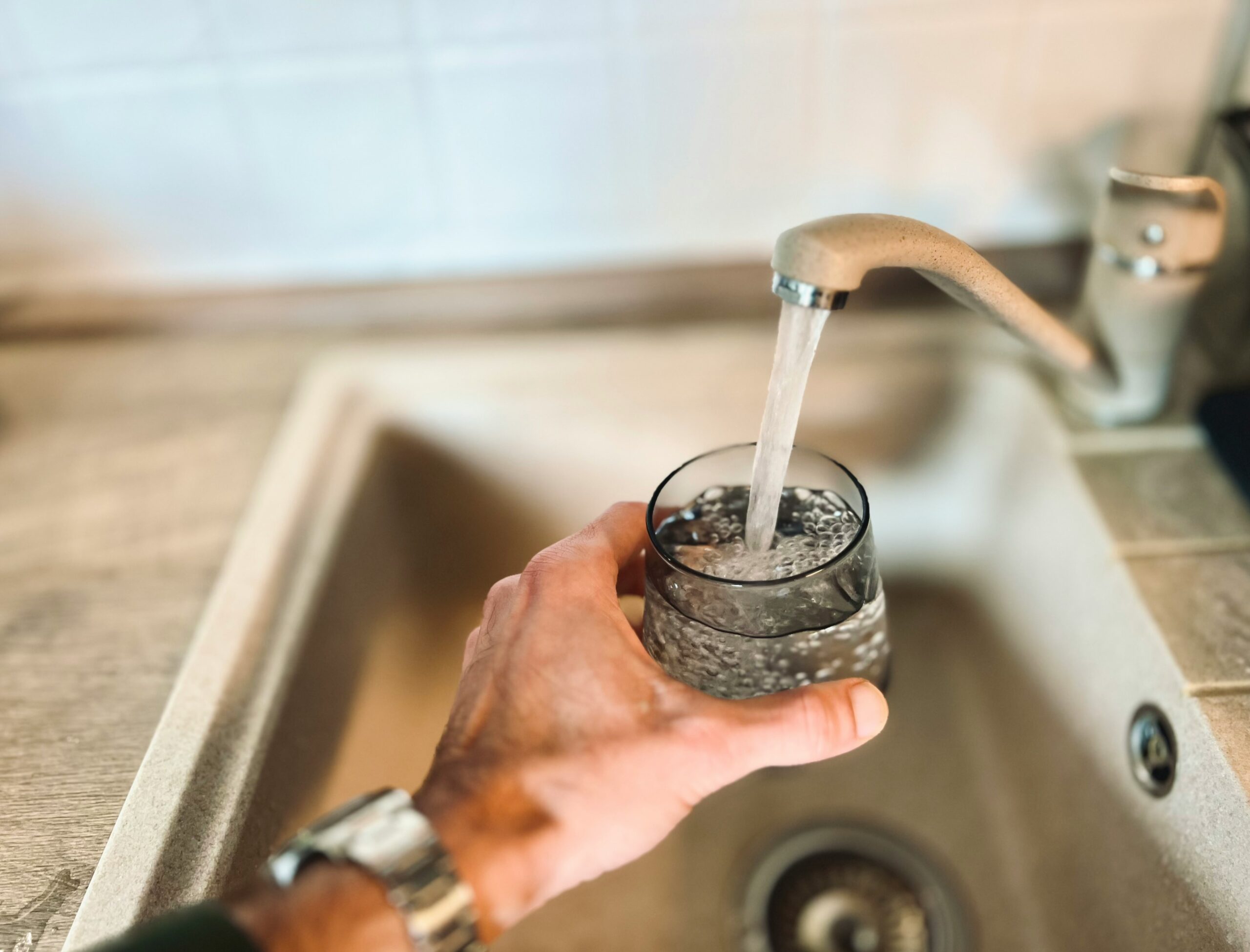
If your water is brown first thing in the morning, it is often caused by rust or sediment that settles in pipes when water sits overnight. Draw a glass of the first water of the morning and compare it to water drawn later in the day to see if the color clears after flushing. If discoloration is brief and clears quickly, the problem is usually isolated; if it persists, take further steps below or call a plumber.
Why This Happens
- Many plumbing systems have older iron or galvanized pipes. When water sits still, iron particles can settle, then stir up when you run the tap, causing a brown tint.
- Corrosion inside pipes or the water heater can release rust into standing water overnight.
- Utility work or changes in water flow can disturb sediment in the main and cause temporary discoloration at your taps.
- Seasonal factors—such as frozen ground thawing or long periods without use—can make sediments more likely to enter your system. See also Brown water after freezing weather and Water turns brown after long vacation for related situations.
Step-by-Step What to Do
1. Check the first draw
Draw the first water of the morning into a clear glass and note the color. Keep that glass separate and then run cold water from the same faucet for several minutes and draw another sample. Compare the two samples to see how deep the color is and whether it clears with flushing.
2. Test multiple fixtures
- Check both a cold kitchen tap and a bathroom tap. If only one tap shows brown water, the issue is likely local to that branch of piping or a fixture.
- If both cold and hot water are brown, the problem may be the water heater or the main supply.
3. Flush the system
Run cold water from the lowest and highest taps in the house for 5–10 minutes to clear standing water. Note whether color fades with flushing. If the water clears quickly, overnight stagnation is a likely cause.
4. Isolate the water heater
Turn on a hot tap only. If only hot water is brown, sediment buildup in the water heater is common. Flushing the heater per manufacturer instructions or having a pro do it can help.
5. Keep notes and repeat the check
- Each morning for a few days, draw first water into a glass and note how it compares to daytime draws. This shows whether the issue is consistent or occasional.
- Record which fixtures are affected and any smells or taste changes.
What Not to Do
- Do not drink first-draw water if it is consistently discolored.
- Do not add household bleach or other chemicals to interior plumbing without professional advice.
- Do not assume all discoloration is harmless—avoid using discolored water for cooking or giving it to infants or people with weakened immune systems until the cause is known.
When to Call a Professional
- If brown water does not clear after flushing for several minutes at multiple fixtures.
- If discoloration affects the whole house, comes with a metallic smell or taste, or you notice reduced water pressure.
- If hot water is repeatedly brown and you suspect the water heater—especially if flushing the heater is beyond your comfort level.
- If you see signs of pipe corrosion, leaks, or discolored laundry after washing.
Safety Notes
- Avoid using discolored water for drinking, cooking, making baby formula, or brushing teeth until it is clear or tested safe.
- If you must use water for washing, run cold water until it is clear and use an alternate source for consumption if discoloration persists.
- If you suspect contamination beyond rust or sediment (odd smells, visible particles, or health symptoms), stop using the water for consumption and contact your water supplier or a licensed plumber.
Common Homeowner Questions
- Why was my water clear in the afternoon?
Standing water overnight lets particles settle; daytime flow stirs cleaner water from the main, so later draws often look clear. - Is brown water dangerous?
Most often it’s rust and not immediately harmful, but avoid drinking it until the source is known—rust can indicate pipe corrosion or other issues. - Will flushing my pipes fix it forever?
Flushing can clear settled sediment temporarily, but persistent discoloration needs an inspection or repair to stop recurring.
For more related articles, see the Brown or Rust-Colored Water Events hub.