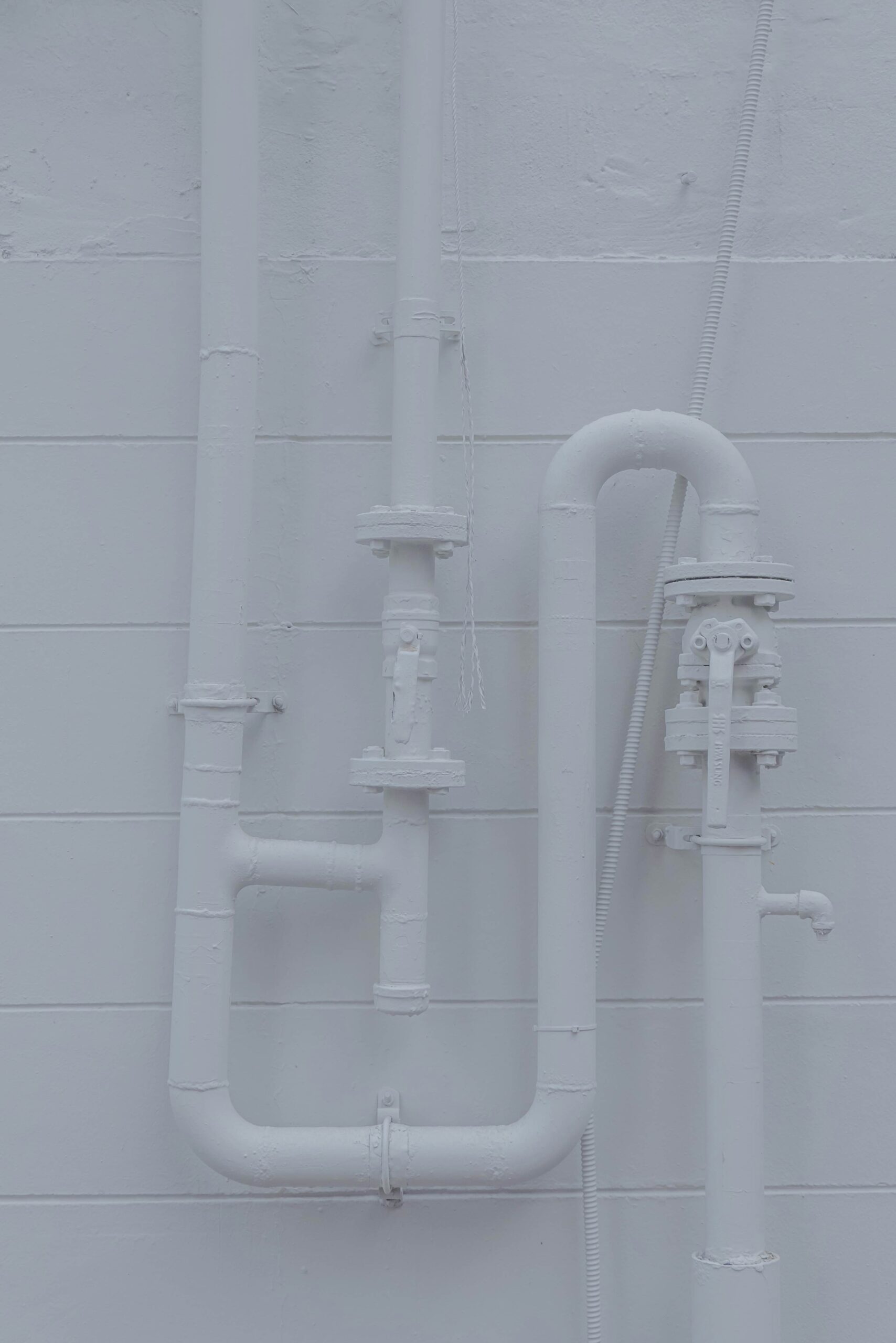
Vibration reported only with hot water is a useful pattern, but it does not uniquely locate a hot-supply defect. Keep the original control setting and heater or circulation context without deliberately running full hot.
Check for a condition that needs prompt help
Stop the relevant use for active leaking, severe movement, loss of control, unsafe temperature or sudden abnormal delivery. Keep clear of spray. A known safely operable customer shutoff may limit a supply leak; do not force a stiff, corroded or unknown valve. Keep away from wet electrical equipment. Use only safely accessible dry electrical controls when safe; otherwise obtain qualified help.
Separate the hot-water pattern from a diagnosis
- Actual layout: A mixer, common outlet, heater, checks and any circulation return can affect the event. Establish whether a recirculation system exists and how its actual control operates; a pump need not run only during a hot draw.
- Heating versus demand: Record an already observed draw, recovery period or scheduled circulation event. Thermal expansion in a closed system can affect connected piping beyond the hot branch. Do not remove checks, disable protection or use relief discharge as routine expansion control.
- Service evidence: Appropriate pressure and flow assessment needs the actual measurement point, side, load and time. A quiet cold setting or touching the hottest/loudest pipe does not select a cartridge or regulator. Concealed inspection may require planned access rather than a promise to fasten everything before opening finishes.
Should I reproduce the bulletin’s heater test myself?
The linked thermal-expansion bulletin is technical background, not a universal owner procedure. Do not change thermostat settings, connect to a hot heater drain or deliberately drive pressure toward relief operation from this article. Obtain assessment suited to the actual heater and system. For suspected fuel gas or a carbon monoxide alarm, leave immediately and call emergency help from safety; do not operate controls or remain to investigate.
What the vibration can and cannot establish
Record the original event, ordinary handle setting, actual model, recent work and safe visible conditions. Flow changes, one temperature setting or the loudest surface can help describe a symptom; they do not uniquely identify a cartridge, supply branch or hidden support. Excitation and a loose part can coexist. Do not grip hot, loose or moving hardware, repeatedly recreate severe vibration or open finishes to chase the sound.
For any service that opens the water path, identify and isolate the actual source independently of the part being removed, then control retained pressure, temperature and other energy. Closing a mixer handle is not necessarily service isolation. Use the exact connection, seal, retainer and support instructions, complete secure reassembly, and check for leaks during approved restoration. Do not use universal wrench turns, forced fittings or jammed shims. Concealed repairs may require planned access; no method guarantees untouched finishes.
Related guides
- Faucet vibrates after repair
- Showerhead rattles during use
- Vibrating Faucets or Showerheads
- A. O. Smith: Thermal expansion
Sources and equipment limits
- BrassCraft: identify and operate the actual supply stop
- Moen example: shower models have different balancing and service requirements
- Portland Water: flow, pressure and demand are different observations
- Watts 25AUB example: measured setting and service precautions
- Amtrol example: tank condition, ambient temperature and empty-water-side precharge
Manufacturer examples explain particular equipment; they do not identify your installed model or prescribe its settings. Use the actual instructions and applicable local requirements. Independent professional review and field testing have not been obtained.