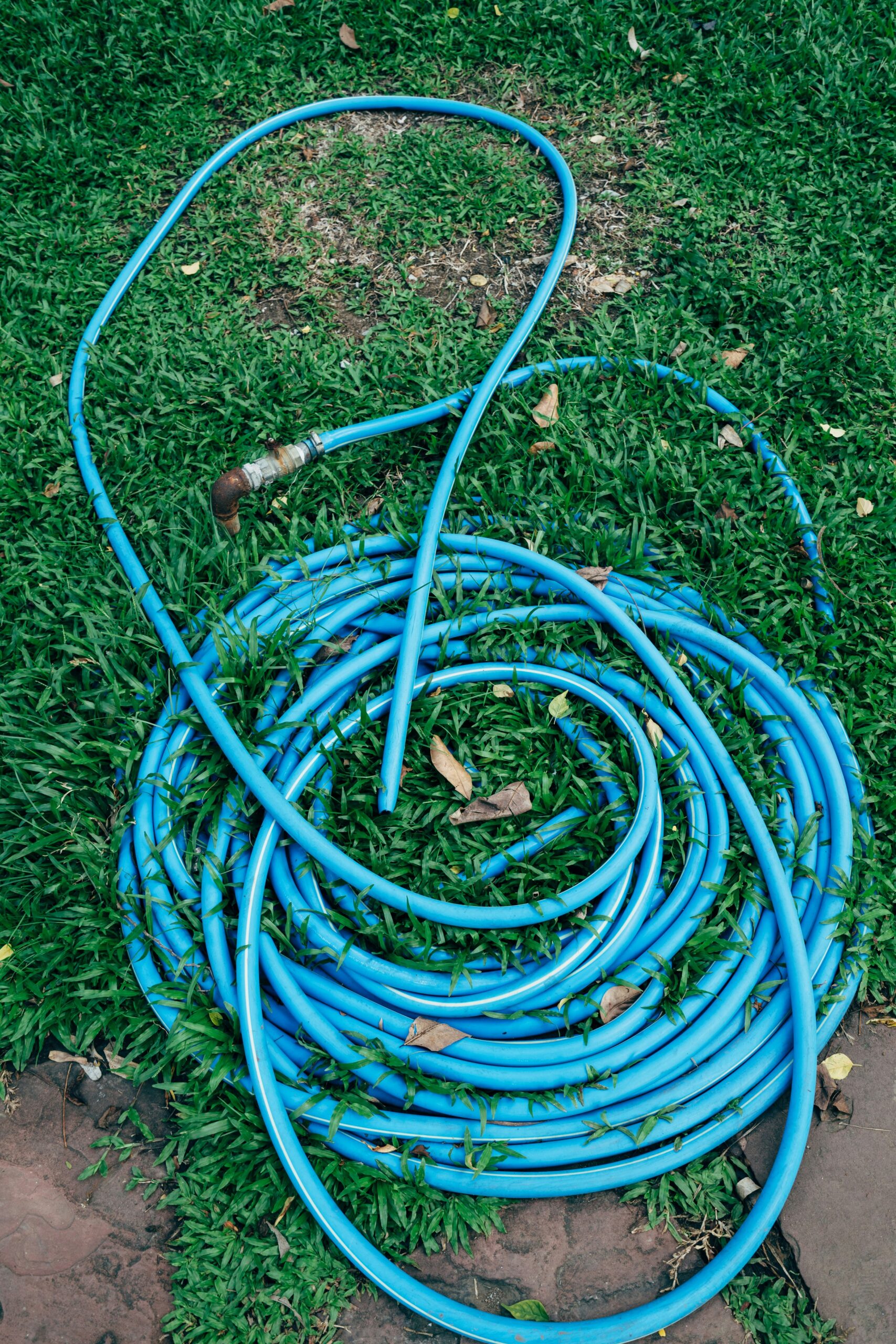
When hose use produces vibration, identify the actual outdoor valve, hose, nozzle and any backflow device. An ordinary cold-only hose bib has no hot-only setting to compare.
Check for a condition that needs prompt help
Stop the relevant use for active leaking, severe movement, loss of control, unsafe temperature or sudden abnormal delivery. Keep clear of spray. A known safely operable customer shutoff may limit a supply leak; do not force a stiff, corroded or unknown valve. Keep away from wet electrical equipment. Use only safely accessible dry electrical controls when safe; otherwise obtain qualified help.
Keep the hose layout and retained pressure in view
- Original event: Record whether noise began with ordinary flow, nozzle closure or another concurrent use. Distinguish vibration at the bib from an indoor fixture reacting during hose demand. Do not repeatedly snap a nozzle closed to demonstrate it.
- Safe checks: From safe access, note visible leakage, contact, damaged hose or unstable mounting. A shut nozzle can leave pressure trapped in the hose. Isolate the actual source and release retained pressure safely before approved disconnection; account for heat in sun-warmed water and special mixed/hot hose installations.
- Protective hardware: Do not remove or disable a backflow device to silence vibration, turn a hydrant body, or remove an escutcheon to probe a concealed connection. Use the actual valve and accessory instructions and appropriate service for uncertain layout or movement.
Is reducing flow the same as reducing pressure?
No. A nozzle or handle changes flow and can leave substantial upstream pressure. A quieter result does not establish safe pressure or the failed component. If the event followed regulator work, the related PRV-shower guide explains how to keep the installation and measurement evidence distinct.
What the vibration can and cannot establish
Record the original event, ordinary handle setting, actual model, recent work and safe visible conditions. Flow changes, one temperature setting or the loudest surface can help describe a symptom; they do not uniquely identify a cartridge, supply branch or hidden support. Excitation and a loose part can coexist. Do not grip hot, loose or moving hardware, repeatedly recreate severe vibration or open finishes to chase the sound.
For any service that opens the water path, identify and isolate the actual source independently of the part being removed, then control retained pressure, temperature and other energy. Closing a mixer handle is not necessarily service isolation. Use the exact connection, seal, retainer and support instructions, complete secure reassembly, and check for leaks during approved restoration. Do not use universal wrench turns, forced fittings or jammed shims. Concealed repairs may require planned access; no method guarantees untouched finishes.
Related guides
Showerhead vibrates after PRV install: use this related scenario when regulator work preceded a shower symptom; hose demand alone does not prove the same fault.
Sources and equipment limits
- BrassCraft: identify and operate the actual supply stop
- Moen example: shower models have different balancing and service requirements
- Portland Water: flow, pressure and demand are different observations
Manufacturer examples explain particular equipment; they do not identify your installed model or prescribe its settings. Use the actual instructions and applicable local requirements. Independent professional review and field testing have not been obtained.