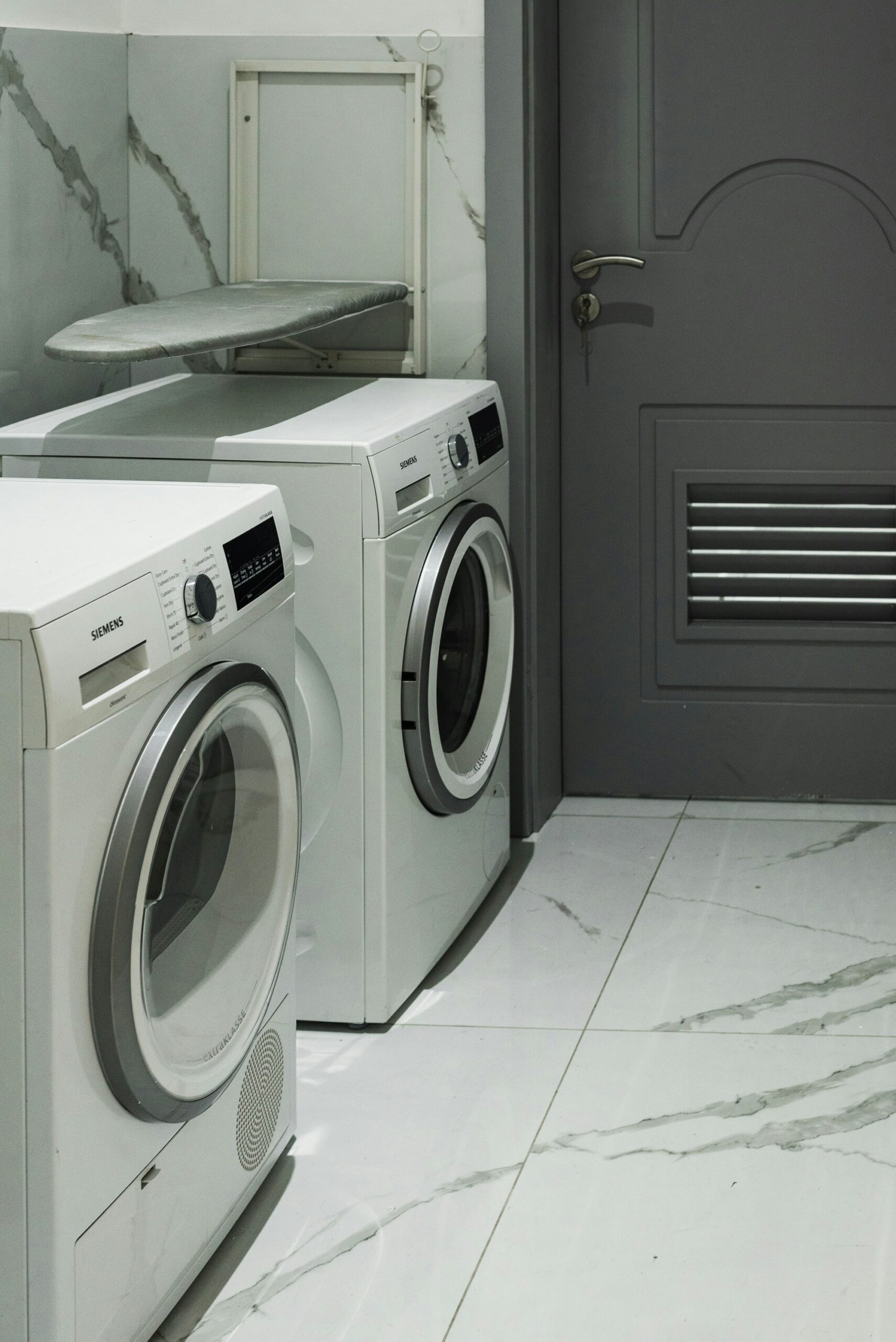
Laundry-area odor can involve the washer, supplied water or nearby drainage. Do not disconnect a hose during fill or collect hot and cold hose water as an automatic smell comparison.
Respond to a possible air hazard first
For suspected fuel gas, leave the building or affected area immediately. Do not operate valves, switches, plugs, fans, appliances or phones there. From well away, call the gas emergency service or emergency services and wait for clearance. Hissing, a strong smell or illness is not required before acting on a suspected leak.
For strong, widespread or unexplained gas-like fumes, exposure symptoms or suspected high sewer-gas concentrations, leave and call emergency services from outside. Do not stay to ventilate, sample or find the source. Never enter a well pit or confined plumbing space. Odor intensity cannot measure gas concentration. A faint localized drain odor without those warning signs can need ordinary plumbing assessment.
Separate the water-use decision
For a new unexplained water-quality change, use a known-safe supply for drinking, food preparation and oral care while contacting the drinking-water supplier or local well-water authority. Follow the actual advice for bathing and other uses. A mild smell, no posted advisory, clearer water or an odor-free interval cannot alone approve use. An identified nuisance condition can have different provider instructions; not every familiar odor requires the same tests.
Keep the original observation
- Original fill, wash or drain stage; exact model, cleaner history and where the odor was noticed.
- Actual connected feeds and recirculation arrangement, recent work and source-water advice.
Hose access needs the washer’s safe state
Before permitted hose or screen work, isolate electrical power from dry safe access, close every relevant water feed, control hot temperature and release and verify retained pressure under the actual procedure. Heater fuel shutdown does not isolate washer water. A paused fill is not an electrically isolated machine. Do not disconnect a hot or pressurized hose into a bucket during operation.
Screen designs and captured discharge vary
Use the actual model’s retained or removable screen procedure. Any maker-permitted hose discharge must be secured in a suitable receiver before controlled feed admission; close and release pressure again before access or reconnection. Restore correct hot/cold routing, compatible hoses, sound assembly and leak checks before electrical return. No generic screen extraction or empty hot rinse establishes water quality.
A pump-state change is not unique source proof
Turning off a recirculation pump changes residence, mixing and transport conditions. A smell observed only during mixed fill does not prove a chemical reaction in the washer or isolate a heater versus loop. Keep actual sampling points and route evidence; do not cycle pumps or flush the heater to select the explanation.
If testing is appropriate, have the supplier or certified laboratory choose the substances, collection site, bottles and handling before flushing, cleaning an outlet or altering treatment. A casual glass, a tank drain and a lab-defined first-draw sample are different. Report existing observations without deliberately tasting water or making hot/cold sniff comparisons.
Arrange the next appropriate assessment
Use the original history to choose supplier or well-water advice, installer or appliance service, or drain/trap assessment. Do not wait for a fixed number of days, repeated exposure or a stronger smell before reporting an unexplained change. Treatment should address actual findings and equipment; a recurrence log or one negative test does not certify every possible hazard.
Related situations
- Smell disappears after flushing system
- Rotten egg smell in hot water
- Sulfur / Rotten Egg Smell in Water