Quick Answer:
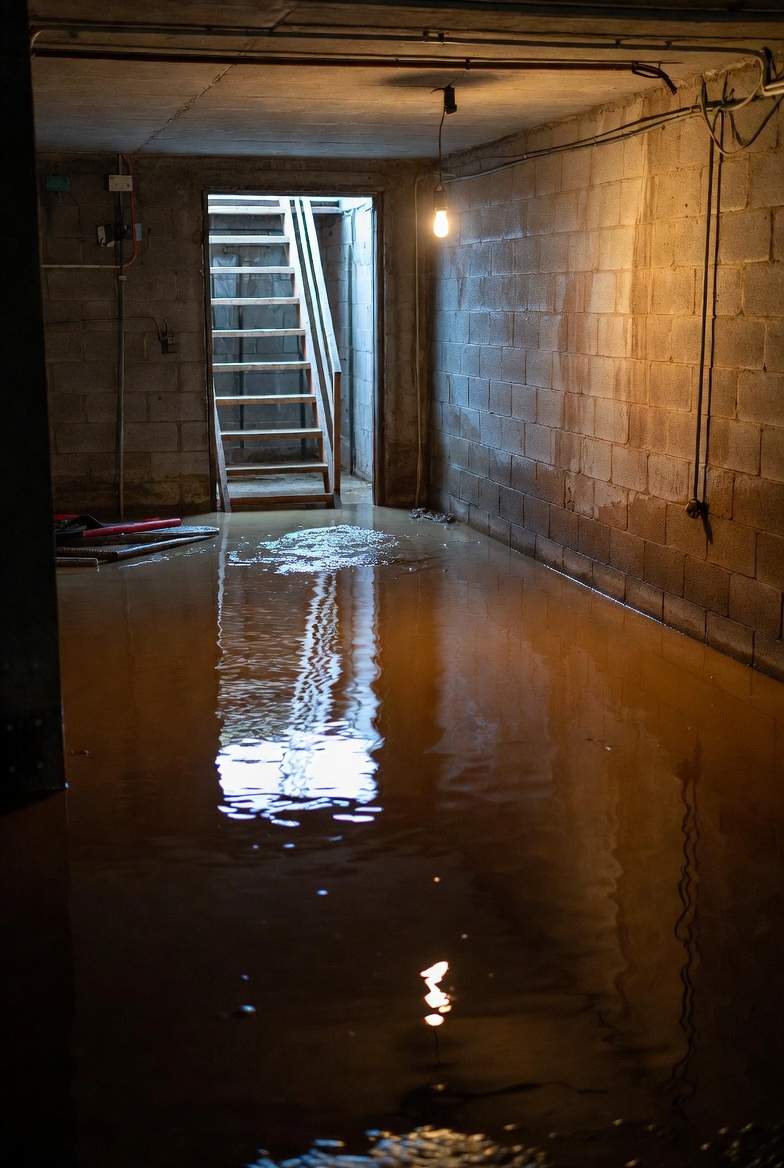
Standing water that shows up only during nighttime checks is often linked to timed appliances, irrigation or municipal water events and changes in pressure — not a mysterious backflow. Track when the water appears and what runs nearby, run a quiet test after midnight, and use a simple bucket capture to confirm timing before calling a plumber.
Why This Happens
- Many household systems run on timers or delayed cycles overnight (dishwashers, water softeners, sump pumps). When they discharge, slow-draining fixtures or floor drains can fill briefly.
- Local irrigation systems or sprinkler controllers often water lawns at night when evaporation is low; that water can enter yard drains or overload municipal storm systems and migrate to basements.
- Municipal water main flushing or pressure drops overnight can change flow directions at cleanouts and cause brief surges or siphoning into poorly vented drains.
- Partial blockages in the drain or sewer line can let small amounts of water pool when flow direction changes. If you suspect city-wide pressure changes, see Standing water after city outage for related situations.
Step-by-Step What to Do
1. Start a simple time log
- For 5–7 nights, write down the exact time you notice the standing water and anything running at that time (dishwasher, washing machine, irrigation, furnace drain, water softener recharge).
- Note whether you smell sewer odor, hear gurgling, or see bubbles when the water appears.
2. Check scheduled outdoor and municipal activity
- Inspect your sprinkler or irrigation controller for nighttime schedules and temporarily disable a single zone to see if the problem stops.
- Ask neighbors if they have overnight watering, and listen for street crews flushing mains or hydrants late at night.
3. Inspect appliances with delayed cycles
- Look at dishwashers, washing machines, septic or water softener recharge cycles. Many appliances delay rinse or drain cycles to off-peak hours.
- Run a manual wash or drain at a recorded night hour (or just after midnight) to see if the basin or floor drain responds.
4. Do a quiet after-midnight test
- After midnight, when the house is otherwise quiet, go downstairs and observe the drain area for 20–30 minutes. Note any faint sounds, gurgles or small inflows that coincide with timers or street activity.
- If you detect movement, record exact times in your log for comparison with appliance cycles.
5. Capture the inflow with a bucket under the grate
- Place a clean bucket beneath the floor drain grate or inside the drain lip (if safe and accessible) before bed. Check it when you find the standing water to confirm whether water is entering at a specific time.
- This simple capture proves timing and volume and helps a professional diagnose whether the flow is internal (appliance) or external (municipal/groundwater).
What Not to Do
- Avoid assuming night-only standing water is supernatural or inexplicable. Start with timing and appliance checks.
- Don’t disable appliance timers without confirming they’re linked to the event — removing a device from service can create other issues (mold, overfull systems, lost settings).
- Don’t stick your hand or head into standing drain water, and don’t run power tools near wet floors.
- Call a pro when night flows coincide with sewer odor, repeated backups, or if you cannot correlate timing to appliance or city activity.
When to Call a Professional
- There is a persistent sewer smell, visible sewage, or raw wastewater — these are signs of a sanitary sewer issue.
- Standing water returns after you’ve ruled out appliance or irrigation timing, or the problem gets worse (more frequent or larger volumes).
- Your log shows surges that line up with city water work or pressure drops and you want confirmation or plumbing repairs to prevent future backflow.
- If you’re uncomfortable performing the tests or accessing drains safely, call a licensed plumber to inspect vents, traps, and the sewer line with proper equipment.
Safety Notes
- Wear gloves and eye protection when handling drain covers or contaminated water. Sewage can carry bacteria and viruses.
- Turn off electricity to basement outlets if water is near electrical devices or panels, and don’t step into standing water if you suspect energized equipment nearby — call an electrician or plumber.
- Do not enter deep or unknown standing water. If there is a risk of hazardous gases (strong sewer odor) ventilate the area and get professional help.
Common Homeowner Questions
- Q: Could a timed dishwasher really cause this only at night?
A: Yes. Many appliances delay draining to off-peak hours and a slow or partially blocked drain can let that water pool. - Q: Is municipal pressure change dangerous for my plumbing?
A: It can cause temporary backflow in vulnerable systems; tracking timing and calling a plumber if it recurs is wise. - Q: Will cleaning the drain prevent night-time standing water?
A: Cleaning helps if a partial blockage is the cause, but you should confirm timing and source first to be sure the cleaning addresses the problem.
More in this topic
For more related fixes and similar symptoms, see Standing Water in Floor Drain.