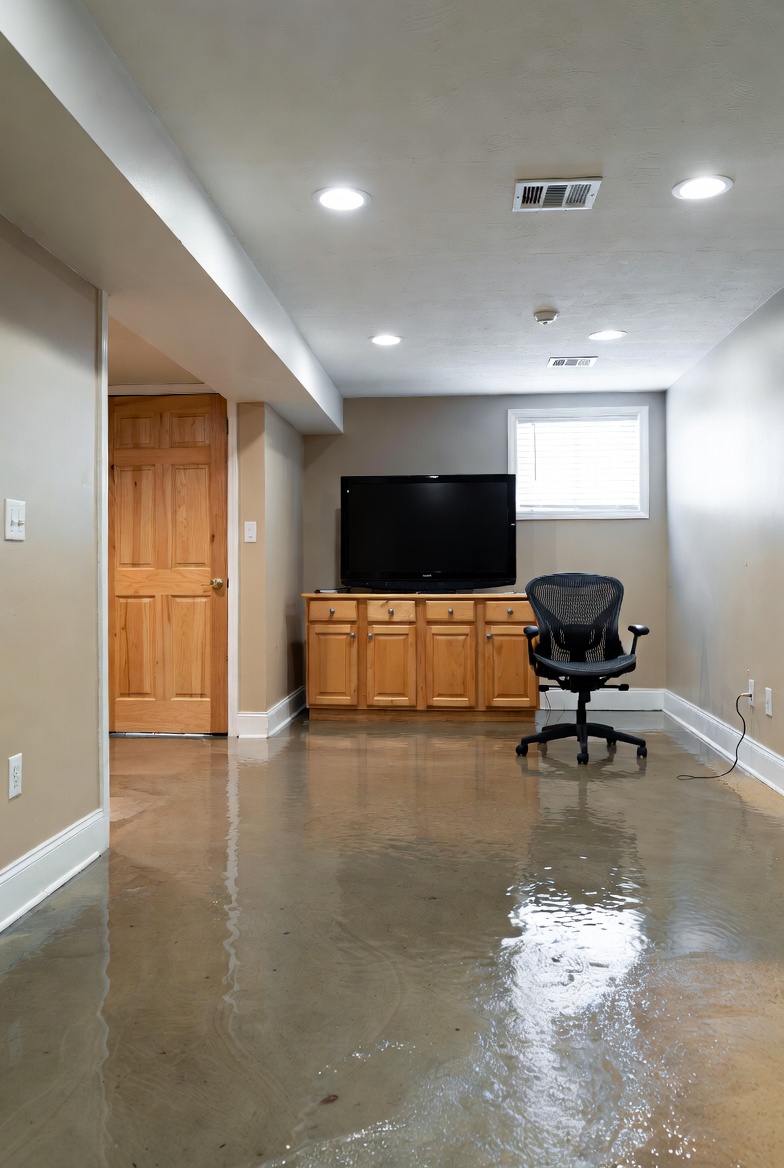
Quick Answer:
After the city restores water, you may see standing water or surges in a floor drain. Often this is caused by pressure swings or trapped air in the pipes, not an immediate full sewer failure. Follow a few careful checks to confirm whether this is temporary or a sign of a sewer problem that needs a plumber.
Why This Happens
- When large sections of the municipal system lose pressure and then regain it, water and air move through your plumbing in unusual ways. That can push water up drains or cause gurgling as trapped air escapes.
- A partial blockage in the sewer or a clogged vent pipe can make the surge worse, so small standing pools may appear at low drains or the exterior cleanout.
- Utility work can also introduce sediment or briefly change flow direction, producing temporary backup until lines settle.
Step-by-Step What to Do
1. Check municipal notices first
- Look for any advisories from your water utility about boil-water orders, service-return instructions, or contamination warnings before using water or reporting a backup.
2. Prepare the area
- Clear the floor near the drain and keep pets and people away from standing water. Put down towels or a shallow pan to limit spread if the drain surges.
3. Reintroduce water slowly
- Open the main return valve slowly—crack it first, then open more over a minute—to let pressure increase gradually. Watch the floor drain closely for sudden surges or new discharge.
4. Inspect the exterior cleanout carefully
- Look at the exterior cleanout cap for visible discharge. If you need to remove the cap, do so only a little at first and stand back. If sewage appears or sprays out, close it and call a professional.
5. Listen at fixtures and test upstairs toilets
- As water comes back, listen for gurgling at sinks, tubs, and vents—gurgling can mean air or a partial blockage in the drain line.
- Flush toilets briefly upstairs while someone watches the floor drain downstairs. If flushing causes sudden surges or fresh sewage to appear, that points to a sewer-line restriction.
6. Monitor for a short period
- After the slow restart, watch for repeated surging over the next hour. A one-time surge that clears is less worrying than ongoing or worsening discharge.
- For more context or similar restarts from a private shutoff, see Standing water after turning water back on.
What Not to Do
- Avoid fully opening all valves at once after an outage. Sudden pressure can push sewage or debris through drains.
- Do not flush chemical drain cleaners into drains to force flow. They can damage pipes and create hazards if sewage is present.
- Call a pro if you notice sudden sewage backup, repeated surging at the drain, or if the utility has issued advisories about contaminated service—these are signs you should not handle alone.
When to Call a Professional
- Visible sewage in the home or coming from the exterior cleanout.
- Repeated surging at a drain after a careful slow restart, or strong sewage odors that persist.
- If municipal notices describe contamination or if city crews direct customers to contact a licensed plumber or contractor.
- If you’re unsure how to safely open or close the cleanout or main valve—don’t force fittings or remove sealed parts without experience.
Safety Notes
- Avoid contact with standing sewage. Wear gloves and boots if you must be near it and wash hands thoroughly afterward.
- If a boil-water advisory is active, don’t drink or cook with tap water until the utility says it’s safe.
- Don’t enter a flooded basement with electrical outlets submerged—shut power to the area first or wait for an electrician.
- If chemical drain cleaners were used previously, avoid mixing cleaners or stirring the wastewater; call a pro for safe handling.
Common Homeowner Questions
- Will the municipal outage itself break my sewer line?
Not usually—outages change pressure but rarely damage buried sewer pipes. Problems are more often from blockages or debris. - How long should I watch after I slowly reopen the main valve?
Monitor for at least an hour; if surging or sewage appears repeatedly, call a plumber. - Can I use a shop vacuum to remove standing water?
Only use a shop vacuum if it’s rated for wet use and you avoid contact with sewage—otherwise call a professional cleanup service.
More in this topic
For more related fixes and similar symptoms, see Standing Water in Floor Drain.