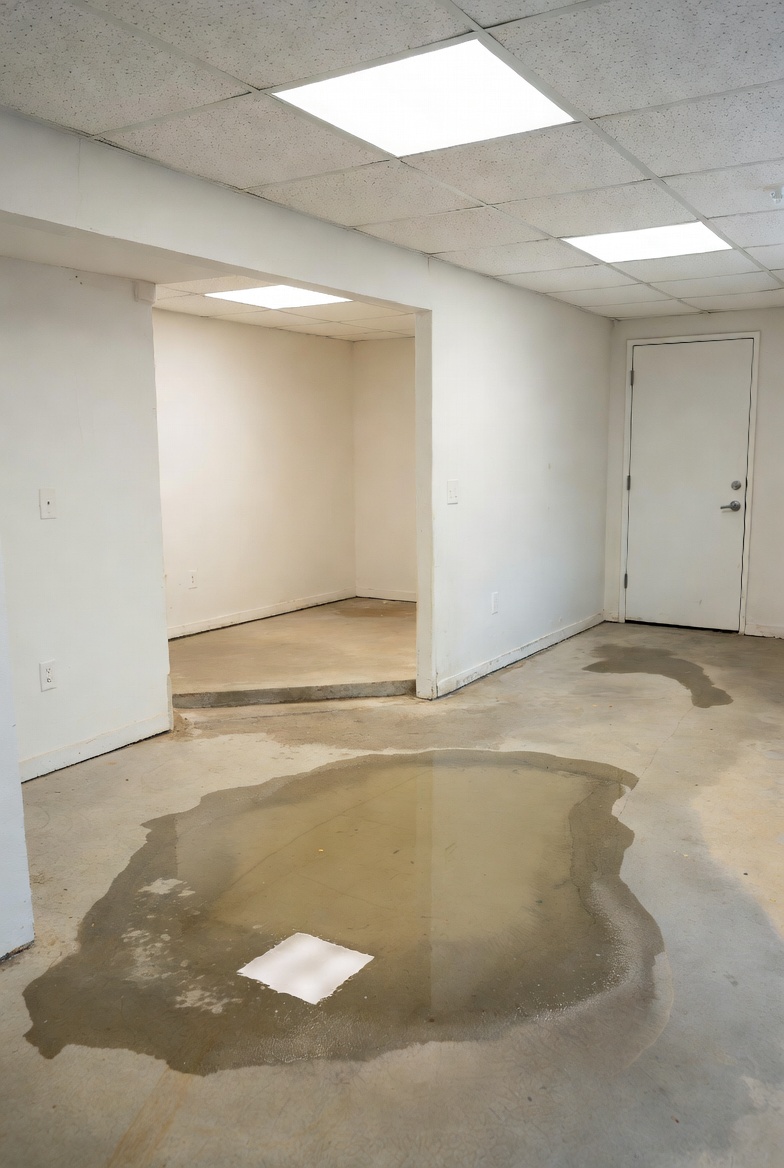
Quick Answer:
If you see standing water after restoring service, do a few careful checks before assuming a major clog. Open the main valve slowly to re-pressurize, run fixtures one at a time to purge air and loosen trapped material, inspect floor drains and vents for new debris or caps, and test the exterior cleanout to confirm flow. These steps clear most problems; call a professional if backups continue or you find unexplained material or sewer gas.
Why This Happens
When water service is restored, trapped air and loose debris that accumulated while lines were dry can move through the pipes. Rapid pressure changes can dislodge sediment, old rubber from washers, or temporary plugs used during repairs. Air pockets can also push water back out of drains until the system is re-balanced. If the issue follows a city shutdown or repair, related solids or backflow are more likely—see Standing water after city outage for a related scenario.
Step-by-Step What to Do
1. Open the main slowly to re-pressurize
- Turn the main valve open gradually, not all at once. A slow opening reduces pressure surges that can dislodge extra debris and helps control air movement in the lines.
- Listen for water hammer or odd noises; pause if something sounds wrong and reopen more slowly.
2. Run several fixtures sequentially to purge air and loosen debris
- Start at the highest fixture in the house (upstairs sink or shower) and work down to the lowest (basement sink or floor drain).
- Open each fixture fully for a minute or two until water runs steady and air sputtering stops. Doing them one after another helps carry loose debris out of each branch.
3. Check the floor drain for newly introduced sediment or rubber bits from washers
- Look into floor drains and shower drains for sand, grit, or rubber fragments—these often wash loose after repairs or when washers break down.
- If you see material, remove it with gloves and a scoop or shop vacuum set for wet pickup. Don’t push debris further down the system.
4. Inspect fixture vents for any temporary caps left on
- Check exposed vents and any visible plumbing work for temporary caps or plugs left during service. Even small caps can block vents and cause drainage issues.
- If you find a cap you didn’t put there, don’t force it—note its location and condition for a professional if needed.
5. Test the exterior cleanout to confirm downstream flow
- Locate the exterior cleanout (usually a capped pipe near the foundation or sidewalk). Carefully remove the cap and look for clear flow or standing sewage.
- If water drains freely, downstream lines are likely clear. If it backs up or has debris, stop and call a professional rather than trying to clear a main sewer blockage yourself.
What Not to Do
- Do not open the main full-force. Sudden pressure can send large amounts of debris into fixtures and damage fittings.
- Do not pour dislodged debris into other drains or try to force it through the system—this spreads the problem and can clog other branches.
- Call a pro when turning water back on results in repeated backups, unexplained debris in multiple fixtures, or continued sewer gas presence.
When to Call a Professional
- Repeated backups after following the steps above.
- Unexplained debris (sand, gravel, rubber shards) appearing in several fixtures simultaneously—this suggests a larger line issue.
- Persistent sewer gas smell, visible sewage at cleanouts, or slow drainage that does not improve after purging fixtures.
- If you’re unsure how to safely remove a cleanout cap or the main, call a licensed plumber rather than risking injury or making the problem worse.
Safety Notes
- Wear gloves and eye protection when handling debris or opening drains.
- Keep electrical devices away from standing water and do not use household vacuums on wet areas—use a wet shop vacuum only.
- If you smell strong sewer gas, ventilate the area and avoid ignition sources; persistent gas should be handled by a professional.
- Shutting off the main quickly can be necessary in an emergency, but return to the slow re-open procedure when restoring service.
Common Homeowner Questions
- Why didn’t my sinks drain when I turned the water back on? Air pockets and loose debris can temporarily block flow; running fixtures in sequence usually clears them.
- Is it safe to remove the cleanout cap myself? You can remove it if you know where it is and have proper tools, but stop and call a pro if sewage backs up or you’re unsure.
- How long should I wait before calling a plumber? If basic purging and a slow main re-open don’t clear the issue within an hour, or if multiple fixtures show debris or sewer gas persists, call a professional.
More in this topic
For more related fixes and similar symptoms, see Standing Water in Floor Drain.