Quick Answer:
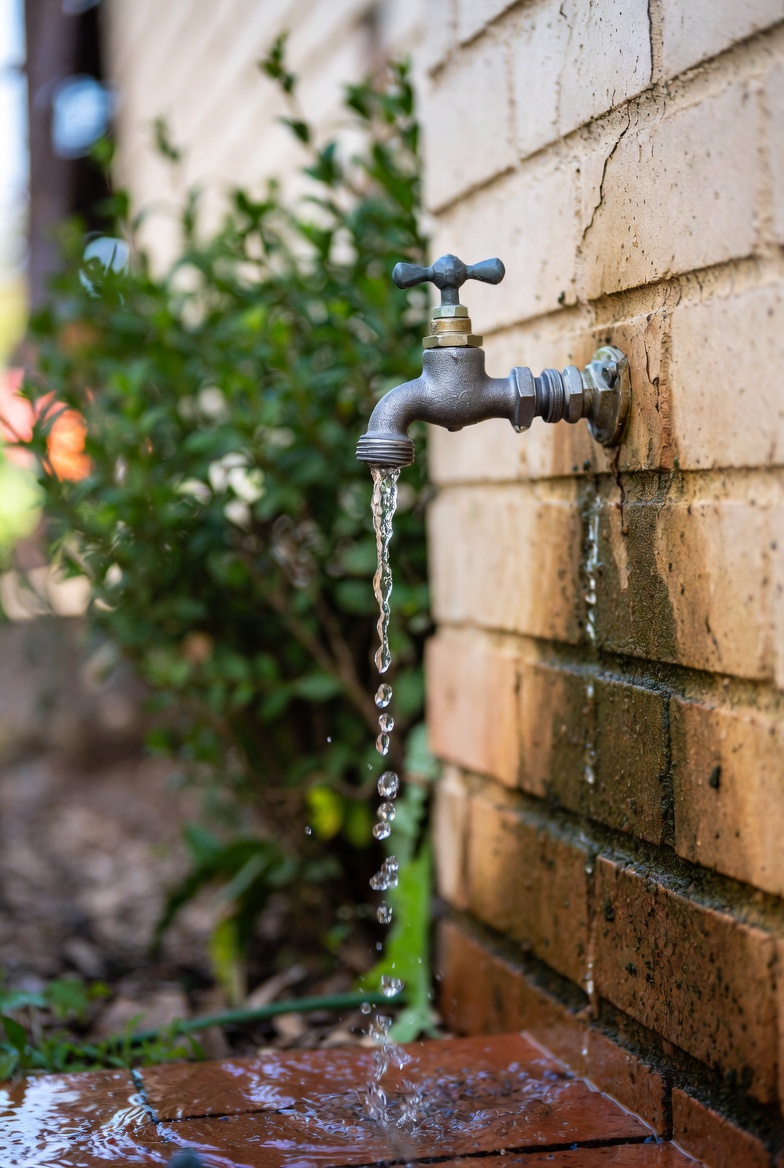
If a previously winterized outdoor faucet drips after you turn the water back on, first confirm the indoor isolation valve for the frost‑free bib is open and run the spigot briefly to see where the water is coming from. If the leak is at the stem, shut the isolation, remove the handle and inspect the stem for hairline cracks, and try tightening the packing nut. Replace the valve if you see visible freeze damage or splits in the supply pipe, and call a pro for any behind‑wall or insulation wetting.
Why This Happens
Outdoor faucets are exposed to cold and the small shifts from freezing and thawing can crack valve stems, split soldered joints, or deform the valve seat. Frost‑free bibs help by moving the shutoff point inside the house, but problems still happen when the supply line, packing, or the faucet body itself was weakened by ice or old age.
Step-by-Step What to Do
1. Confirm the indoor isolation for the frost‑free bib is open
- Locate the shutoff for that outdoor faucet—usually inside near the basement sill, garage, or utility area.
- Open it fully so you have normal water pressure at the spigot while you test. This confirms the supply is restored and rules out a closed isolation as the cause.
2. Run the spigot briefly and inspect the area
- Turn the outdoor faucet on for a short time and watch carefully for where water emerges: from the spigot body, at the wall penetration, or from under siding or decking.
- Look into the wall cavity, under eaves, or beneath the deck for wet insulation or pooling water. If water is tracking behind finishes, you may see staining or damp insulation.
- If you notice pooling under a deck or water running along framing, consider the possibility of a hidden leak; see **Leak under deck from outdoor faucet** for situations like that.
3. If the leak appears at the stem, shut the isolation before working
- Close the indoor isolation valve to stop flow to the bib and open the outdoor faucet to drain residual water.
- Remove the handle (usually a screw under a cap or through the handle) and visually inspect the stem for hairline cracks or visible damage.
4. Tighten the packing nut if leakage is coming from around the stem
- Use a wrench to tighten the packing nut a small amount—about a quarter turn—and test. Tighten in small increments to avoid damaging the stem or packing.
- If tightening stops the leak, run and cycle the spigot several times to be sure the repair is stable.
5. Replace the valve if there’s visible freeze damage
- If you see hairline cracks, a split stem, a warped valve body, or evidence that ice damaged the valve seat, replace the spigot or the entire frost‑free bib assembly.
- Replacement is the safe option when parts are cracked or soldered joints are split; temporary fixes often fail again once pressure is restored.
What Not to Do
- Avoid assuming old packing will reseal itself after a thaw. Packing degrades and often needs replacement.
- Do not just re‑wrap the exterior with tape or insulation and call the problem solved. That masks damage and can allow hidden leaks to worsen.
- Call a professional when you find split pipe sections, water inside insulation, or suspected damage behind siding—these require access and repairs you may not be able to do safely or effectively yourself.
When to Call a Professional
- If you find split copper or plastic supply sections, significant water inside wall insulation, or evidence that water is entering behind siding, stop and call a licensed plumber to avoid mold and structural damage. If the problem looks like a case of a **Spigot sprays water under siding**, get expert help right away.
- Also call a pro if you cannot isolate the water, cannot stop the leak with reasonable steps, or if the valve is soldered in a location you cannot safely access.
Safety Notes
- Before doing any repair, shut off the indoor isolation valve and drain the outdoor line to avoid unexpected sprays.
- Protect electrical components nearby and avoid working in wet conditions that could create hazards.
- Wear gloves and eye protection when removing parts, and do not use open flame to thaw pipes—use warm water or a hair dryer on low if needed and safe to do so.
- If you suspect mold, structural wetting, or a large hidden leak, stop and call a professional to reduce health and property risks.
Common Homeowner Questions
- Why did it only start dripping after I turned the water back on? Small freeze damage or degraded packing can hold until pressure is restored; the added pressure reveals the leak.
- Can I fix a hairline crack in the stem myself? If minor and accessible, replacing the stem or the valve is straightforward for a confident DIYer; if the stem is cracked, replacement is the reliable fix.
- Will tightening the packing nut always stop the leak? Tightening can stop leaks caused by loose packing, but it won’t help if the stem or valve body is cracked—those need replacement.
More in this topic
For more related fixes and similar symptoms, see Outdoor Spigot Leaks Under Load.