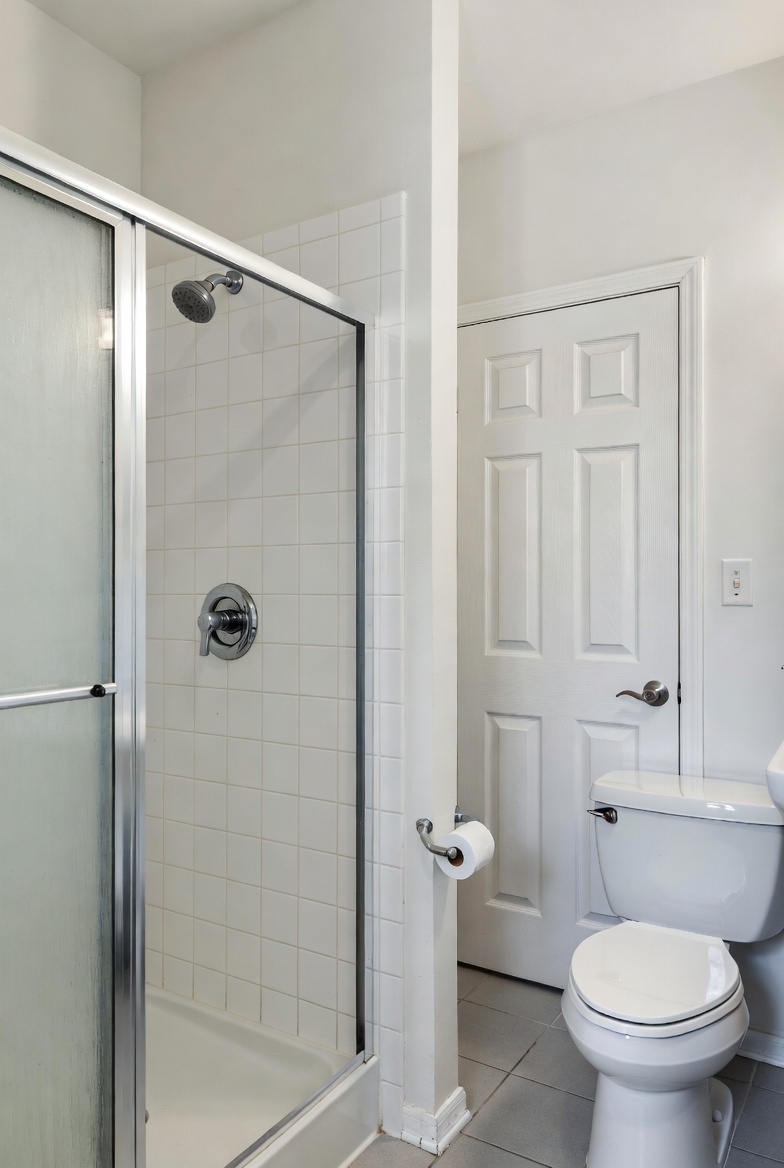
If your toilet is taking noticeably longer to refill, this hub helps you narrow the likely causes and points you to short, focused articles for the specific situation. Read the brief descriptions to pick the scenario that matches what you see — time of day, recent work or device changes, or connections to other appliances. For broader topics about fill valves, flush behavior and bowl dynamics, see the related category link below.
Toilet Fill, Flush & Bowl Dynamics
Common slow-refill patterns
These pieces cover everyday symptoms you can observe without tools, and how to interpret them to guide next steps.
- Toilet refills slowly
General troubleshooting for a toilet that just seems sluggish to refill, including quick checks for valves, debris, and low pressure. Useful when the problem is steady rather than linked to a recent event.
- Tank takes forever to fill
Targets cases where fill time is extreme and persistent; explains how to measure flow and spot a failing fill valve or a large restriction. Includes simple tests you can do without dismantling anything.
- Slow refill only at night
Explains why nighttime slowdowns often point to municipal pressure changes, shared demand, or pressure-reducing devices. Advises on confirming the pattern and when to contact the water utility.
- Tank refills slowly when house quiet
Describes issues that show up when other fixtures aren’t running, such as check valves, pressure regulators, or small leaks that only affect low-flow conditions. Helps you rule out sounds versus real flow loss.
- Slow refill worsens over time
Covers progressive declines in refill rate that often mean internal valve wear, mineral buildup, or slow clogging in supply lines. Suggests when replacement is more effective than repeated cleaning.
After repairs, outages, or seasonal work
These articles focus on slow refills that started after a specific event like a repair, shutoff, outage, remodel, or winterization.
- Slow refill after plumbing repair
Guidance for slow refills that begin right after someone worked on your plumbing, highlighting common causes such as partially closed shutoffs, trapped air, or dislodged debris. Shows quick checks to ask the plumber about.
- Slow refill after turning water back on
Focuses on issues that appear after water is restored, like sediment and air in lines or a partially opened main valve. Includes steps to flush lines and confirm full valve opening.
- Toilet fills slow after city outage
Explains how city outages and shutdowns can leave sediment or pressure changes that slow refills, and when to wait versus when to flush or call the utility. Also covers safety checks for discolored water.
- Slow refill after winterization
Addresses slow flow after blowing out or winterizing lines, which can leave trapped debris or closed valves. Describes how to methodically reopen and clear supply lines.
- Slow refill after remodel
Looks at slow refill that starts after remodeling work, where supply routing changes, new shutoffs, or contamination from construction are common causes. Advises on what to check with contractors.
Problems tied to new parts or devices
If the slow refill began after installing a valve, filter, or smart device, these articles help identify whether the new component or its setup is the issue.
- Tank refills slow after replacing fill valve
Explains mistakes and fit issues when a new fill valve restricts flow or is set too low. Covers adjustment, correct parts, and diagnosing manufacturing defects.
- Slow refill after installing smart shutoff
Covers smart shutoff devices that limit flow or throttle pressure for safety; explains how to test the device and adjust settings or bypass temporarily to confirm it’s the cause.
- Tank refills slowly after filter install
Describes how point-of-entry or point-of-use filters can introduce restrictions, especially if clogged or undersized. Suggests checking filter flow specs and pre-filtering options.
- Slow refill after PRV replacement
Explains that a new pressure-reducing valve (PRV) may be set too low or need adjustment, and how to confirm if the PRV is limiting toilet flow. Includes simple pressure checks to perform.
Location, appliances, and pressure interactions
These articles look at slow refills that only happen in certain parts of the house or when other appliances are running, which points to pressure balance or shared piping issues.
- Tank refills slowly upstairs only
Targets upstairs toilets where elevation, branch lines, or local shutoffs cause lower flow. Advises on checking shutoffs, line size, and whether a regulator feed is involved.
- Slow refill only when washer runs
Explains how washer cycles create temporary pressure drops that can slow toilet refill, and suggests solutions like larger supply lines or pressure-balancing fixes. Includes quick tests to confirm the correlation.
- Slow refill only on hot water side
Looks at toilets using a hot water supply or mixed valves and how hot-side restrictions, mixer valves, or leaving the cold closed cause slow refill. Recommends isolating hot and cold to test.
- Slow refill after pressure change
Explains behavior after a change in system pressure, such as municipal adjustments or PRV tweaks, and how to determine if the pressure itself or a valve setting needs attention.
All Articles in This Cluster
- Toilet refills slowly
- Tank takes forever to fill
- Slow refill after plumbing repair
- Slow refill only at night
- Toilet fills slow after city outage
- Slow refill after winterization
- Tank refills slowly upstairs only
- Slow refill after pressure change
- Slow refill only when washer runs
- Tank refills slow after replacing fill valve
- Slow refill after installing smart shutoff
- Slow refill only on hot water side
- Slow refill after remodel
- Tank refills slowly after filter install
- Slow refill after turning water back on
- Slow refill after PRV replacement
- Tank refills slowly when house quiet
- Slow refill worsens over time