Quick Answer:
If your sink slows right after shaving, hair and shaving residue often collect in the curved trap under the sink. Start by clearing visible hair from the drain and then remove the trap to check for a hair mat. Most slow drains from shaving are fixable with basic tools and a little time.
Why This Happens
- Short hair from shaving is small but tends to clump and stick to soap scum and oils. Those clumps can form a mat in the trap or in the tailpiece just below the drain.
- The trap (P-trap) is designed to hold water and it naturally collects solids. When hair gathers there it slows flow until the blockage is cleared.
- If the sink behavior changes over time—sometimes slow then faster—or other fixtures are unaffected, the issue is usually local to the sink drain. See Bathroom sink drains slow then speeds up for related behavior and troubleshooting steps.
Step-by-Step What to Do
Step 1 — Clear the drain opening
- Remove any visible hair from the sink strainer or stopper. Use paper towel or disposable gloves to pull out clumps.
- Run a little warm water to see if flow improves before taking the trap apart.
Step 2 — Prepare the area
- Place a bucket under the P-trap to catch water. Have a towel handy for spills.
- Wear gloves. Use slip-joint pliers if the trap nuts are tight, but try to hand-loosen first.
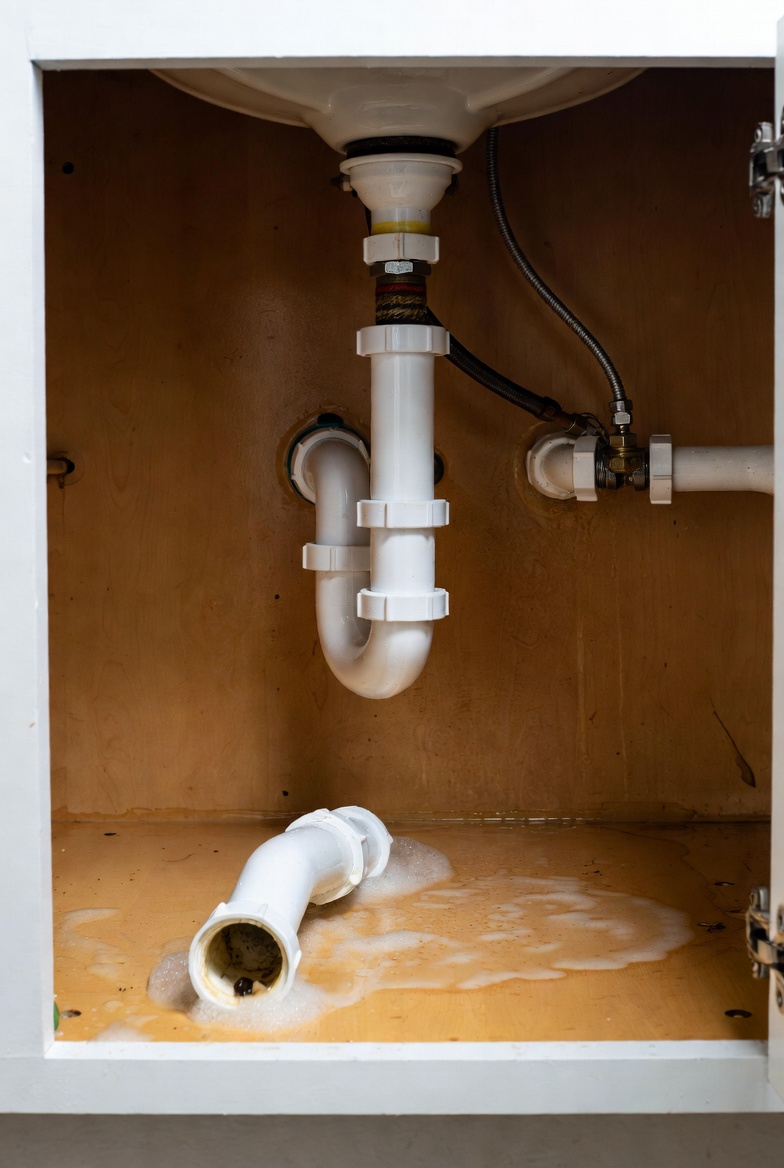
Step 3 — Remove trap and check for hair mat
- Unscrew the slip nuts on each end of the P-trap and lower it into the bucket.
- Look inside the trap and the tailpiece for a hair mat. If present, remove it by hand or with a small brush and dispose of it in the trash.
- Rinse the trap and reassemble. Tighten the slip nuts by hand, then snug with pliers—do not overtighten.
Step 4 — Test and finish
- Run hot tap water for a minute to flush remaining small debris. Check under the sink for leaks.
- If flow is still slow, you can check further up the drain or repeat cleaning. For persistent partial clogs, a short plastic drain snake is safer than metal tools.
What Not to Do
- Do not push hair deeper with tools. That can move the blockage into the building drain and make it harder to remove.
- Avoid using metal coat hangers or sharp objects that can damage pipes or scratch finishes.
- Don’t mix chemical drain cleaners with other cleaners or use them if you plan to open the trap—chemicals can splash and cause burns or damage plumbing parts.
When to Call a Professional
- The sink remains slow after you remove the trap and clear visible debris.
- Multiple drains in the house are slow or backing up—this suggests a main-line problem.
- You find corroded or cracked pipes, persistent leaks, or you’re uncomfortable disassembling the trap.
- If you want a longer-term fix, a plumber can inspect vents and deeper drain lines to prevent repeat clogs. See also Bathroom sink slow but shower fine for related troubleshooting when other fixtures behave differently.
Safety Notes
- Wear gloves to avoid contact with sewage or cleaning residues.
- Use eye protection if you expect splashing or are working with tools under the sink.
- If you’ve used drain chemicals, ventilate the area and wait before opening the trap. Chemical exposure can be hazardous.
Common Homeowner Questions
- Q: How long should removing the trap take?
A: About 10–20 minutes for a simple inspection and clean. - Q: Can I use boiling water to clear shaving hair?
A: Warm tap water helps; boiling water risks damaging plastic traps, so avoid it on PVC plumbing. - Q: Will a hair catcher prevent this?
A: Yes—screen strainers or small drain guards catch hair before it reaches the trap and reduce clogs.