Quick Answer:
If the first dishwasher drain after turning water back on fills the sink, don’t panic. Most often the sink trap was drained for winter and needs to be refilled, or the dishwasher’s drain needs a short run/cancel cycle to re-establish normal flow. Refill the sink trap and run the sink first, then test the dishwasher with a short drain cycle before a full wash.
Why This Happens
- During winterization the P-trap and drain lines are often emptied or treated with antifreeze, so there’s no water seal to accept discharged flow. That allows dishwasher discharge to back up into the sink bowl.
- Air pockets and trapped air in the drain line can change how water flows right after system startup.
- If a partial freeze or small clog exists, the dishwasher’s pump may push water into the path of least resistance — the sink — until normal flow is re-established.
- Some dishwasher drain arrangements and check valves can create gurgling or backup behavior — see Dishwasher causes kitchen sink gurgling for related patterns to watch for.
Step-by-Step What to Do
Step 1 — Turn the water on and check the supply
- Open the main and the local shutoffs slowly. Listen for leaks and watch exposed joints for drips.
- Make sure the dishwasher and sink supply valves are both open.
Step 2 — Refill the sink trap and run the sink first
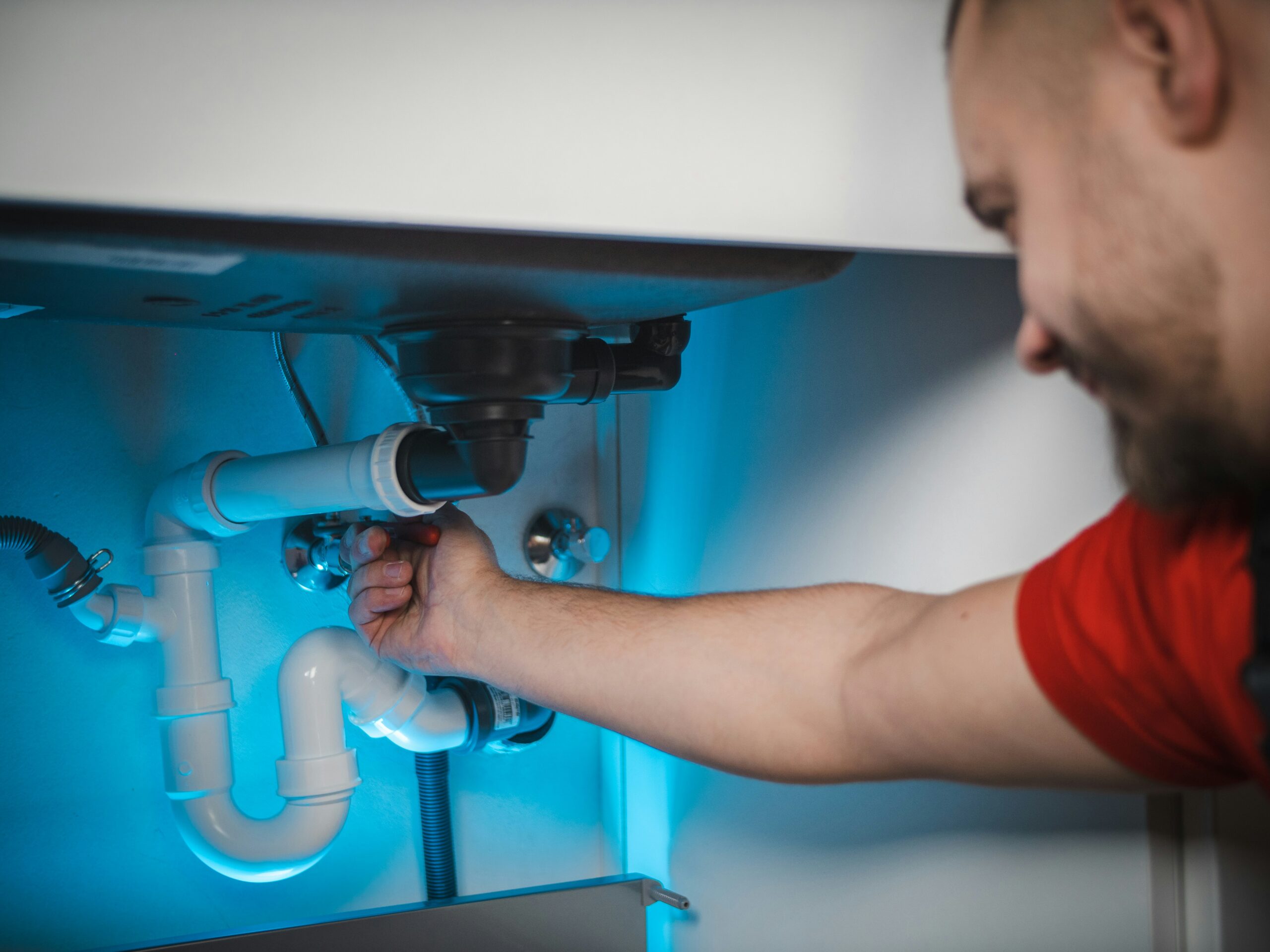
- Run the faucet over the sink until the bowl is full and water is flowing down the drain steadily. That refills the P-trap and restores the water seal that prevents backflow into the bowl.
- Let the sink drain fully and watch for slow drainage or bubbles that can indicate a partial blockage or trapped air.
Step 3 — Test with a short dishwasher drain/cancel cycle
- Use the dishwasher’s drain or cancel/drain setting (a short cycle) to push a small amount of water through the discharge line. This often clears trapped air and lets you watch how the sink and drain behave under actual dishwasher load.
- If the sink still fills, repeat the short drain cycle once more after confirming the trap was refilled.
Step 4 — Observe and troubleshoot further if needed
- If flow normalizes, run a normal dishwasher cycle. If the problem returns, note whether the backup happens only during long cycles or aggressive pump phases.
- If backups persist, consider checking the dishwasher drain hose routing, high loop or air gap, and any visible clogs at the sink tailpiece or garbage disposal connection.
What Not to Do
- Do not run the dishwasher right away after winterization without refilling traps and checking for freeze damage.
- Do not rely only on a full wash cycle to diagnose the problem; start with the short drain/cancel test.
- Avoid pouring large amounts of chemical drain cleaner into a recently thawed system — if pipes are damaged, chemicals can make the situation worse.
When to Call a Professional
- Call a plumber if, after refilling traps and running a short drain cycle, the sink still fills or drainage remains very slow.
- If you find signs of frozen or burst pipes, significant leaks, or if the dishwasher repeatedly forces water into the sink, get professional help to inspect the line and any check valves.
- If you’re not comfortable locating shutoffs, refilling traps, or running the dishwasher’s drain cycle, a pro can complete those steps safely and check for hidden damage.
Safety Notes
- If you see active leaks or suspect a burst pipe, turn the water off at the main and call for repairs. Water damage can escalate quickly.
- Be cautious opening cabinets with antifreeze residue from winterization; use gloves and ventilate the area if needed.
- Do not heat-seal or stop-gap damaged pipes yourself without proper materials and knowledge — temporary fixes can fail and cause flooding.
Common Homeowner Questions
- Why did this start only after winterization?
Because traps were drained and air or antifreeze was left in lines; refilling the trap restores the seal. - How long should I run the drain/cancel cycle?
A single short drain or cancel cycle (typically a few minutes) is enough to test flow; repeat once if needed. - Is it the dishwasher or the drain line?
If backups happen only when the machine runs for long, it may indicate a flow issue in the drain line or disposal — see Backup only when dishwasher runs long for more on that pattern.