Quick Answer:
If your sink is draining more slowly right after a repair, it may be a minor blockage, a misaligned trap, or an air/vent issue rather than a major failure. Start with a quick comparison of drain speed, check visible connections and the P-trap, and clear any debris. If those checks don’t help, call a plumber.
Why This Happens
Common reasons for slower drainage immediately after drain work include:
- Debris left in the tailpiece or trap during reassembly (hair, putty, or small bits of packing).
- P-trap not seated or aligned, causing a partial restriction.
- Air trapped in the drain line or a vent that was disturbed, restricting flow.
- New fittings with smaller internal openings or a misinstalled washer or nut.
- Work upstream pushed sludge or scale further into the line, creating a new blockage.
Also check for related problems you may not notice right away, such as a small leak that indicates a loose connection — see Sink leaks after drain work for what to watch for.
Step-by-Step What to Do
1. Compare drain speed
If you can, remember or test how fast the sink drained before the repair. Pour a measured amount of water (for example, a full sink basin) and time how long it takes to clear now. That comparison helps decide if the change is small or significant.
2. Check the stopper and strainer
- Remove the sink stopper or strainer and clear any hair or debris.
- Run water briefly without the stopper to see if flow improves — this rules out a stopper obstruction.
3. Inspect visible connections
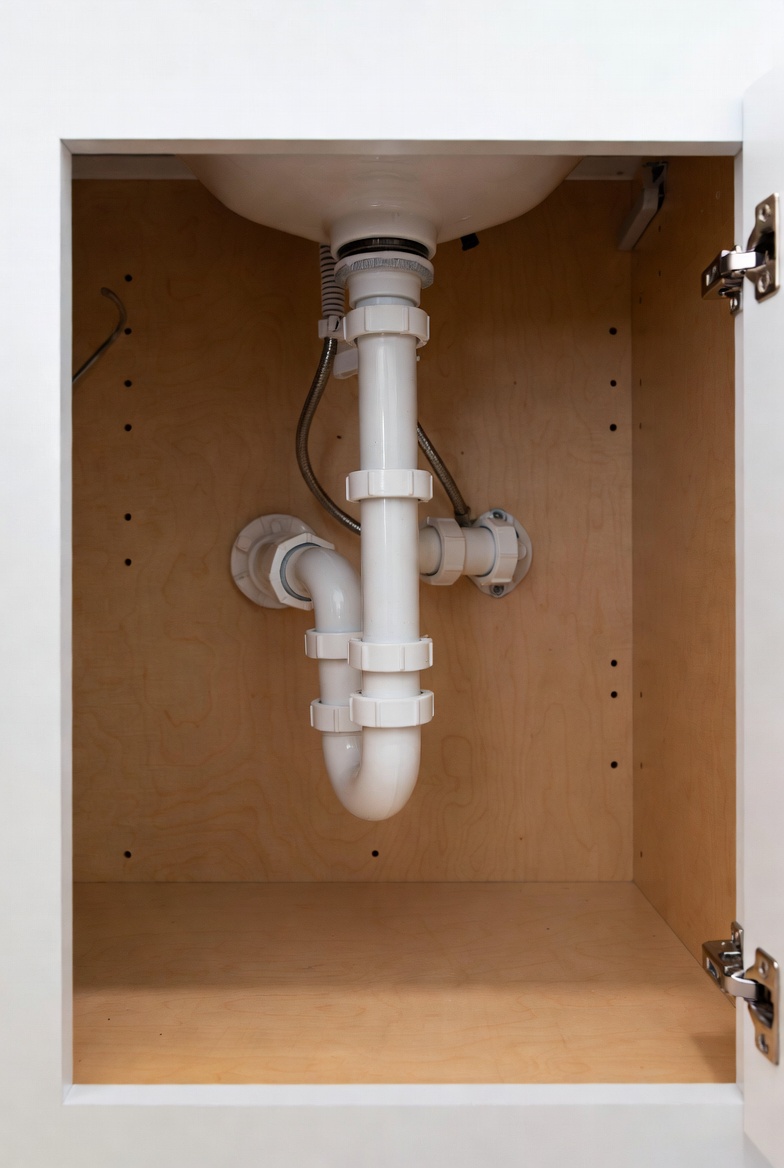
- Look under the sink at the tailpiece and P-trap. Make sure nuts are snug and the trap is aligned, not twisted or crushed.
- Place a shallow bucket under the trap to catch drips before loosening anything.
4. Remove and check the P-trap
- With a bucket beneath, loosen the slip nuts and remove the trap. Check for clogs and rinse it out.
- Reassemble carefully, ensuring washers are seated and nuts hand-tightened plus a quarter turn — avoid overtightening.
5. Test for venting or deeper blockages
- Run a large volume of water from the sink and an adjacent fixture (if available). If nearby fixtures back up or the sink gurgles, the problem may be a vent or main line issue.
- If you hear bubbling or see slow drainage in more than one fixture, that points away from a local trap issue.
6. Use safe clearing methods
- Try a plumber’s snake or hand auger for a short reach after removing the trap; only use powered tools if you are comfortable with them.
- A few flushes of hot water often help clear grease or soap residue; avoid repeated strong chemical drain cleaners as they can damage pipes and seals.
What Not to Do
- Do not assume slower drainage is normal after repair.
- Don’t overtighten fittings to “fix” a leak — that can crack plastic parts or strip threads.
- Avoid pouring strong chemical drain cleaners down the sink; they can corrode pipes and harm skin or eyes.
- Don’t ignore persistent odors, leaks, or gurgling — these are signs the issue may worsen.
When to Call a Professional
Call a licensed plumber if:
- Drainage doesn’t improve after clearing the P-trap and checking connections.
- Multiple fixtures are slow or you notice sewer smell or backups — these suggest a main line or vent problem.
- You find a leak you can’t safely stop or the repair work involved unfamiliar fittings. If you hear persistent bubbling or unusual noises, especially, get help. For issues where noise or post-repair drainage problems suggest a larger system issue, check guidance on Sink gurgles after repair.
Safety Notes
- Always shut off water to the fixture if you need to disconnect parts that could let water flow. For most sink trap work you can simply use a bucket to catch leaks, but know where the shutoff valves are.
- Wear gloves and eye protection when working under the sink. Old trap water can be dirty and contain bacteria.
- Do not mix chemical cleaners. If any chemical products were used, ventilate the area and follow product safety instructions before working on the pipes.
Common Homeowner Questions
- Why did the sink get worse right after the repair? Small debris or a misaligned trap is the most common cause; a vent or main line issue is less common but possible.
- Can I fix it myself? Yes for many cases: clear the stopper, remove and clean the P-trap, and recheck connections. Stop and call a pro if multiple fixtures are affected or you’re unsure.
- Will chemical drain cleaners help right away? They sometimes clear soft clogs but can damage pipes and seals; try mechanical clearing (snakes, removing trap) first.