Quick Answer:
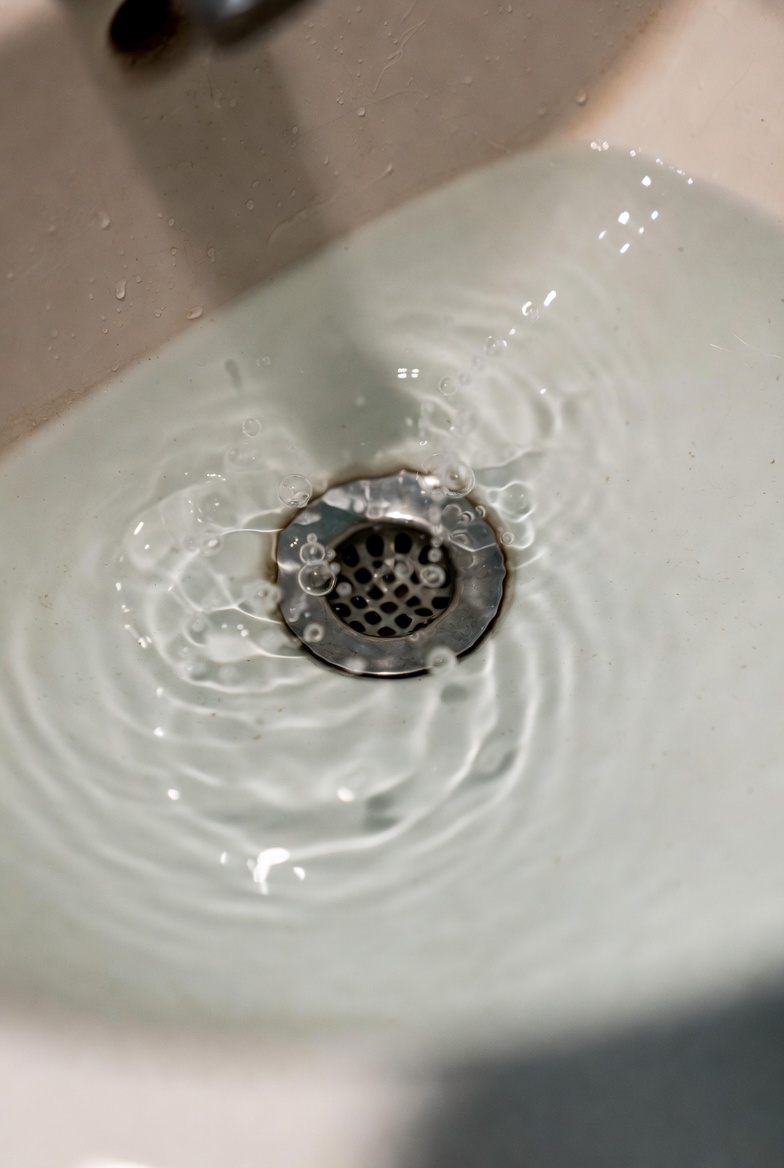
If you see air push water back up the drain, don’t panic. Small air bursts at the drain opening often mean a partial blockage or a venting issue that’s changing the air pressure in the pipe. Watch for bubbles and pressure bursts at the drain opening as you run water — that observation helps narrow the cause. In many cases you can troubleshoot safely; if you smell sewage, see repeated backups, or other fixtures are affected, call a plumber.
Why This Happens
Plumbing drains rely on gravity and a vent system to keep water flowing and to let air move in and out of the pipes. When air is trapped or pushed down the drain, it can force partially filled traps to spurt water back up. Common causes include:
- Partial blockages in the drain line or main sewer that trap air pockets.
- Blocked or restricted vent stacks on the roof that prevent normal air flow.
- Strong surges from other fixtures (washing machines, toilets) sending pressure through shared lines.
Step-by-Step What to Do
1. Observe carefully
Run the sink slowly and watch the drain opening. Watch for bubbles and pressure bursts at the drain opening. Note when it happens (only when other fixtures run, only during use, or randomly). Record whether it happens with hot or cold water and whether it’s constant or intermittent.
2. Check nearby fixtures
Turn on or run other nearby fixtures one at a time (toilet, shower, washing machine) and watch the drain. If the air bursts line up with another appliance, the issue may be a shared line or a blockage farther down the system. If it happens only while you’re using the sink, see the bolded reference below for related troubleshooting: Bathroom sink stops draining miduse.
3. Clear the trap and the immediate drain
Place a bucket under the P‑trap and remove it to clear hair and gunk. Clean the trap and reassemble it. Test the sink again. If the spitting stops, the problem was in the trap or immediate drain. If it continues, the blockage is deeper.
4. Use a plunger or hand auger carefully
Try a sink plunger first (seal overflow if present) to dislodge a near clog. If that fails, use a hand auger (plumber’s snake) designed for sinks to reach further down the drain. Don’t force tools if you hit major resistance — forcing can damage pipes.
5. Check vents if accessible
If safe to do so, inspect the roof vent for obvious blockages (leaves, bird nests). Do not climb on a steep roof or attempt this in bad weather. A capped or blocked vent can cause air pressure problems that push water back up.
6. Test and monitor
After each step, run water and watch the drain for air bursts. Also test other fixtures. If the problem is intermittent or unpredictable, keep a short log of what you ran and when the bursts happened—this helps a professional diagnose the issue.
What Not to Do
- Do not ignore air bursts that push water upward.
- Do not pour large amounts of chemical drain cleaner into a system that may have a blockage or pressure issue—these chemicals can be hazardous and may not fix the root cause.
- Do not use compressed air or shop vacs on sewer lines; high pressure can damage pipes or push material farther into the system.
If you find the sink behavior is related to other sinks or an unpredictable pattern, avoid further DIY attempts that could worsen a hidden mainline clog.
When to Call a Professional
- Frequent or violent air bursts that push water into the basin.
- Multiple fixtures backing up or slow drains throughout the house.
- Foul sewage smell, sewage backup, or standing water that won’t clear.
- If you suspect a roof vent is blocked but cannot safely inspect it yourself.
A licensed plumber can run a camera inspection, test venting, and clear or repair deeper blockages safely.
Safety Notes
- Wear gloves and eye protection when removing the P‑trap or using a snake.
- Turn off water sources and place a bucket under the trap before opening it.
- Avoid mixing chemical drain cleaners with other products; fumes can be harmful and sewer lines can react unpredictably.
- Don’t climb onto roofs in unsafe conditions. Call a pro for vent work if you’re unsure.
Common Homeowner Questions
- Why am I seeing bubbles only sometimes? Partial blockages or intermittent vent restriction let air through only at certain times, so the behavior can be sporadic.
- Can I wait and see if it goes away? If bursts are mild and infrequent, monitor closely—but don’t ignore worsening signs like smells or backups.
- Could a plumber fix this quickly? Often yes; a camera inspection and targeted clearing usually identify and fix the source within a single service visit.
If the issue recurs or you notice other signs like slow drains in other areas, consider a professional inspection. For related issues that appear in different patterns, consult the bolded guidance: Sink stops draining randomly.