Quick Answer:
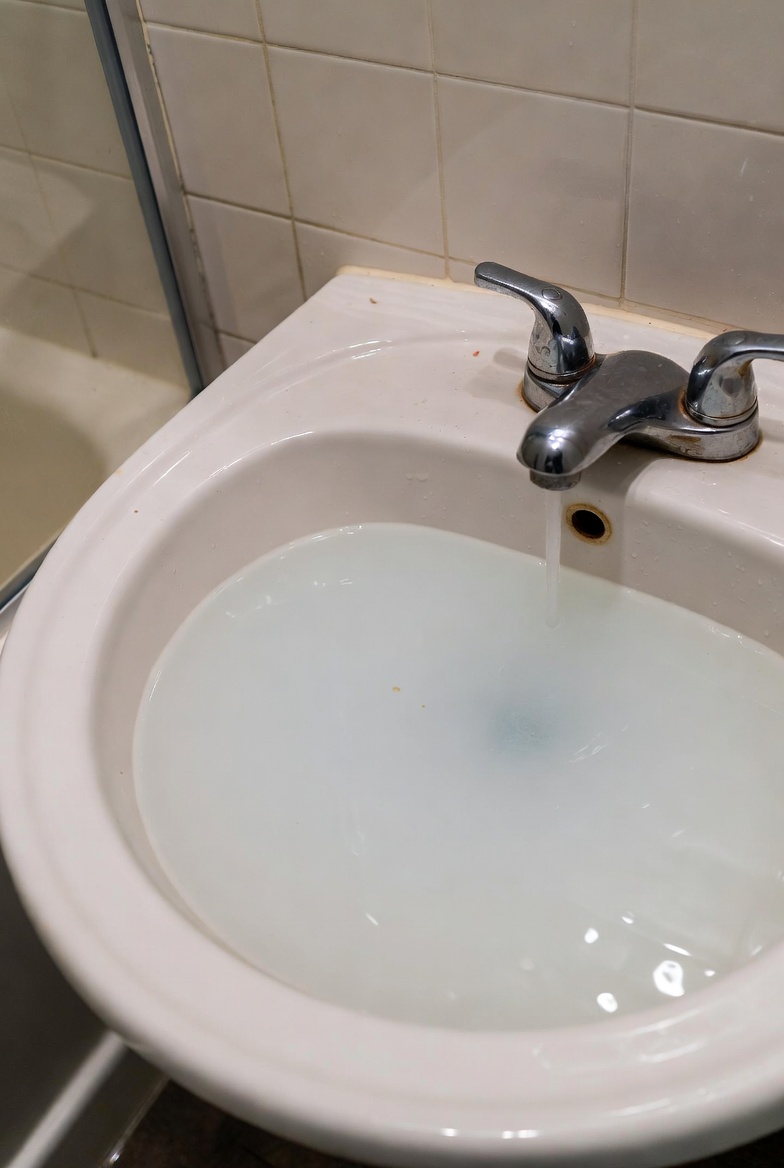
If a sink runs normally and then suddenly clogs, the cause is usually a partial blockage or something shifted in the trap or stopper assembly. A quick test helps confirm this: run water, stop, then inspect the trap for an immediate refill. Many times clearing or reseating the trap or stopper fixes it quickly; sometimes the problem needs a pro.
Why This Happens
- Partial blockages: Hair, grease, soap and small debris can hang just below the outlet and let water pass until enough builds up to stop flow.
- Shifting stopper or trap: A pop-up stopper or the trap (P-trap) can move or seal differently after water flow, causing the drain to suddenly stop. This is similar to the situation described as Drain stops after running water.
- Air and vent issues: If the venting is restricted, the drain may flow until a pressure change prevents continued drainage.
- Foreign objects: Small items sometimes become lodged where you can’t see them without removing the trap.
Step-by-Step What to Do
1. Reproduce the problem
Turn on the faucet and let the sink run until you see normal drainage. Stop the water flow and watch what happens next. This simple run–stop–watch test (run water, stop, then inspect trap for immediate refill) tells you whether the trap or stopper is refilling immediately.
2. Check the visible stopper and basket
Remove the stopper or lift the sink basket and look down the drain. If you see debris, remove it with gloves or a small tool. If the stopper is loose or sits unevenly, reseat it and test again.
3. Try a plunger
Use a sink plunger (block the other outlet if a double sink) and plunge gently at first, then with more force if needed. If the sink drains until something settles again, you may have a partial clog further down.
4. Remove and inspect the P-trap
Place a bucket underneath, loosen the slip nuts with pliers, and remove the trap. Empty and inspect it for hair, grease, or objects. Clean it, reassemble the trap, and test the drain. If the sink seemed to behave like Sink drains until trap fills, this step often reveals the cause.
5. If clearing the trap doesn’t help
Use a hand auger only as far as needed and avoid forcing it. If the clog is beyond the trap, a longer snake or professional service may be required.
6. Test and observe
After reassembly, run the same run–stop–watch test. If the problem is gone, monitor for recurrence. If it returns, note whether it happens with certain wastes (grease, food scraps) or after long use.
What Not to Do
- Do not ram a snake past the stopper without checking the trap. Forcing a snake can push debris farther into the drain or damage the stopper mechanism.
- Avoid pouring large amounts of chemical drain cleaner—these can damage pipes, harm you, and make messes that are harder to clean if you later need to remove the trap.
- Don’t overtighten plastic trap fittings when reassembling; that can crack threads and cause leaks.
When to Call a Professional
- Repeated clogs after a proper trap cleaning or when clogs affect multiple fixtures (sink, toilet, tub).
- Foul sewage smell, visible leaks, or slow drainage that gets worse quickly.
- If you can’t access or safely remove the trap, or if you suspect a broken pipe, tree root intrusion, or a venting problem.
Safety Notes
- Wear gloves and eye protection when working under the sink. Pipes and traps can contain standing wastewater and sharp debris.
- Turn off water and place a bucket under the trap before loosening fittings to catch spills.
- Avoid mixing chemical drain cleaners with other methods; if you’ve used chemicals, ventilate the area and consider calling a pro rather than handling the trap immediately.
Common Homeowner Questions
- Why did this start happening suddenly?
Usually a partial clog or a shifted stopper/trap that only blocks flow under certain conditions.
- Can I just use a drain cleaner to fix it?
Not recommended—chemicals can damage pipes and harm you; clean the trap first or call a pro.
- How long should I try to fix it myself before calling someone?
If you’ve removed and cleaned the trap and the sink still repeatedly clogs or multiple fixtures are affected, call a plumber.