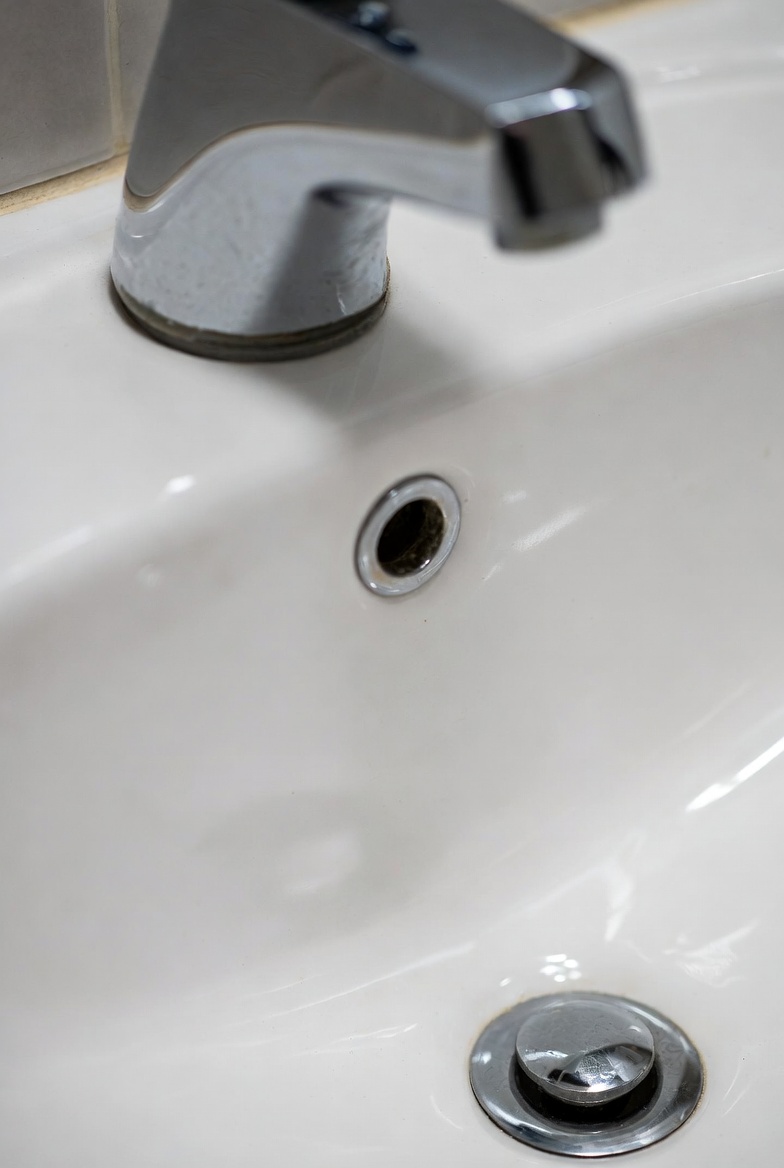
After installation of a vent device, identify the actual device and approved application before tapping, opening or replacing it. Bubbling does not prove a stuck diaphragm or a missing full vent.
For strong, widespread or unexplained gas-like fumes, exposure symptoms, or suspected high sewer-gas concentrations in an enclosed space, leave the building immediately and call the fire department or emergency services from outside. Avoid flames, switches and other ignition sources; do not remain to ventilate, sniff drains or investigate. Smell intensity does not measure the concentration. A faint localized drain odor without those warning signs calls for a different plumbing investigation; it does not automatically establish a fuel-gas leak.
If fuel gas is suspected, leave the building or affected area immediately. Do not operate valves, switches, plugs, appliances or phones there. Call the gas emergency service from a safe location well away, and wait for responders’ clearance.
Keep away from wet electrical equipment. Do not touch wet appliances, plugs or switches, or enter water to reach a breaker. When no gas leak is suspected, power may be isolated only from a safely accessible dry location; otherwise call an electrician or emergency help. Wet equipment needs qualified assessment before it is used again.
For wastewater rising from a drain or affecting several fixtures, stop adding water and keep affected appliances from discharging using only safely accessible dry controls when no gas emergency is suspected. Avoid sewage contact, keep children and pets away and arrange prompt drainage help. Notify building management or the sewer agency as appropriate. Do not run fixtures to locate a shared blockage.
Record the original event and actual path
- Actual manufacturer/model, installer record, connected fixture and permitted arrangement.
- Original sound/water return, actual accessibility and any leak or odor.
- Other effects already noticed and exact product/work history.
What the evidence means
An air-admittance valve admits air under its intended negative-pressure condition; it is not a general positive-pressure relief outlet. AAV and open-vent roles are different. Height reference, orientation, capacity and access are model/application requirements, not a universal above-flood-rim rule for every device.
Before tools or another test
If a cleaner may be present, identify the exact product and follow its label. Do not add another cleaner, acid, bleach, ammonia, vinegar or an improvised neutralizer. Do not plunge, snake or open the trap while hazardous residue may remain; tell the provider what was used. A rinse or elapsed time is not proof all residue is gone.
Keep cleanout caps closed. Do not loosen a cap to check a water level, watch a basin dump or release pressure; sewage and gas may escape. Do not climb to vents, enter pits or tanks, or use a flame to investigate an odor. Those checks need the appropriate qualified provider and controls.
What to do next
- Do not run a fixture/other-fixture comparison, pour liters to prime the trap or choose replacement from a click or the smell alone.
- Use the actual product instructions for any permitted check or service, with hazards/source controlled. Do not treat every cap as removable, apply a generic cleaner, tap or shake every valve as a universal proof.
- For example, Oatey’s Sure-Vent guidance references the horizontal branch and insulation for placement. That does not approve an unknown installation or transfer its dimensions to another device.
- Have the actual selected device, vent/drain relationship and installation assessed for recurrence or return. Do not dismantle or swap it merely because the part seems inexpensive.
Limits for ordinary local care
For an otherwise sound isolated ordinary sink restriction, intended accessible surface care or bounded plunger/serviceable-trap care may be appropriate. First exclude shared return, hazardous chemicals, fumes, unsafe electrical access and damaged or uncertain connections. Keep the faucet and every connected discharge inactive before loosening anything; account for retained basin, tailpiece and trap water and adequate containment. Identify actual stopper retention, washer/nut, engagement, support and manufacturer tightening method. Clean only intended accessible parts, capture debris outside the drain and never force glued/corroded fittings. Fully refit every connection before a small attended cool-water leak check. Never run water into a disconnected drain or during adjustment; stop for leakage, rise, movement or uncertain fit. A sound alone does not select plunging, a cable, changed geometry or a vent device.
Should every vent valve be moved above the sink’s flood rim?
Use the actual device/application requirements and local approval. A universal relocation rule cannot identify a correct design, and moving the device may not address the real condition.
Use appropriate assessment for recurrence, shared symptoms, actual return, leakage or an uncertain installed arrangement. Ask what evidence supports the proposed clearing, measurement or repair. A camera, roof visit, smoke test, pipe replacement or one-visit cure is not automatically required by the sound.
Related guides
- Gurgling From Wall Cavity: Fixture and Work History
- Bathroom sink bubbles at night
- Bathroom Sink Gurgling & Bubbling
- Bounded ordinary bathroom-sink care
Safety sources
- Wisconsin DHS: sewer-gas exposure and emergencies
- Con Edison: suspected gas leaks
- CDC: electrical hazards near water
- Madison Metropolitan Sewerage District: stop discharge and report sewer backup
- Example drain-opener label: restrictions on plunging, disposal operation and mixing
- Delta example: identifying and removing a retained sink stopper
- Oatey Sure-Vent example: actual application, height reference and service instructions