Quick Answer:
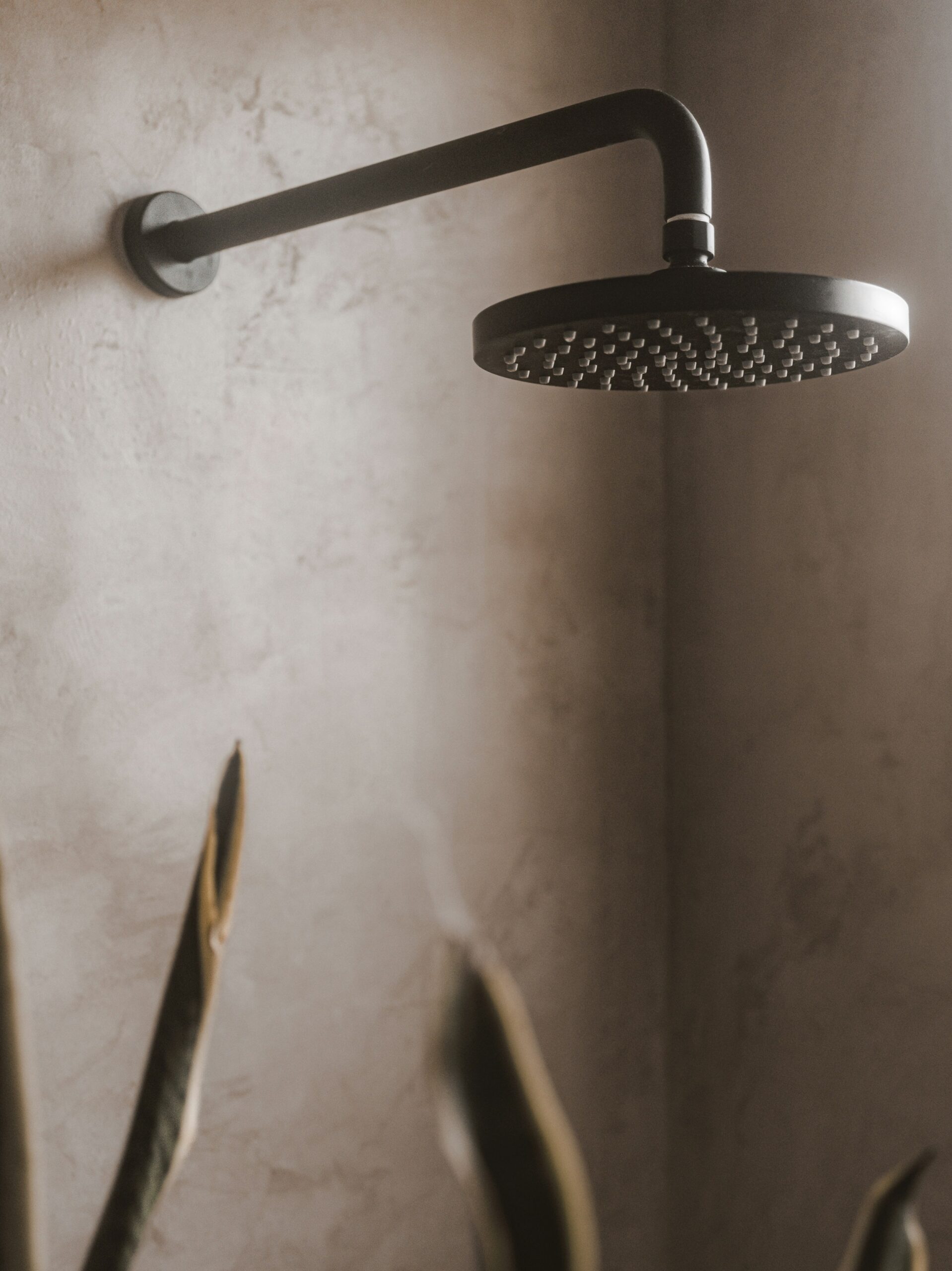
If you feel vibration when the shower runs, first stay calm — it’s usually a loose fitting, bracket, valve part, or a resonance point rather than an imminent pipe failure. Run the shower from very low to full flow while holding the fixture to find the exact flow rate where the rattle starts. Try hot-only and cold-only to see which side triggers it. If the movement seems to come from inside finished walls, stop and have a plumber locate and secure the run before opening the wall.
Why This Happens
Vibration can come from several modest issues: a loose showerhead or arm, a loose mounting bracket, a partially open valve that vibrates at certain flows, or a loose cartridge or washer. Water pressure interacting with a small gap or obstruction can create a resonance that shows up only at specific flow rates. Changes you made recently — for example adding a filter or changing a cartridge — can shift how the water flows and create new vibration. For related troubleshooting, see Vibration after installing filter and Vibrating after replacing cartridge.
Step-by-Step What to Do
1. Reproduce the symptom and listen
- Run the fixture from very low flow up to full flow slowly.
- Note the exact flow where vibration starts and stops — that helps isolate resonance versus a constant loose part.
2. Hold the fixture to feel resonance
- Carefully hold the showerhead or arm while a helper increases flow. Feeling the unit directly helps tell if the movement is in the head/arm or further back at the valve or wall.
- Don’t put excessive force on tile or trim; just enough to detect where the vibration is strongest.
3. Isolate hot versus cold
- Run hot-only, then cold-only. If vibration appears only on one side, the problem is likely in that supply line or the valve cartridge related to that side.
- If it happens on both, suspect a fixture or arm/bracket that’s common to both supplies.
4. Check visible fittings
- Look for a loose showerhead, arm, or escutcheon. You can usually snug a loose showerhead by hand and a shower arm with a gentle turn using an appropriate tool and a rag to protect finishes.
- Inspect the wall-mounted bracket or sliding bar for loose screws and tighten them gently if needed.
5. If a valve or cartridge is suspected
- If your isolation testing points to the valve, avoid forcing or overtightening internal parts. Note the symptom and consider a controlled repair or call a pro if you’re not comfortable.
6. Stop if vibration is inside the wall
- If the movement appears to originate from the wall cavity or you hear rattling behind the tile, stop and arrange for a plumber to locate and secure the pipe before cutting into finished surfaces.
What Not to Do
- Don’t overtighten cartridges or jam shims behind trim.
- If vibration is felt inside the wall cavity, let a plumber locate the pipe before opening surfaces.
When to Call a Professional
- Vibration continues at all flow rates or gets worse despite basic checks.
- You hear or feel the rattle inside the wall or ceiling, or notice any leaks or moisture.
- Repair requires removing tile, opening the wall, or replacing a valve cartridge and you aren’t comfortable doing that work yourself.
Safety Notes
- Turn off water at the shutoff or the main before working on fittings that require disassembly.
- Avoid over-torquing metal parts; that can strip threads or crack fixtures.
- Do not cut into finished walls without confirming the pipe location — accidental damage can cause leaks and expensive repairs.
Common Homeowner Questions
- What if the rattle only happens at high pressure? — It’s likely a resonance or a loose part that shows up at high flow; try reducing pressure or checking fittings, and call a plumber if it persists.
- Can I fix a vibrating cartridge myself? — Only if you’re comfortable turning off water and following the exact steps for your valve; otherwise call a professional.
- Is this dangerous? — Rarely; vibration itself is usually not immediately dangerous, but if it comes with leaks or sounds from inside a wall, get a plumber to inspect it.
For more related articles, see the Vibrating Faucets or Showerheads hub.