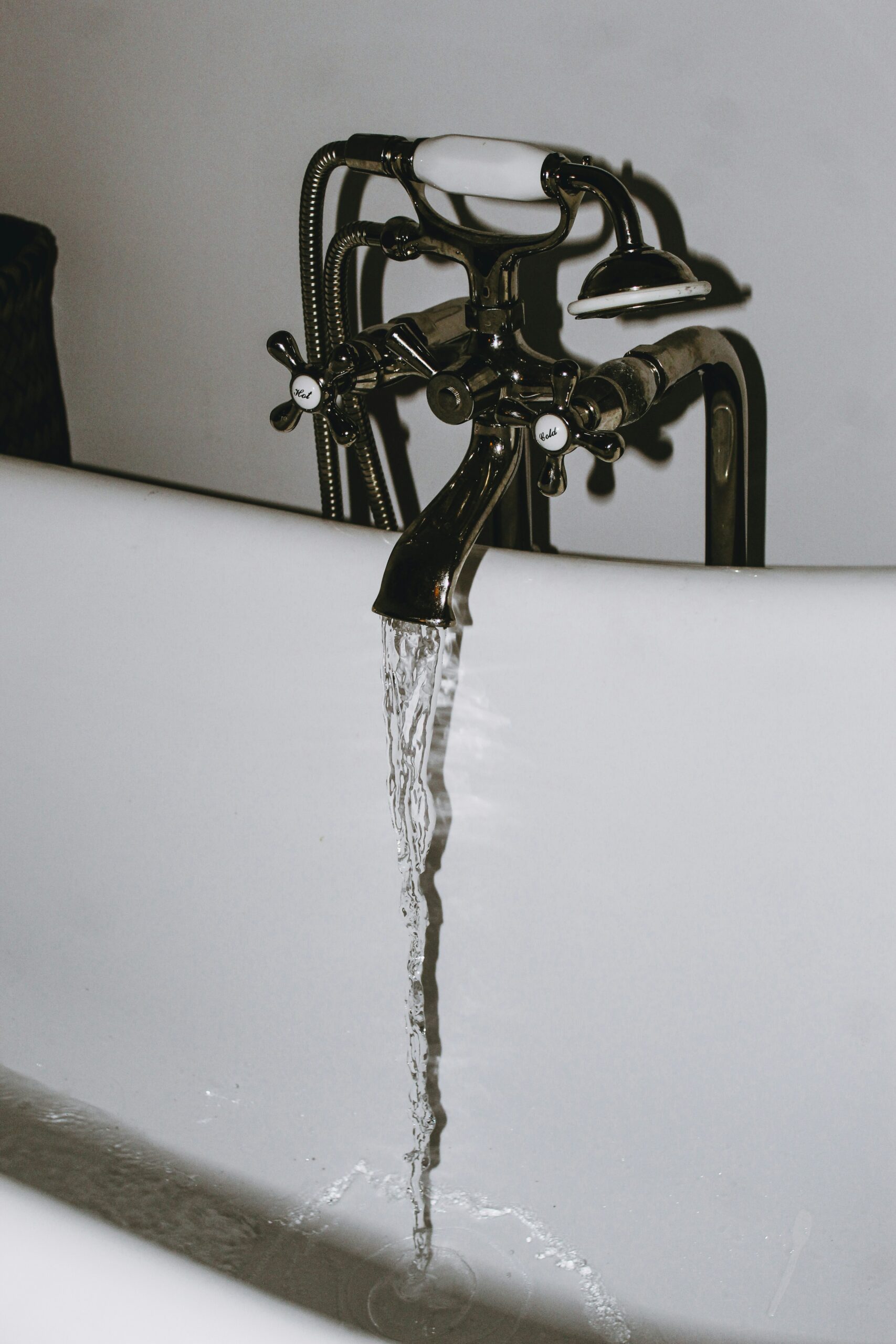
This page helps you identify and navigate articles about fixtures that shake, rattle, or hum while water is running. These symptoms often point to a restriction, a cartridge or aerator behavior, or changes in pressure and flow after repairs or equipment installs.
Air, Noise & Vibration in Pipes
Faucet and showerhead vibration symptoms
Direct shaking or rattling at the fixture during use. Start here if the movement is felt at the spout or showerhead itself.
-
Faucet vibrates when opened
Common causes include a loose cartridge, worn valve parts, or trapped air; this article walks through quick checks and what to expect from repairs.
-
Showerhead shakes under pressure
High local flow or a restricted spray face can create vibration; the article helps narrow whether the showerhead, arm, or supply is at fault.
-
Showerhead rattles during use
Rattling often signals loose fittings or internal parts rubbing; this piece explains simple fixes and when to replace components.
Flow-position clues
Vibration that changes with handle position or flow rate gives clues about restriction or resonance. Use these checks to isolate whether the valve or the outlet is the source.
-
Vibration stops when valve fully open
If vibration only appears at intermediate positions, a partially open cartridge or flow turbulence is likely; the article outlines diagnostic steps.
-
Vibrating at low flow
Low-flow-induced vibration can come from aerators, restrictors, or internal cartridge issues; this guide covers how to test and remedy it.
Hot-only, upstairs-only, or night-only patterns
Patterns tied to one water side, location, or time suggest localized piping, heater, or pressure conditions rather than the fixture itself.
-
Vibration only on hot water
Hot-side vibration may point to the water heater, check valves, or hot-side plumbing; the article lists likely causes and targeted tests.
-
Vibrating only in upstairs bathroom
Height and supply-run differences can cause resonance upstairs; this piece explains how supply routing and mounting affect vibration.
-
Faucet vibrates only at night
Night-only events often relate to pressure changes from municipal or timed appliances; the article suggests observation steps and possible pressure device checks.
After changes to parts or system
If vibration began after service or new equipment, the recent change is a strong clue. These articles focus on what to inspect when vibration follows a modification.
-
Faucet vibrates after repair
Loose fittings, misaligned parts, or leftover debris can cause new vibration; the article lists post-repair checks to rule out simple issues.
-
Vibrating after replacing cartridge
A replacement cartridge may have different flow characteristics or installation issues; this guide covers correct seating and compatibility checks.
-
Vibration after installing filter
Added restriction from a new filter or housing can introduce turbulence; the article explains testing and temporary bypass checks.
-
Showerhead vibrates after PRV install
A pressure-reducing valve changes system dynamics and can create new vibration modes; this piece shows what to inspect and adjust.
-
Vibration after installing smart shutoff
Smart shutoff devices can alter pressure response; the article helps determine whether the device or plumbing mounting is responsible.
-
Vibration started after pressure change
Pressure shifts often reveal resonant conditions; this guide outlines how to confirm pressure-related causes and possible remedies.
Demand-related vibration
When vibration only appears while other fixtures or appliances run, system-wide demand and transient events are likely triggers.
-
Vibrating when multiple fixtures used
Combined flows can create drops and turbulence; the article helps identify which fixtures or valves cause the interaction.
-
Vibration when washing machine runs
Appliance cycles can produce pressure pulses; this piece suggests isolation tests and appliance connection checks.
-
Vibration from hose use
Outdoor hose demand or backflow devices can induce vibration in interior fixtures; the article explains how to trace and mitigate the effect.
All Articles in This Cluster
- Faucet vibrates when opened
- Showerhead shakes under pressure
- Showerhead rattles during use
- Vibration stops when valve fully open
- Vibrating at low flow
- Vibration only on hot water
- Vibrating only in upstairs bathroom
- Faucet vibrates only at night
- Faucet vibrates after repair
- Vibrating after replacing cartridge
- Vibration after installing filter
- Showerhead vibrates after PRV install
- Vibration after installing smart shutoff
- Vibration started after pressure change
- Vibrating when multiple fixtures used
- Vibration when washing machine runs
- Vibration from hose use