Quick Answer:
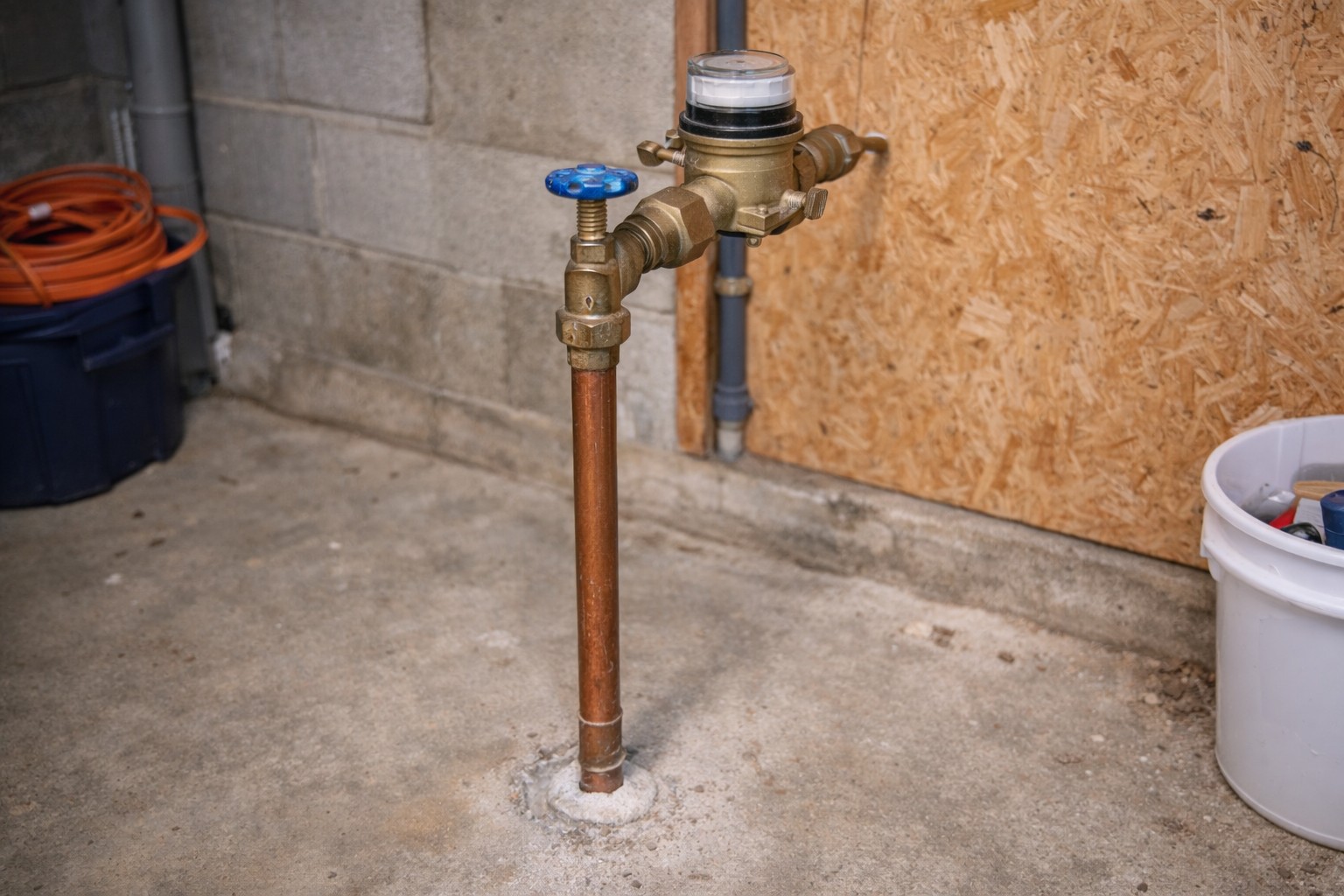
Touching the main shutoff and seeing pressure drop usually means the valve or a nearby control is moving, debris or a weak seal is changing the flow path, or a system control (irrigation, PRV, smart device) is responding. Start by installing a pressure gauge that records peak values, log when drops happen, and isolate whether the issue is upstream (utility/meter) or downstream (your plumbing and controls).
Why This Happens
- Partially closed or sticky main valve: moving the handle can change the flow enough to lower pressure or trigger a drop as the valve binds.
- Debris near the valve or meter: touching the valve can dislodge material that temporarily restricts flow.
- Pressure-reducing valve (PRV) or backflow device reacting: some PRVs cycle or settle after a change, changing system pressure.
- System controls responding: irrigation controllers, smart shutoffs, or leak-detection devices may react to a pressure change and shut or limit flow.
- Downstream leak that opens slightly when pressure changes, so touching the valve changes how the leak behaves.
Step-by-Step What to Do
1. Observe and reproduce safely
Note exactly when the pressure drops: is it only when you touch the main handle, or also at other times (irrigation, heavy use, storms)? Keep a simple log with date, time, weather, and what appliances or systems were running.
2. Install a proper pressure gauge
Fit a pressure gauge at the house side of the main shutoff. Use a gauge that shows the current reading and has a max-needle or max-hold feature so you can capture the highest value and compare changes after you touch the valve. If possible, place a second gauge on the utility or meter side to compare upstream and downstream readings.
3. Correlate drops to specific triggers
When you log events, check for patterns such as:
- Irrigation cycles starting or stopping
- Storms or fast changes in demand on the neighborhood system
- PRV cycling or adjustments
- Smart devices that shut off or throttle water
Use the max-needle readings to see if the pressure falls only after a particular trigger. Keep an eye on weekdays versus nights and on times irrigation runs.
4. Isolate upstream vs downstream
To narrow the source:
- Compare meter-side and house-side gauge readings if you installed two gauges. If the meter-side stays steady while the house-side drops, the problem is on your side of the meter.
- If you only have a house-side gauge, shut off major downstream systems (irrigation, water softener, laundry) and observe. If the drop still happens when the valve is touched, it points upstream or at the valve itself.
- If you suspect the meter or street supply, contact the water utility rather than trying to access utility-owned equipment.
5. Act based on what you find
If the valve moves and pressure drops and the meter-side is steady, the valve may be failing or misaligned — have a plumber replace or service it. If the utility side shows the drop, report your findings and gauge readings to the water utility so they can investigate supply or meter issues. If a control (irrigation or PRV) is causing the change, follow its manufacturer steps or have a pro adjust or service that device.
What Not to Do
- Do not assume intermittent loss is a fixture issue—track system-wide behavior first.
- Do not force or repeatedly wrench a stuck main valve; that can break the stem or cause leaks.
- Do not try to repair or replace meter-side/utility equipment yourself. Contact your water utility for anything on their side of the meter.
When to Call a Professional
- When the gauge comparison points to a failing main valve or PRV that you cannot safely service.
- If you find a leak you cannot isolate or control.
- If utility-side pressure drops are present and persistent — your water supplier will need your logged readings and may dispatch a crew.
- If you are unsure how to install gauges or interpret readings; a licensed plumber can perform safe isolation tests and recommend repairs.
Safety Notes
- Turn off equipment and relieve pressure before loosening fittings. Water under pressure can cause injury or damage.
- Do not access or disturb utility-owned valves or meters. If work is needed on those components, contact the utility.
- If you smell gas or see major flooding while working on plumbing, leave the area and call emergency services and your utility providers.
Common Homeowner Questions
- Could a smart shutoff cause this? Yes—some devices react to small pressure changes; see Pressure failure after smart shutoff alerts for more on that behavior.
- Is this the same as pressure cutting out randomly? It can be related—track triggers and compare with times pressure otherwise drops; see Pressure cuts out randomly.
- Can I ignore small drops? If they’re rare and do not affect use, you can monitor, but persistent or growing drops should be diagnosed to avoid bigger failures.
Related Articles
If you’re troubleshooting a similar symptom, these guides may help:
For the full directory, see Intermittent Pressure Loss Events.