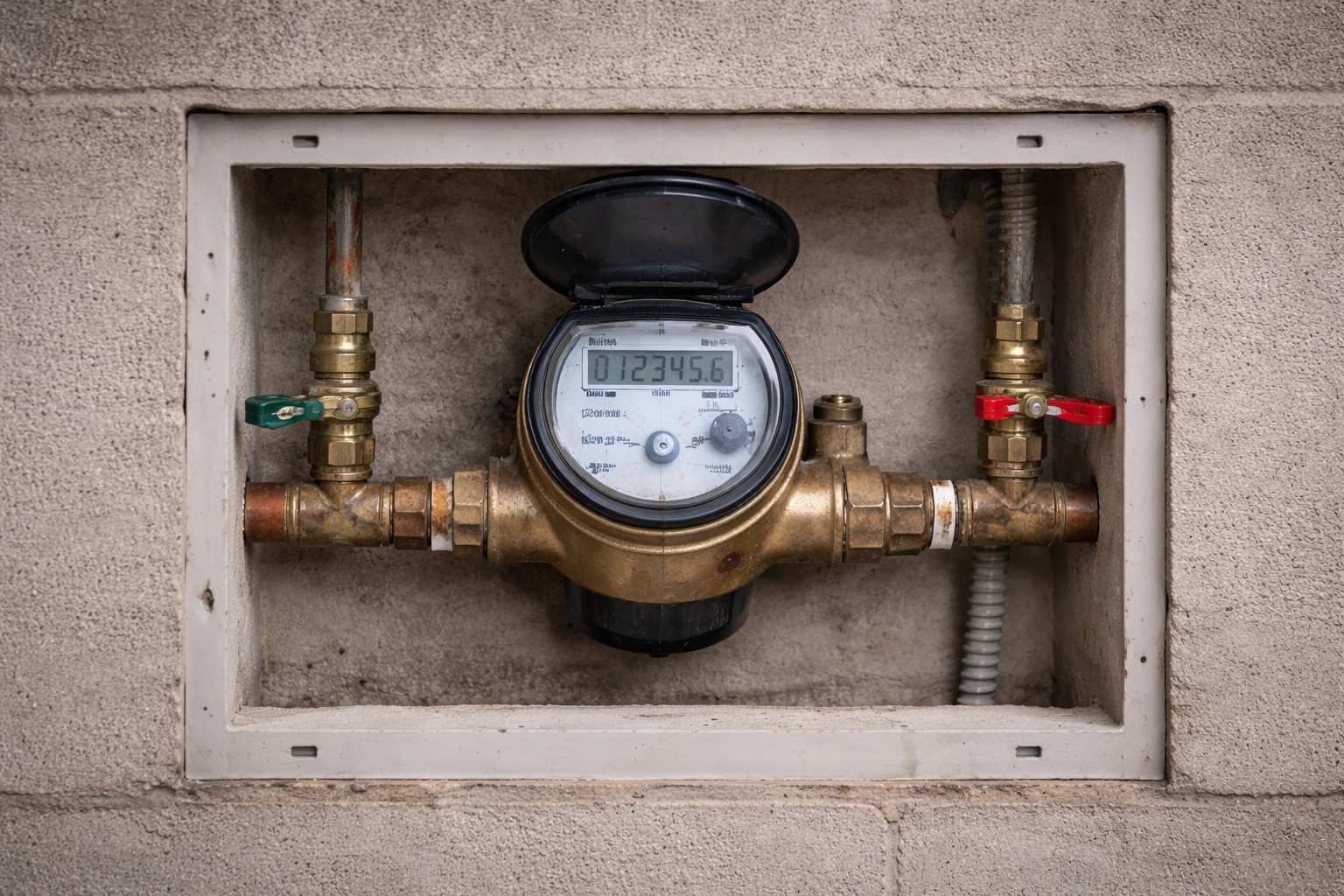
Bottom Line Up Front Brief water flow interruptions (a second or two) followed by return are almost always temporary pressure drops from utility surges, pump cycling, PRV issues, or air pockets — not usually a single faucet problem. Install a pressure gauge with a max/min needle to capture spikes/dips, log events with times/fixtures, and flush lines to clear air/debris. If interruptions are frequent/severe or pressure logs show extremes, contact your utility or a licensed plumber.
Common Causes These short stops are pressure events — water flow pauses when supply pressure drops below what the system needs, then resumes as pressure rebounds. Frequent triggers include:
- Utility main work, hydrant flushing, or sudden neighborhood demand (e.g., fire hydrant use).
- Automatic systems cycling on/off — irrigation timers, well pumps, booster pumps, or sump pumps.
- Pressure-reducing valve (PRV) sticking or cycling briefly.
- Air pockets or partial blockages that restrict flow until pressure equalizes (House pressure slowly recovers after use in some systems).
- Weather/power events — storms, outages, or pump blips affecting municipal/well supply.
If interruptions match a pattern (e.g., only during irrigation or storms), you’ve likely found the cause. For broader or random issues, see related Intermittent pressure loss for more context.
Tools & Materials You’ll Need
- Water pressure gauge with max/min needle (screw-on for hose bib, $15–30)
- Notebook/phone (to log times, fixtures, events)
- Flashlight (to inspect valves/pump area)
- Bucket/towels (for drips during checks)
Step-by-Step Troubleshooting & Fixes
Step 1: Observe & Log the Interruptions
- Note exact time, duration (seconds?), and affected fixtures (kitchen sink? shower? whole house?).
- Look for patterns: irrigation cycle? Storm? Trash pickup noise? Utility truck?
- Ask neighbors if they notice similar brief stops — points to utility-side cause.
Step 2: Install a Pressure Gauge & Log Spikes/Dips
- Screw gauge onto outdoor hose bib (or test port near main).
- With all fixtures off, read static pressure (normal 50–70 psi).
- Leave gauge in place 1–2 days — max/min needle captures brief drops/spikes.
- Log readings when interruptions happen — spikes above 80–100 psi or drops below 30 psi are red flags.
Step 3: Correlate Drops to Triggers
- Match log entries to known events: irrigation timer? Pump start? Utility work?
- If drops align with a trigger, you’ve identified the cause (e.g., pump cycling).
Step 4: Isolate Upstream vs. Downstream
- Shut house main valve (inside) — open outdoor hose bib.
- If pressure still drops at bib → upstream (utility, meter, PRV).
- If drops stop with main closed → downstream (your plumbing, pump, appliances).
- Check meter: no flow with house shut — unexpected flow suggests leak/meter issue.
Step 5: Flush & Clear Air/Debris
- Run cold taps full blast (low to high points) for 5–10 minutes.
- Observe if interruptions stop after flush (Pressure improves when multiple taps open in some cases).
- For well systems: check pump pressure switch/tank charge.
Step 6: Decide Next Steps
- Pattern identified + minor → Adjust (e.g., stagger irrigation, bleed air).
- Frequent/severe drops → Contact utility (upstream) or plumber (downstream).
Mistakes to Avoid
- Don’t blame a single faucet — track whole-house behavior first.
- Don’t tamper with utility meter/PRV without guidance — can cause leaks or void service.
- Don’t ignore repeated spikes — can damage pipes/appliances over time.
When to Call a Professional
- Frequent/severe interruptions after logging/flushing.
- Rapid pump cycling, pressure extremes, or visible leaks.
- Suspect failing PRV, pump control, or utility-side issue.
- You’re unsure about gauge setup, valve checks, or safety.
Safety First
- Turn off power to pumps before inspecting electrical parts.
- Relieve pressure before removing gauge/fittings.
- Avoid working on utility-owned equipment — contact utility instead.
- This is general DIY guidance — plumbing varies; consult pro/utility when in doubt.
Readers Also Ask Pressure flickers during showers — related? Yes — often same pressure events; log with gauge to see matches.
Could one appliance cause this? Sometimes — large timed systems like irrigation can; confirm system-wide first.
How long to monitor before calling? 48–72 hours or until clear pattern/repeated long interruptions.
Related Articles If you’re troubleshooting similar symptoms, these guides may help:
- Pressure cuts out randomly
- Intermittent pressure loss with no pattern
For more related articles, see the Intermittent Pressure Loss Events hub.
Disclaimer: This content is for informational purposes only and not a substitute for professional plumbing advice. Attempting repairs can cause damage or injury—proceed at your own risk and call a licensed plumber when in doubt.