Quick Answer:
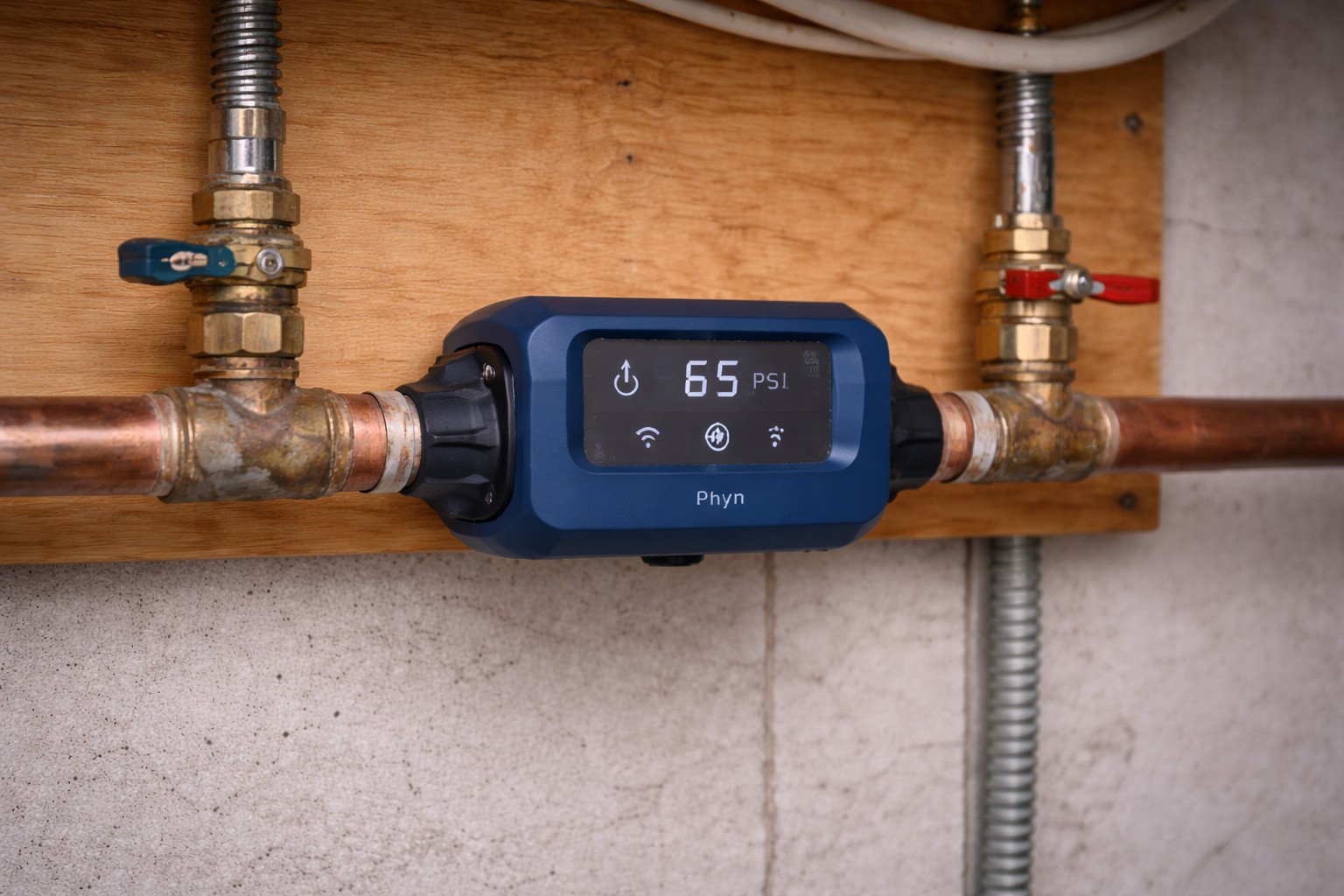
If installing a smart shutoff created unstable or low water pressure, start by isolating the repaired component, flush affected lines, and measure pressure before and after the repair point. The most common causes are trapped air, a partially closed valve, or debris. These checks will show whether the device or the supply side is the problem.
Why This Happens
Smart shutoffs sit directly in the flow path. If they are not fully open, installed with debris still present, or introduce air when fitted, you can get pressure swings or low flow at fixtures. A partially closed valve or an out-of-position internal part can mimic a supply problem. Sometimes the issue looks like a general supply fault but is limited to the branch that was worked on.
If the pattern matches past problems you’ve seen after other repairs, consider those comparisons such as **Pressure low after DIY plumbing** or **Pressure loss after new shower valve** to help narrow the cause.
Step-by-Step What to Do
Isolate the repaired component
- Turn off the smart shutoff according to the manufacturer’s instructions or close the nearest isolation valves. If there are no local isolation valves, shut off the main supply temporarily.
- Open a downstream faucet to confirm the component is isolated—there should be no flow if isolation is complete. If there is flow, locate and close any additional valves on that branch.
- Label the valves you operated so you can restore the system correctly after testing.
Flush affected lines
- With the repaired component isolated, open faucets downstream to let trapped air and debris escape. Start at the fixture nearest the repair and work outward to the furthest points on that branch.
- Flush until the flow is steady and any discoloration clears. For hot-water lines, run both hot and cold to clear each side of the system.
- If you have an outdoor hose bib on the same feed, use it to flush quickly—this can remove larger debris before testing indoor fixtures.
Measure pressure before and after the repair point
- Attach a pressure gauge to a hose bib or a test port upstream of the smart shutoff to get the supply (upstream) pressure.
- Move the gauge to a point downstream of the device to measure downstream pressure. Compare the two readings—large drops (more than 5–10 psi) suggest the device or isolation valve is restricting flow.
- Record readings and note if pressure fluctuates while running a fixture. This information is useful if you need to contact the device maker or a plumber.
What Not to Do
- Do not assume pressure will self-correct without flushing and inspection.
- Do not repeatedly force valves open or closed; forcing can damage the smart shutoff or the plumbing.
- Do not remove the device or cartridge unless you have confirmed the water is fully isolated and you understand the manufacturer’s service steps.
When to Call a Professional
- You find a large pressure difference between upstream and downstream after testing.
- The smart shutoff appears to be mechanically stuck or leaking internally.
- Debris or mineral buildup won’t clear after flushing, or the system uses a pressure regulator that may need adjustment or replacement.
- You’re not comfortable shutting off the main or attaching a pressure gauge safely.
Safety Notes
- Always shut off water at a known isolation point before removing or servicing fittings.
- Relieve pressure by opening a faucet after shutting off the supply to avoid sprays when disconnecting parts.
- Wear eye protection and keep electrical components of the smart shutoff dry while working on the plumbing.
Common Homeowner Questions
- Why did the pressure change right after installation? Air, a partially closed valve, or debris trapped during installation are the most common immediate causes.
- How long should flushing take? Flush until water runs clear and steady—usually a few minutes per fixture, longer if there was heavy debris.
- Can I test pressure without special tools? You can use a hose bib and a simple gauge that screws onto it; if you don’t have a gauge, note relative flow changes but consider a professional test for an accurate diagnosis.
Related Articles
If you’re troubleshooting a similar symptom, these guides may help:
For the full directory, see Pressure Loss After Plumbing Repairs.