Quick Answer:
Short bursts of sediment in the service line can block or partly block valves and regulators, causing pressure to drop and return intermittently. Install a pressure gauge with a max-needle, log when drops happen, and test whether the issue is upstream of the house or inside the house to narrow the problem.
Why This Happens
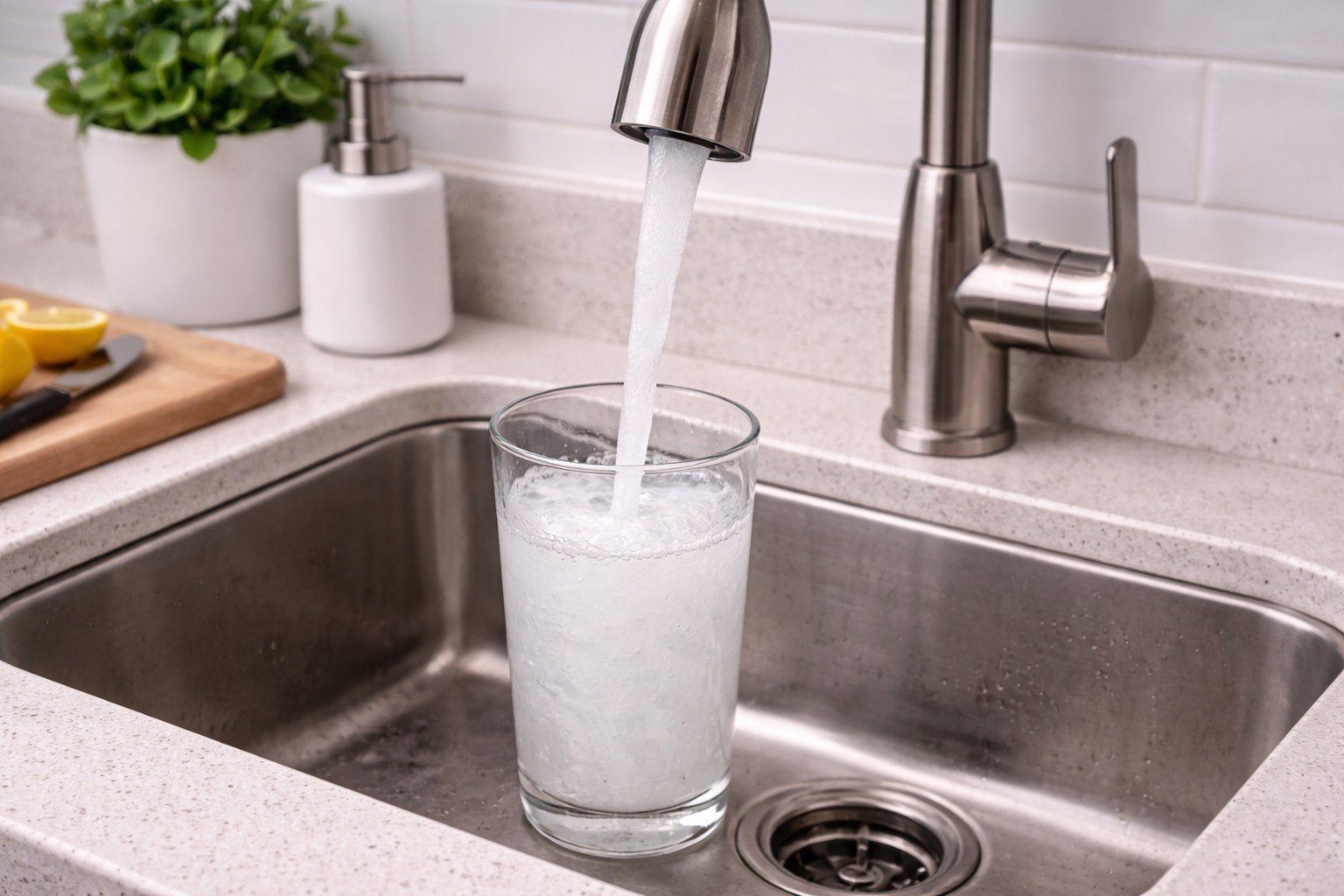
- Sediment from nearby work, storms, hydrant flushing or a disturbed curb stop can dislodge grit that moves into your service line. Particles can wedge in regulators, screens, meter internals or small valves and then shift, causing pressure to come and go.
- Pressure-regulating valves (PRVs) may cycle when clogged, creating repeating drops. Heavy simultaneous use (irrigation, pools, multiple fixtures) can also shift sediment and trigger temporary blockages.
- If there was recent utility work at the street or a big storm, expect sediment-related issues. For related situations, see Pressure failure after curb stop work and if the problem happens with big water draws, see Pressure cuts out during heavy use.
Step-by-Step What to Do
1. Install a pressure gauge with a max-needle
- Buy a simple threaded pressure gauge designed for plumbing with a max (maximum) needle or peak-hold feature. Mount it on a hose bib or test port on the house side of the meter where it sees system pressure.
- The max-needle holds the highest pressure reached and helps capture brief spikes or drops you might miss during observation.
2. Start a short pressure log
- Record pressure readings and time stamps for at least a few days. Note weather events, irrigation schedules, or any nearby street work.
- Compare sudden drops with events: irrigation cycles, storms, or PRV cycling. If drops line up with one trigger, you have a strong clue where to look.
3. Reproduce the drop safely
- Try turning on an irrigation zone or running several fixtures at once to see if you can reproduce the cut-out. Use the gauge to watch pressure while doing this.
- If the gauge falls the same way each time, you’ve confirmed a repeatable trigger and can isolate whether heavy demand plus sediment is the cause.
4. Isolate upstream vs downstream causes
- Close the main house shutoff briefly (downstream of the meter) while watching the gauge. If pressure fluctuations continue while the house is isolated, the problem is upstream (meter, curb stop, or supply). If they stop, the issue is inside the house or on a downstream branch.
- When possible, compare readings with a gauge before and after the house shutoff (or temporarily move the gauge to the meter side). This confirms whether the obstruction is on the utility side or your side.
5. Flush and clear accessible lines
- If the issue appears downstream and you can do so safely, open an outdoor faucet at the lowest point in the house or on the property and flush with the main open to push sediment out. Do this only for short periods and avoid repeatedly tapping curb stops.
- A complete flush sometimes clears lodged particles in screens or valves. If a PRV or meter screen is suspected, a service tech may need to clean or replace it.
6. Monitor after any change
- After flushing, valve adjustments, or any repairs, continue to use the max-needle gauge and logs to confirm whether the intermittent pressure stopped or returns.
What Not to Do
- Do not assume intermittent loss is a fixture issue—track system-wide behavior first.
- Do not repeatedly open and close the curb stop yourself if you are unfamiliar with it; that can make problems worse or damage the valve.
- Do not replace major components (PRV, meter) without testing and a clear diagnosis; unnecessary replacements are costly and may not fix an upstream problem.
When to Call a Professional
- Pressure drops persist after you’ve logged data and attempted isolation, or the problem appears upstream (meter/curb stop). Contact your water utility or a licensed plumber.
- If you find a leaking meter, repeated complete loss of pressure, or you cannot safely operate valves and isolate the system, get professional help.
- If a PRV is suspected to be failing or clogged, a plumber can test and replace it correctly.
Safety Notes
- Turn off pumps and electrical equipment before working on pressure-related components to avoid electrical hazards.
- Wear eye protection and gloves when flushing lines—sediment and debris can spray unpredictably.
- Do not dig near the service line or operate the curb stop unless you know its location and are authorized; call the utility if excavation or curb work is needed.
Common Homeowner Questions
- Why install a max-needle gauge? It captures brief peaks and drops that you’d otherwise miss while checking manually.
- How long should I log pressures? At least a few days, longer if drops are tied to occasional events like storms or scheduled street work.
- Can I fix this by myself? Basic testing and flushing are often doable, but call a pro if isolation points to the meter, curb stop, or a failing PRV.
Related Articles
If you’re troubleshooting a similar symptom, these guides may help:
For the full directory, see Intermittent Pressure Loss Events.