Quick Answer:
If your water pressure is unusually high only in the early morning, start by installing a pressure gauge, log pressures at different times, and isolate the pressure regulator or backflow assembly to see if they are the source. Often the cause is a timed system change—like irrigation, pump cycles, or municipal pressure control—so monitoring the timing helps pinpoint the trigger.
Why This Happens
- Timed systems: Irrigation systems, well pumps, or municipal supply pumps often run overnight or early morning. When they start or stop, they can change flow and create pressure pulses. See how changes after irrigation stop can create spikes in some setups: Pressure spikes when irrigation stops.
- Pressure regulator issues: A failing pressure reducing valve (PRV) can cycle or stick and let pressure rise at certain times when upstream pressure changes.
- Thermal and demand patterns: Lower household water use overnight can allow upstream pressure to rise, then drop once morning demand resumes. Water district pressure control or booster pumps sometimes follow a schedule.
- Backflow assemblies and check valves: If isolation valves or internal parts stick or leak, pressure readings can be inconsistent and peak at particular times.
Step-by-Step What to Do
1. Install a pressure gauge
- Attach a simple pressure gauge to an outdoor hose bib or the main shutoff using an adapter, or have a technician install a permanent gauge. Record static pressure overnight and in the early morning.
- Write down the time and pressure value each reading. Multiple days of data helps identify a pattern.
2. Monitor surge timing
- Keep a log for several nights. Note when the surge happens, how long it lasts, and any nearby timed equipment (sprinklers, well pump cycles, or municipal pump schedules).
- Compare the surge time to the household and neighborhood irrigation schedules. Precise timing points to an external cycle rather than a household appliance.
3. Isolate the PRV and backflow
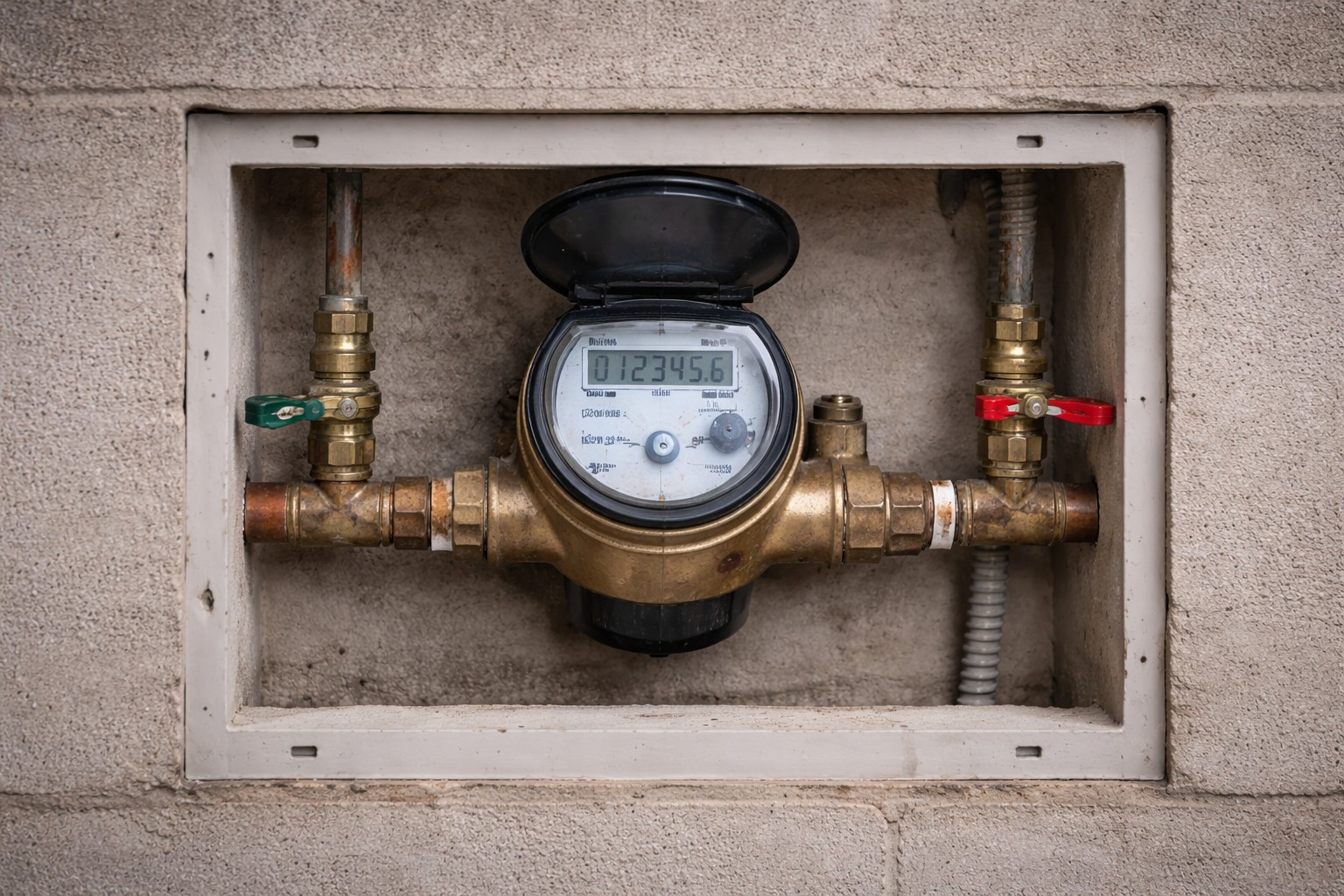
- Locate the PRV and backflow preventer. If the assembly has isolation valves, shut the downstream valve briefly and check the gauge again (do not fully close valves needed for fire protection). If the pressure changes, the PRV or backflow device may be at fault.
- If you are not comfortable operating those valves, ask a plumber to test and adjust or replace the PRV.
4. Test for other triggers
- Turn off irrigation systems for a morning (if practical) and observe the gauge. If the surge disappears, irrigation timing is likely responsible.
- If you have a well, watch for pump start/stop times. If a booster pump or tank is cycling early, it may need service or a pressure switch adjustment. A smart shutoff or leak-detection device can also react to pressure events; investigate whether such devices were installed and how they respond to surges—this may explain cutoffs: Pressure surge triggers smart shutoff.
What Not to Do
- Do not ignore surges—they cause fixture and appliance failure.
- Do not remove or tamper with safety devices (expansion tanks, pressure relief valves) without understanding their role.
- Do not make major adjustments to the main supply or municipal connection without consulting your water provider or a licensed plumber.
When to Call a Professional
- If pressure exceeds 80 psi regularly—this risks damage and should be addressed by a plumber.
- If isolating the PRV/backflow or testing valves is uncomfortable or you lack the right tools.
- If you find the surge coincides with a well pump or booster pump cycle and adjustments or repairs are needed.
- If you suspect a municipal supply issue after monitoring—contact your water utility to confirm scheduled cycles or pressure changes.
Safety Notes
- Use pressure gauges rated for household water pressure and install them on sturdy fittings. A leaking or broken gauge can spray water—stand clear when testing.
- Do not fully close valves required for fire sprinkler systems or municipal connections unless instructed by professionals.
- When in doubt, shut off water to sensitive appliances (ice makers, boilers) before testing and call a licensed plumber for permanent fixes.
Common Homeowner Questions
- Why does it happen only early in the morning? Early morning is when demand is low and timed systems or municipal pumps often start or stop, changing upstream pressure.
- Will a PRV adjustment fix it? Sometimes—if the PRV is sticking or improperly set—but testing and possible replacement may be needed.
- Can I ignore occasional spikes? No. Repeated spikes can damage fixtures and appliances; monitor and address the cause.
Related Articles
If you’re troubleshooting a similar symptom, these guides may help:
For the full directory, see Pressure Spikes & Sudden Surges.