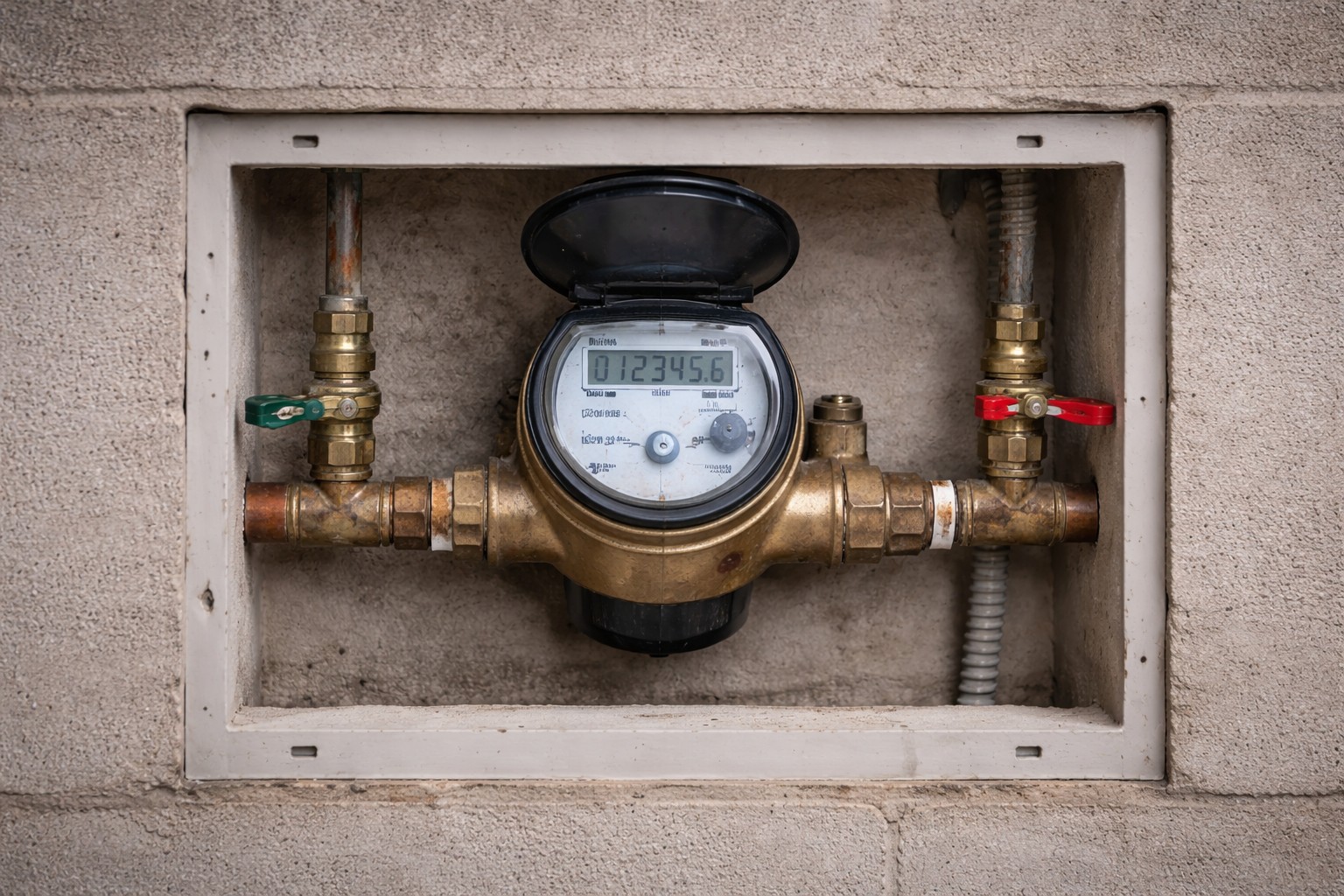
Quick Answer:
If water pressure dropped immediately after city utility work, the most likely causes are air in the line, a partially closed valve, or a change at the repair point. Do these three checks: isolate the repaired component, measure pressure both upstream and downstream of the repair point, and fully flush the affected lines. If pressure stays low after those steps, call the city or a licensed plumber.
Why This Happens
City crews may open and close valves, replace pipe sections, or remove debris during a repair. That work can introduce air, dislodge sediment, or leave a valve partially closed. Pressure can also change if the pipe profile or fittings were altered at the repair point. Often the issue is local to the repaired section and fixable at the meter or curb stop, but you need to check both sides of the repair to be sure.
Step-by-Step What to Do
1. Confirm where they worked
- Ask the city crew or your utility contact which segment they repaired and whether they operated the curb stop or service valve.
- Note whether the work was on the main in the street or on the lateral/service near your property.
2. Isolate the repaired component
- Find and close the house shutoff (indoor shutoff) to protect appliances while you test.
- If safe and permitted, partially close and reopen the curb stop or service valve only to confirm its position; if you are unsure, ask the city to isolate the repair point for testing.
- Isolation lets you tell whether the issue is upstream (city side) or downstream (your side) of the repair.
3. Measure pressure before and after the repair point
- Use a pressure gauge on an outdoor hose bib or a thread-on test gauge at the meter to measure pressure on the house side (downstream).
- If possible, measure pressure on the street side (upstream) near the curb stop or ask the utility for their test reading.
- Compare readings: a significant difference indicates a restriction or valve problem at the repair point; similar low readings on both sides point to a larger supply issue.
4. Flush the affected lines
- Open the highest and lowest fixtures to create a flow path: open an upstairs hot and cold tap and an outdoor hose bib to flush air and sediment.
- Run water steadily for several minutes or until flow clears. This often restores normal pressure if air or debris is the cause.
- After flushing, re-check the pressure readings to see if values improved.
5. Inspect fixtures and appliances
- Check faucet aerators and showerheads for debris; remove and clean if flow is restricted.
- Look for leaking or partially closed interior shutoffs that can reduce local pressure.
6. Re-test and document results
- Record pressure readings before and after the repair point and before and after flushing.
- If pressure remains low on the house side but normal upstream, investigate service valves, filters, or pressure regulators on your property.
What Not to Do
- Do not assume pressure will self-correct without flushing and inspection.
- Do not force valves beyond their normal position; forcing an unfamiliar curb stop or meter valve can cause damage.
- Do not attempt major digs or tamper with public mains—leave work on city infrastructure to the utility.
When to Call a Professional
Call the city utility if upstream pressure is low or if they are responsible for the repair area. Call a licensed plumber when:
- You have normal pressure upstream but low pressure inside the house after flushing and isolating the repair point.
- Pressure readings show a drop across the service line or the meter and you cannot correct it by operating your house shutoff or flushing.
- You suspect a damaged pressure regulator, leaking internal valve, or clogged service line component.
For related issues, check Pressure uneven after pipe replacement and Pressure unstable after curb stop use for troubleshooting focused on those scenarios.
Safety Notes
- Turn off appliances and water-using equipment before isolating or flushing lines to avoid damage.
- If you smell gas or see damage to the street or meter, move clear and call emergency services or the utility immediately.
- If you’re not comfortable operating curb stops or meter valves, ask the city or a plumber to perform those actions.
Common Homeowner Questions
- Why did pressure drop immediately after the repair? Air or sediment introduced during the work, or a valve left partially closed, are the most common causes.
- How long should flushing take? Typically a few minutes; run fixtures until flow is steady and clear, then re-test pressure.
- Can I fix low pressure myself? You can perform isolation, flushing, and basic pressure checks; call the utility or a plumber if readings show a persistent problem upstream or across the service line.
Related Articles
If you’re troubleshooting a similar symptom, these guides may help:
For the full directory, see Pressure Loss After Plumbing Repairs.