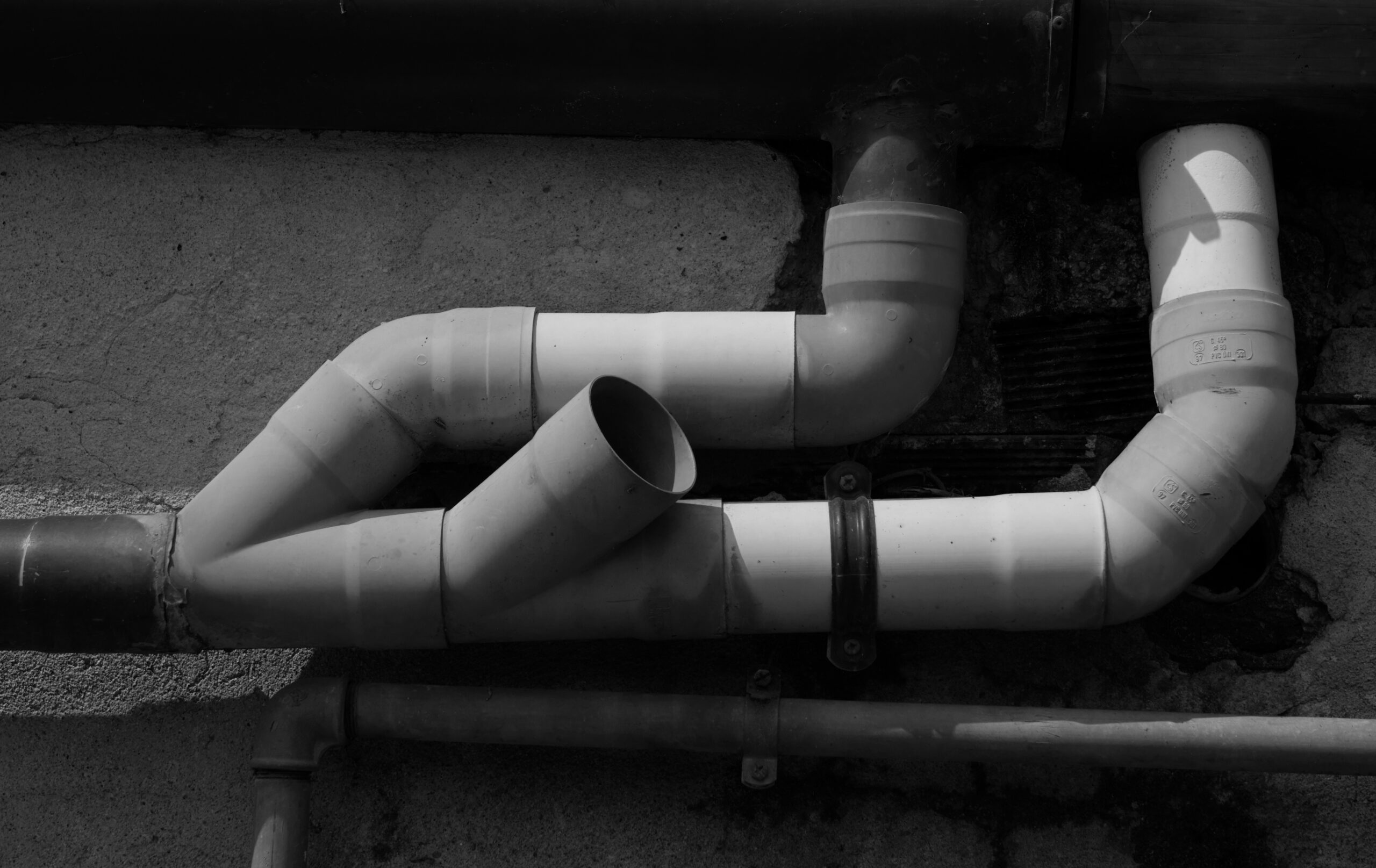
Winter-only banging needs actual temperature, flow and equipment observations before it is called harmless contraction. The seasonal pattern is useful history, but does not certify pressure or rule out freezing, damage or another source.
When to stop and get help
Stop using an affected fixture for active leakage, severe pipe movement, steam or very hot discharge, and obtain appropriate prompt help. Do not wait for another bang to demonstrate it. Keep away from wet electrical equipment; use a safely accessible dry normal control only when safe, otherwise get qualified help. For suspected fuel gas or a carbon monoxide alarm, leave immediately and call the appropriate emergency service from safety; do not operate switches, phones, valves or appliances in the affected area.
Check the cold condition before padding or adding heat
- Warning signs: Existing loss of flow, visible frost, bulging or leakage calls for prompt appropriate freeze/leak assessment. Do not run hot water, repeatedly close valves or wait for warmer weather to prove a theory. A split can become evident during thaw.
- Safe warming limits: Appropriate gentle thawing applies to a known reachable frozen section under safe electrical, source and receiving conditions. Get qualified help for hidden, damaged or inaccessible pipe. No flame, boiling heat, improvised heating in a wet space or unattended portable heater. Use actual heater instructions, direct suitable outlet and combustible clearances; insulation slows heat loss but supplies no heat.
- Movement and supports: Do not blindly insert pads or tighten every strap. Identify the actual pipe material, expansion allowance and mounting before routine accessible support care. Keep freeze protection and approved heat traces active; do not de-energize essential protection to isolate a sound.
Does a bang disappearing in spring prove there was no damage?
No. Keep the seasonal record and any actual leak or flow findings. Suitable pressure and component checks may still be needed. A quieter pipe after warming is an observation, not whole-system clearance.
Choose a correction from the actual findings
A pressure regulator, thermal-expansion provision, water-hammer arrester and pipe support have different purposes. Identify the component and actual operating conditions before buying a remedy. A capped pipe stub is not proof of a manufactured arrester; check its markings and applicable instructions. Do not recharge an unknown device or loosen a pressurized fitting. Internal work requires controlled water, retained pressure, temperature and energy, with appropriate model-specific commissioning afterward.
Related guides
- Pipes bang only at night
- Hammer noise after water heater refill
- Pipes Banging After Fixtures Turn Off
Sources and equipment limits
- DC Water: known frozen-pipe access, gentle thawing and no flames
- CPSC: portable electric-heater fire and water hazards
Manufacturer documents are examples; identify your actual equipment before selecting settings, parts or service steps. These articles have not received independent professional review or field testing.