Quick Answer:
If sinks and toilets began backing up as soon as you turned on water after returning from a trip, it most likely started as a partial sewer clog that filled while the house sat unused. Start by inspecting the lowest drains and any floor drains for standing sewage, then open the exterior cleanout while someone runs fixtures inside to see whether the sewer accepts flow. If you can’t clear the problem or you find sewage in living areas, call a plumber for camera diagnostics and cleanup.
Why This Happens
When a house sits empty, small blockages in the main line can settle and trap solids that normally move with regular flow. Grease, hair, wipes and mineral build-up can slowly form a partial barrier. Outdoor events — heavy rain, city sewer interruptions, or construction — can push extra solids into the line and make the problem worse. Two common post-vacation outcomes are a Main sewer line partially clogged from accumulated debris and a Partial clog after city outage when outside conditions added material while you were away.
Step-by-Step What to Do
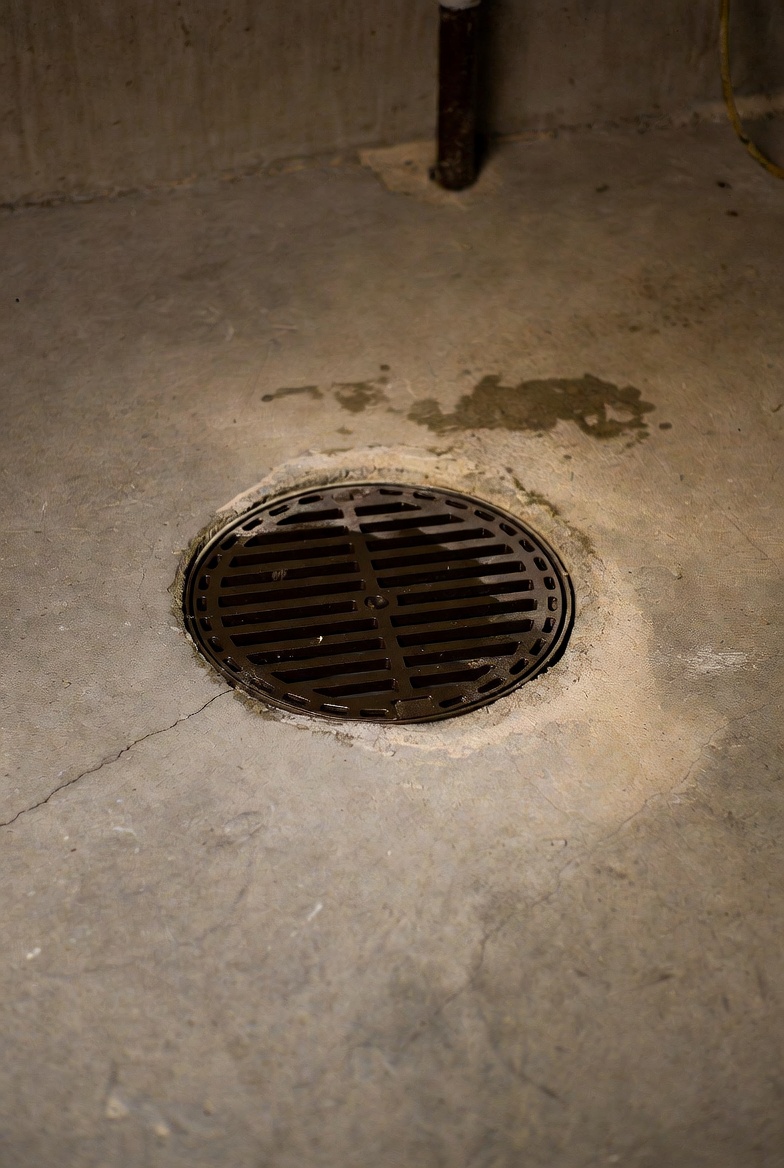
1. Inspect lowest drains and floor drains
- Check basement sinks, floor drains and any fixtures at the house’s lowest level for standing sewage or slow drainage.
- If you see sewage in living areas, stop and call a professional immediately.
2. Open and observe the exterior cleanout
- Locate the exterior cleanout (a capped pipe near the foundation or sidewalk). Remove the cap carefully — wear gloves and eye protection.
- Have someone run a sink or flush a toilet inside while you watch the cleanout. If the sewer accepts the flow and nothing comes out the cleanout, that’s a good sign. If flow backs out or you see sewage, stop and call a plumber.
3. Clear traps and try an auger from the cleanout toward the street
- Before using the cleanout, clear nearby fixture traps (sink and shower traps) of hair and debris to make sure those aren’t the cause.
- If the cleanout is accessible and you’re comfortable, use a hand-crank auger or a sewer snake through the cleanout, feeding it toward the street to remove accumulated debris. Feed gently and retrieve sediment as you can — don’t force the cable if it meets hard resistance.
- If the auger removes material and flow returns to normal, run water for several minutes to flush the line.
4. Check roof vent openings
- Inspect plumbing vent openings on the roof for bird nests, leaves or other blockages. A blocked vent can trap sewer gases and reduce flow in the drain system.
- Clear light obstructions carefully or hire a pro for roof work if you’re not comfortable or it’s unsafe to climb.
5. If clearing fails or sewage appears in the home
- If you cannot restore normal flow from the cleanout, the clog may be farther down the line or inside the main; stop and contact a licensed plumber.
- Ask the plumber for camera diagnostics to locate the blockage and for professional cleanup if sewage reached living spaces.
What Not to Do
- Don’t try to clear heavy sewage backups yourself with excessive plunging — this can splash sewage into living spaces and spread contamination.
- Don’t use strong chemical drain cleaners in a sewage backup. They can create hazardous fumes, damage pipes, and interfere with later professional cleaning or camera inspection.
- Call a pro when you find sewage in living spaces, cannot access the cleanout, or the backup returns after an attempted clear.
When to Call a Professional
- Any time you find sewage inside the house — call a licensed plumber immediately for cleanup and repairs.
- If the cleanout is buried, damaged, or inaccessible, or an auger does not restore proper flow.
- If backups recur after a temporary clear — request camera diagnostics to find tree roots, collapsed pipe sections, or solids farther in the main line.
- If you’re uncomfortable doing any of the above steps safely.
Safety Notes
- Wear gloves, eye protection and boots when handling drains or the cleanout. Sewage contains harmful bacteria and pathogens.
- Avoid breathing fumes in confined spaces; ventilate the area if possible. Do not mix or use chemical drain cleaners during a backup.
- Sanitize surfaces that contacted sewage and dispose of contaminated materials per local guidance. For large contaminations, use professional cleanup services.
Common Homeowner Questions
- Can I clear this myself? Short answer: only simple checks and a small auger from an accessible cleanout; stop and call a pro if sewage is present or the auger can’t clear the line.
- Will chemical drain cleaners help? No — they’re unsafe for large backups and can make cleanup harder and hazardous.
- How quickly will a plumber need to arrive? If sewage is inside the home, call immediately; otherwise arrange service as soon as you can to avoid worsening clogs or damage.
More in this topic
For more related fixes and similar symptoms, see Main Line Partial Clogs.