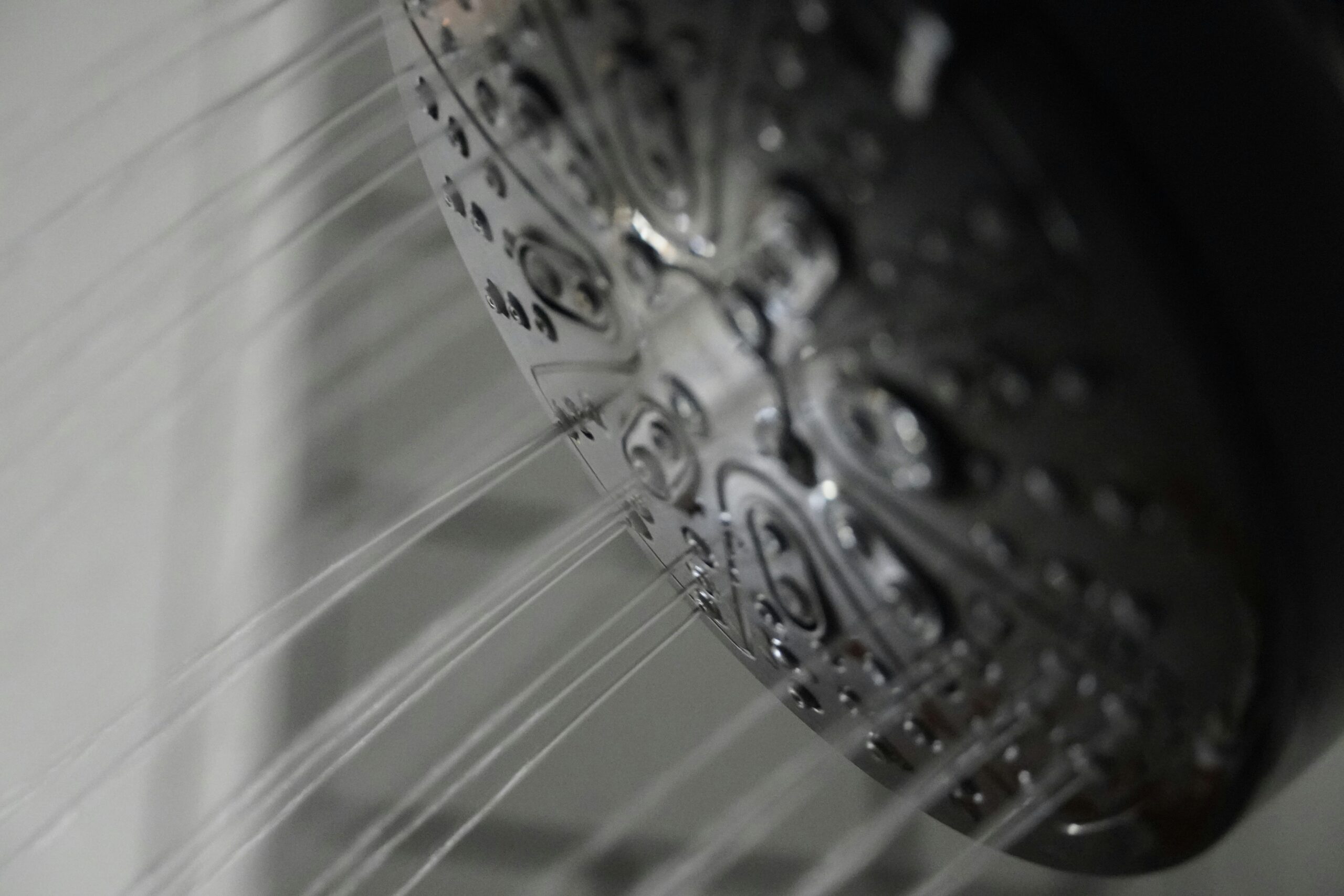
If your shower suddenly has weak or uneven water pressure after you shut the water off and turned it back on, it can be frustrating — especially if sinks nearby seem fine. In most cases, this is caused by debris or air affecting the shower head or valve, not a major plumbing failure.
The issue is usually localized and fixable.
Quick Answer:
Low shower pressure after a water shutoff is most often caused by debris or air trapped in the shower head or valve. Removing and cleaning the shower head or running the water for several minutes usually restores normal pressure.
Why This Happens
Showers are more sensitive to pressure changes than sinks because:
- Shower heads have small internal screens
- Valves mix hot and cold water internally
- Sediment easily collects in narrow passages
When water is restored after a shutoff, air and debris move through the system and often settle in the shower first.
This commonly happens after turning your water back on after shutting it off, especially if you’ve already noticed low water pressure after turning the water back on at other fixtures.
Step-by-Step: How to Fix Low Water Pressure in a Shower
Step 1: Check Other Fixtures
Before focusing on the shower, test:
- Bathroom sink
- Kitchen sink
- Toilets
If pressure is normal everywhere else, the issue is isolated to the shower.
Step 2: Remove and Clean the Shower Head
Unscrew the shower head from the arm.
- Rinse out visible debris
- Soak it briefly in vinegar if mineral buildup is present
- Shake out trapped air or sediment
Reattach and test pressure.
This alone fixes many cases.
Step 3: Run the Shower Without the Head
With the shower head removed:
- Turn the shower on for 30–60 seconds
- Let water flush the pipe
If pressure is strong without the head, the restriction is inside the shower head.
This is similar to issues where only one faucet has low water pressure.
Step 4: Check the Shower Valve Settings
Some showers have:
- Pressure-balancing valves
- Temperature limit stops
Sediment or air can affect these components temporarily. Running hot and cold water fully can help stabilize them.
Step 5: Inspect the Shutoff Valves (If Present)
Some showers have local shutoff valves behind an access panel.
Make sure they are fully open if they were adjusted during the shutoff.
What Not to Do
- Don’t assume the pipe in the wall is clogged
- Don’t increase house water pressure to fix one shower
- Don’t ignore debris inside the shower head
- Don’t disassemble the valve unless necessary
Most post-shutoff shower issues are simple and localized.
When to Call a Professional
Call a plumber if:
- Shower pressure remains low after cleaning
- Both hot and cold pressure are weak
- Other fixtures begin losing pressure
- You suspect a failing shower valve
If multiple fixtures are affected, the issue may relate to problems after restoring water to the house, not the shower itself.
Safety Notes
- Restore water slowly at the main valve
- Keep one faucet open during restoration
- Avoid running showers at full pressure immediately
- Watch for leaks around shower fixtures
Gradual restoration protects valves and internal seals.
Common Homeowner Questions
Why is my shower pressure worse than my sink?
Shower heads and valves have smaller openings that clog more easily with debris.
Will this fix itself over time?
Sometimes, but cleaning the shower head usually speeds things up and prevents damage.
Is low shower pressure a sign of pipe damage?
Not when other fixtures work normally. It’s almost always a fixture-level issue.