Quick Answer:
If your shower smells bad when it runs, the odor is usually coming from either the drain (biofilm, soap scum, trapped hair) or from the hot water supply (sediment or bacterial activity in the water heater). Do quick checks to see whether the smell is from the water itself or from the drain, run other fixtures to compare, and try simple flushing and cleaning before calling a pro.
Why This Happens
- Drain buildup: Hair, soap, skin cells and bacteria form a slimy film in the drain and on the shower trap that produces a musty or sewer-like smell.
- Stagnant water: If a shower is used infrequently, water sitting in the trap or pipes can get stale and smelly.
- Water heater problems: Sediment, bacterial growth, or a failing sacrificial anode in the water heater can cause a rotten-egg (sulfur) smell in hot water.
- Recent plumbing work or shutoffs: Disturbing lines or turning the water back on after a shutoff can stir up sediment and temporary odors.
Step-by-Step What to Do
1. Identify whether the smell is from water or the drain
- Turn the shower on and cup a clean glass under the running water to capture a sample. Smell the water in the glass away from the drain.
- If the water in the glass smells, the source is the water supply. If only air near the drain smells, the drain is the likely source.
2. Run other fixtures to compare
- Run a kitchen tap, bathroom sink, and another shower. Note whether the smell appears from hot, cold, or both.
- If the smell is present only when hot water runs, focus on the water heater. If multiple fixtures show the same odor, it’s likely a supply or heater issue.
3. Check if the odor is hot-only
- Turn on cold water only and smell. Then run hot water only and smell. Hot-only odor often points to the water heater; cold-only or both suggests supply or sewer/drain issues.
- If you recently had water shut off or plumbing work, this can be temporary — see water smells after a shutoff for related steps to take.
4. Basic flushing and cleaning steps
- Run hot water: Open the hot tap at the shower and a distant hot tap (like a kitchen sink) for 5–10 minutes to flush the system. This can clear stagnant water and loosen sediment.
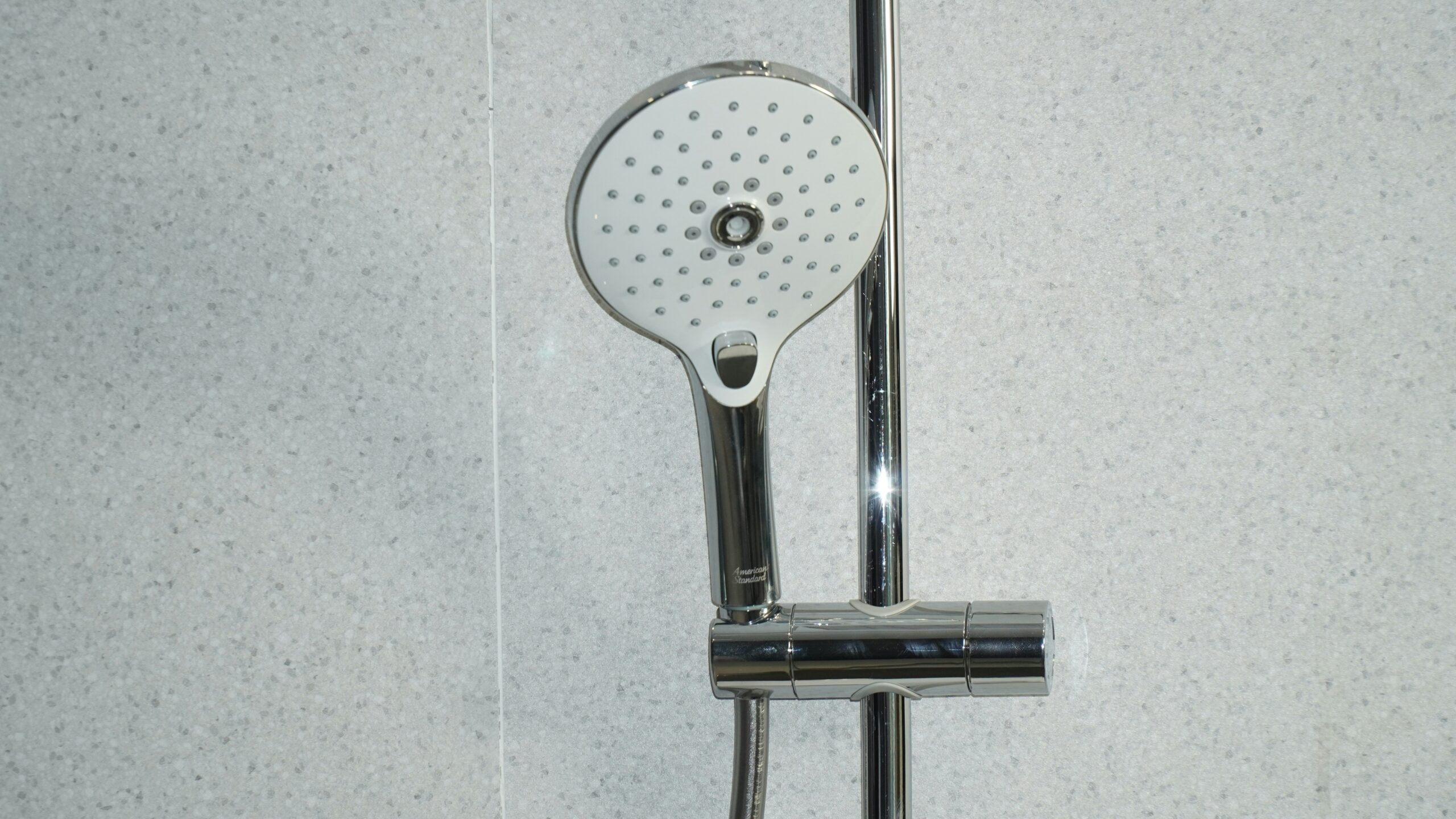
- Clean the showerhead: Remove or soak the showerhead in a mild vinegar solution to remove mineral buildup and biofilm. Scrub away visible gunk and rinse well before reattaching.
- Flush the drain: Use a plunger or a plastic drain snake to remove hair and debris. Follow with hot water flush for a minute to clear residues.
- Check and flush the water heater gently: If hot-water odor persists and you’re comfortable with basic maintenance, follow the heater manufacturer’s advice to flush a small amount of water from the drain valve to clear sediment. If you’re not sure, see guidance about possible heater problems **after turning the water back on**.
- Run fixtures regularly: If a bathroom is seldom used, run water weekly to keep traps from drying and odors from forming.
What Not to Do
- Do not pour harsh chemicals into the valve or drain as a first step — they can damage plumbing, harm septic systems, or create dangerous fumes.
- Do not ignore a sulfur/rotten-egg smell on hot water — that can indicate bacterial activity in the water heater and needs attention.
- Do not keep using the shower if you feel unwell when the smell is present; stop using it and get fresh air.
When to Call a Professional
- Any persistent rotten-egg smell from hot water after basic flushing — this often means the water heater needs inspection or service.
- If multiple fixtures have the same foul-smelling water and flushing didn’t help, the problem may be in the supply or heater and requires a plumber.
- If you notice corrosion, leaks, discolored water that won’t clear, or you’re not comfortable performing the flushing steps safely.
Safety Notes
- Ventilate the bathroom while checking and cleaning to minimize breathing fumes from drains or cleaning agents.
- Wear gloves when removing debris from drains or cleaning the showerhead. Avoid mixing cleaning chemicals.
- If you smell strong gas, or anyone feels dizzy or sick, leave the house and call emergency services. For water-quality health concerns, stop using the water and contact a professional.
Common Homeowner Questions
- Why does the shower smell only sometimes?
Intermittent smells often mean stagnant water, trapped debris, or conditions that allow bacteria to grow when the fixture sits unused. - Will running the shower fix the smell?
Running hot and cold water for several minutes often removes stale water and reduces odor, but it won’t fix heater or deep buildup issues. - Can I fix a sulfur smell myself?
If basic flushing and cleaning don’t help, a sulfur smell in hot water usually needs a plumber or water-heater service to diagnose and treat safely.