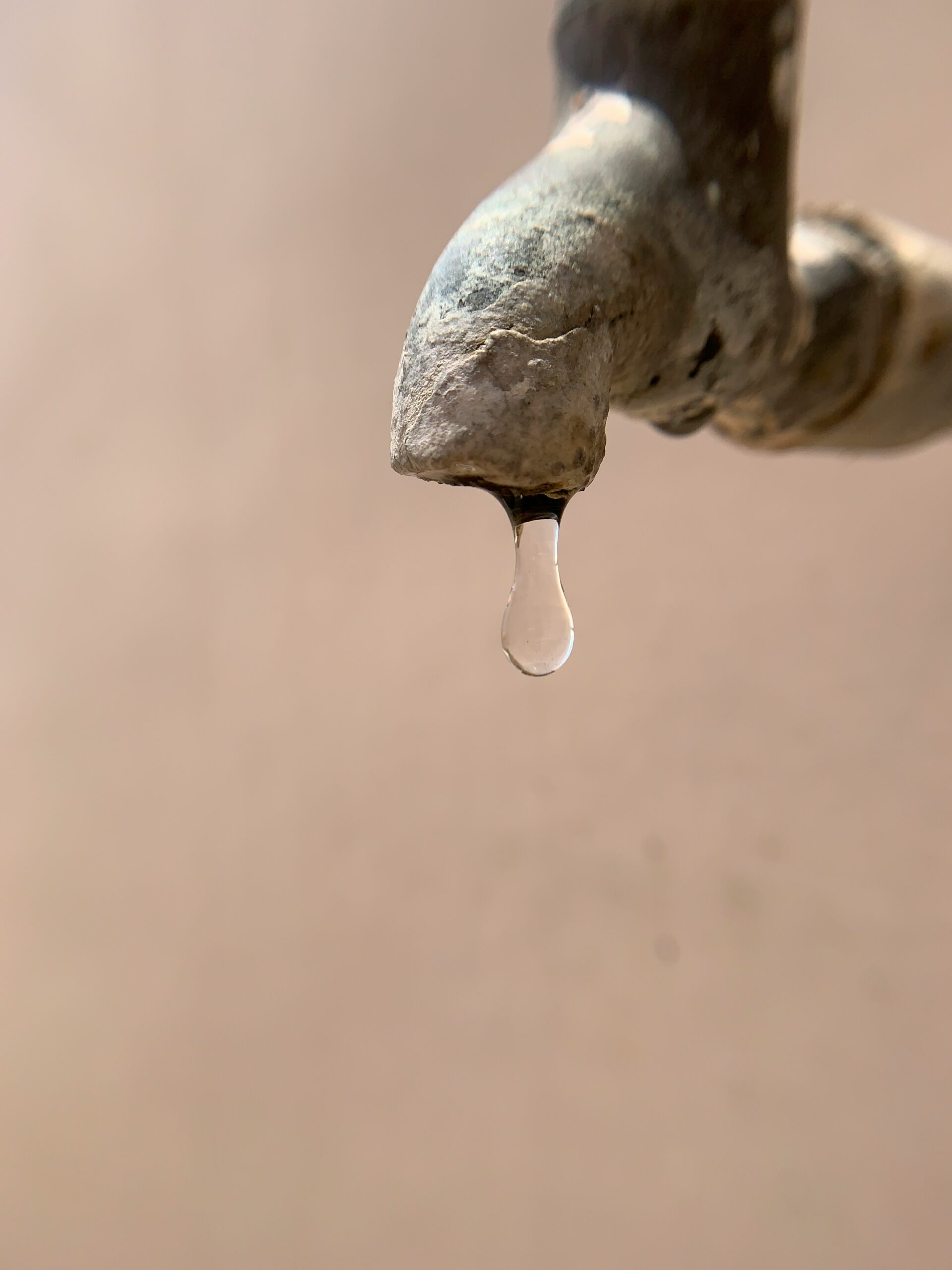
Quick Answer:
If an outdoor spigot keeps dripping for several minutes after you turn it off, it’s usually not catastrophic but it’s not something to ignore. Time how long the drip lasts, feel the pipe for warmth, and inspect whether the washer inside the valve is seating properly. Small fixes are often possible, but persistent dripping or signs of a leak inside the house mean call a plumber.
Why This Happens
There are a few common reasons a spigot continues to drip after shutoff:
- Worn or hardened rubber washer or seat that no longer seals fully.
- Corrosion or mineral buildup on the valve seat or stem preventing a tight shutoff.
- Water trapped in the hose or a connected device slowly draining out.
- Pressure or thermal expansion pushing a little water past the seat (more common if hot water lines feed the spigot).
- Internal freeze damage or a failed internal stop if the outdoor shutoff inside the house isn’t working.
If you also notice pressure loss when other fixtures are used, or signs of moisture in lower levels, consider that the outdoor line may affect other plumbing—see Outdoor spigot loses pressure when two hoses run for related issues, and check indoors if you suspect a leak.
Step-by-Step What to Do
Step 1 — Time the drip
Start by timing how long the spigot continues to drip after you shut it off:
- Use a watch or phone timer and note when the last drip falls. A few seconds to a minute is common as trapped water drains; several minutes is more than typical.
- Repeat the test with and without a hose attached—sometimes water in the hose will trickle out slowly for a few minutes.
Step 2 — Feel the pipe
Carefully feel the pipe behind the spigot and the first few inches of the line (wear gloves if it’s cold):
- If the pipe is warm, the spigot may be connected to a hot-water line or thermal expansion is at work—this changes the diagnosis and may need a different fix.
- If the pipe is cold and moisture appears along the pipe or inside the wall, that suggests a leak in the supply rather than just the spigot seal.
Step 3 — Check washer seating visually
If you’re comfortable doing a simple inspection, do the following safely:
- Locate and shut the indoor shutoff for that spigot (the isolation valve or hose bib stop). Open the spigot to relieve pressure and drain water.
- Remove the handle screw and turn the stem out enough to see the washer and valve seat. Look for a cracked, flattened, or missing rubber washer or mineral deposits on the seat.
- If the washer is worn or the seat is rough, replace the washer or clean the seat. Reassemble and test with the indoor shutoff open again.
If you don’t have an accessible indoor shutoff, or the valve assembly is corroded and won’t disassemble, stop and call a plumber.
What Not to Do
- Do not assume dripping is normal — persistent drips can waste hundreds of gallons over time or signal a larger leak.
- Do not over-crank the handle — forcing the valve harder can strip the stem, break the seat, or crack the body.
- Do not attempt major valve or pipe replacement without shutting water off at a main shutoff and verifying you can safely drain the system.
When to Call a Professional
Contact a plumber if any of the following apply:
- The drip continues for many minutes after shutoff or gets worse.
- You feel warmth at the pipe and you’re unsure if hot water lines feed the spigot.
- You find moisture or dripping inside a wall, ceiling, or the basement—this can indicate an internal leak; see Outdoor spigot causes basement pipe leak for related concerns.
- The indoor shutoff is missing, corroded, or won’t close, or you can’t safely isolate the spigot.
- The valve is frozen, cracked, or shows clear signs of damage.
Safety Notes
- Always shut off the correct indoor isolation valve before disassembling an outdoor spigot. Confirm water is off by opening the spigot and watching for flow.
- If it’s winter and pipes may be frozen, do not apply open flame or excessive heat to thaw—call a pro.
- Wear gloves and eye protection when working with corroded parts—rust and mineral flakes can be sharp.
- If you smell gas, see major flooding, or detect structural damage, evacuate and call emergency services or a professional immediately.
Common Homeowner Questions
- Is a slow drip dangerous? Not immediately, but over weeks it wastes water and can indicate a failing valve or hidden leak.
- How long should a spigot drip after shutoff? A few seconds to a minute as trapped water drains is normal; several minutes is a sign to check further.
- Can I fix it myself? You can if there’s an indoor shutoff and the valve parts are accessible; replace the washer or clean the seat. If parts are corroded or you can’t isolate the line, call a plumber.