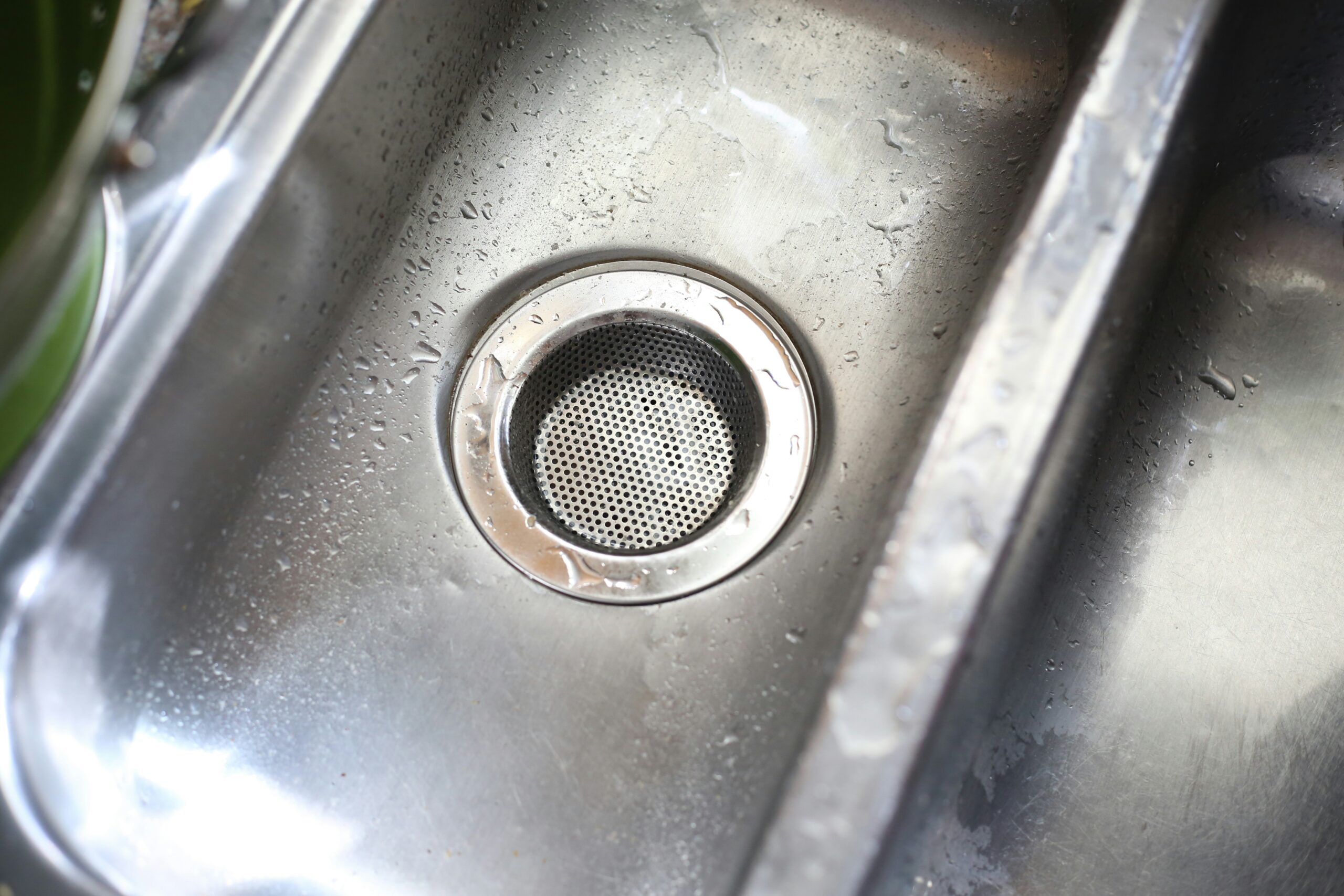
Quick Answer:
If a mildew or damp towel smell is coming from the drain area after you use the sink, start by checking for wet surfaces, biofilm in the drain and overflow, and whether the trap is holding water. Clean the drain and overflow, dry and isolate the area to confirm the source, clear any slow-drain residue, and improve ventilation. If the smell persists or you find leaks, call a plumber.
Why This Happens
That musty, mildew odor usually means moisture is sitting where it shouldn’t. Common causes include:
- Biofilm in the drain or overflow — a slimy mix of soap scum, skin cells and bacteria that smells like damp fabric.
- A dry or faulty P‑trap (the U‑shaped pipe) that doesn’t hold water and allows odors up from the sewer line.
- Slow-draining residue that keeps the pipe walls wet and odor-prone.
- Hidden leaks under the sink or in the cabinet that keep surfaces damp and let mold develop.
- Poor ventilation in the bathroom so damp air and smell linger.
Step-by-Step What to Do
1) Dry and confirm the odor source
- Wipe down the sink, cabinet floor, and the area around the drain with a dry towel. Put a dry paper towel or white cloth in the cabinet and check it after a few hours to see if it absorbs moisture or odor.
- To isolate the source, dry the drain area, then smell systematically — cabinet, floor, drain — to confirm the drain area is the main source.
2) Verify the trap has water
- Run water for a minute and then leave a small amount standing in the sink. The P‑trap should fill and hold water. If the trap is dry quickly, pour a cup of water down and watch for leaks under the sink.
- If the trap is absent, loose or leaking, it needs repair — a dry or broken trap can let sewer gases through.
3) Clean biofilm in the drain and overflow
- Remove the drain cover and use a long-handled brush or plumber’s brush to scrub the drain opening and overflow slots. A mix of warm water and mild dish soap works for most build-up.
- For stubborn build-up, use an enzyme drain cleaner that targets organic material; follow product directions. Don’t mix cleaners later.
- While cleaning you may notice visible residue like black slime — remove it and keep cleaning until the surface feels clean.
4) Check and clear slow-drain residue
- If the sink drains slowly, use a plunger or a hand auger (snake) to remove blockages. Clear residue from the trap by removing it and rinsing it into a bucket.
- After clearing, run hot water for several minutes to flush loosened debris.
5) Improve ventilation and dry the area
- Run the bathroom fan during and after use or open a window to reduce humidity. A portable dehumidifier or moisture-absorbing pack in the cabinet can help if the room stays damp.
- Keep the cabinet doors open periodically so trapped moisture can dry.
6) Monitor for recurring problems
- Check the area over the next few days. If the odor returns, re-check for slow drains, visible mold, or a leaking pipe under the sink.
- If you see signs like the drain gurgling when you run the sink, that can indicate venting or sewer-line problems requiring further diagnosis.
What Not to Do
- Do not seal the drain opening — blocking it can trap water and make smells worse, and it can lead to harmful sewer gases backing up into the room.
- Don’t ignore potential hidden leaks causing constant dampness; a persistent wet cabinet will feed mold and odor until the leak is fixed.
- Avoid pouring strong acids or mixing harsh chemical cleaners together; that can be dangerous and damage pipes.
When to Call a Professional
- If the smell continues after thorough cleaning and drying.
- If you find a leak you cannot stop, visible mold inside walls or the cabinet, or signs of sewer gas (rotten-egg smell).
- If drains stay slow or the **drain gurgles** when you run the sink — these can indicate venting issues or a deeper blockage that needs a plumber’s tools.
Safety Notes
- Wear gloves and eye protection when handling cleaners or removing gunk.
- Work in a well-ventilated area. Open a window or run the fan when using cleaners.
- Do not mix chemical cleaners. If using enzyme cleaners, follow the label and keep pets and children away until the product has settled or been flushed away.
Common Homeowner Questions
- Why does the smell come back?
Often because a hidden wet spot or remaining biofilm wasn’t fully removed, or the trap is letting odors through. - Is the smell mold or sewer gas?
A mildew or damp-towel smell is usually mold or bacterial biofilm. A rotten-egg or very pungent odor suggests sewer gas and needs prompt attention. - Will bleach fix it?
Bleach can temporarily remove surface mold but won’t remove greasy biofilm deep in the drain; cleaning and mechanical removal or enzyme cleaners are better long-term solutions.