Quick Answer:
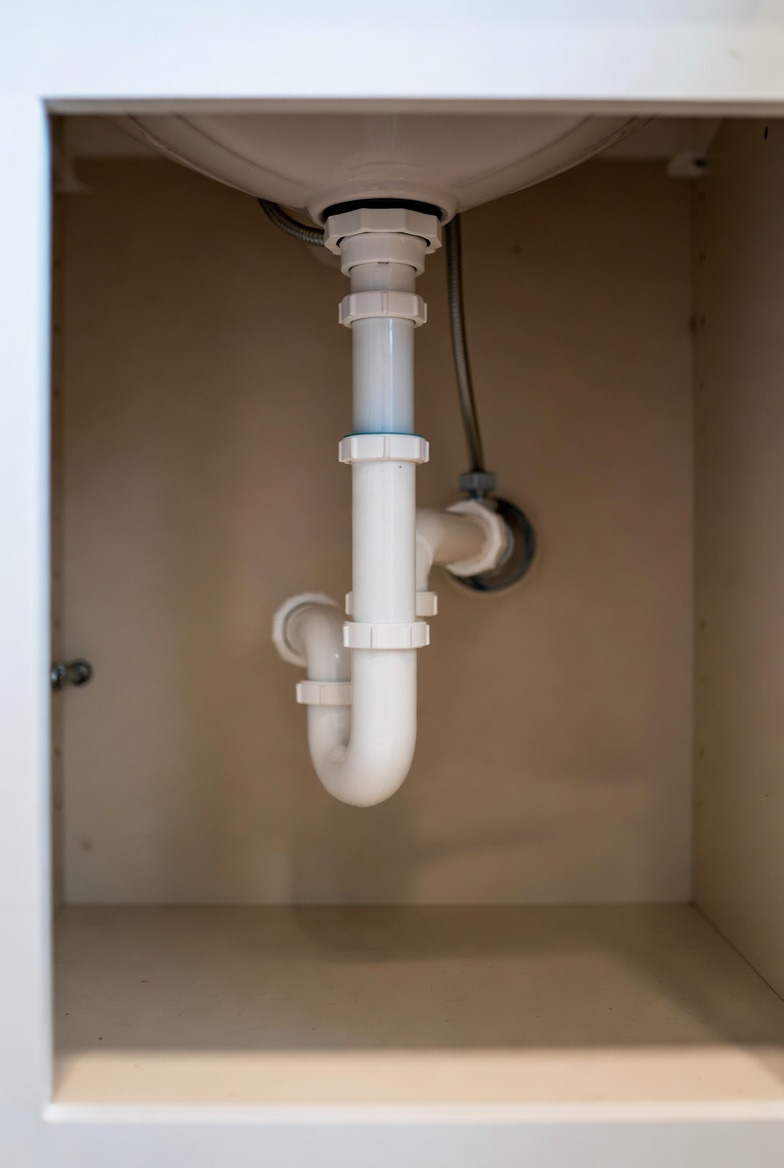
If a trap arm has a low spot it can collect grease and debris and lead to frequent clogs. Start by checking for a sag and supporting or adjusting the arm so it has a consistent downward slope to the drain. If the pipe is damaged, improperly installed, or the venting is wrong, call a plumber.
Why This Happens
- Loose slip nuts or worn washers allow the trap arm to tilt and create a low point.
- Long horizontal runs without support will sag under their own weight, especially with heavier material or after years in place.
- Improper pitch from a DIY install or a miscut pipe leaves a flat or uphill section where gunk can settle.
- Partial blockages downstream slow flow and encourage material to stick in any low spot.
- Poor venting can worsen slow drainage; see Trap not vented properly for more on vent issues.
Step-by-Step What to Do
Step 1: Prepare
- Put a bucket under the trap and close the sink’s shut-off valves if present.
- Have gloves, a flashlight, and an adjustable wrench ready.
Step 2: Check for sag
- Look along the trap arm from the trap toward the wall or floor drain for any visible low spots.
- Check for sag by gently lifting the trap arm and seeing if the slope changes noticeably.
- If the slope improves when lifted, the arm is unsupported or the joint is loose.
Step 3: Clear and inspect
- Remove the trap (have the bucket ready); inspect the trap arm opening for grease, hair, and debris.
- Use a small hand auger or a stiff wire to clear the trap arm if you see build-up.
- Smell for sewer gas only cautiously; heavy odors mean a longer-term vent or seal problem.
Step 4: Tighten and support
- Tighten the slip nut at the trap outlet and at the wall stub-out—do not overtighten plastic fittings.
- Add a pipe strap or hanger to support the trap arm so it holds a steady downward pitch toward the drain.
- If the trap arm is too long or badly warped, cut and refit a shorter section or replace it with the correct material and slope.
Step 5: Test
- Reassemble the trap, run water, and watch for steady flow without pooling in the trap arm.
- Check for leaks at every joint.
- If problems persist after cleaning and supporting, proceed to step 6.
Step 6: Look at venting and installation history
- Poor venting or incorrect installation can keep water moving slowly even after you fix the slope; if you suspect vent issues, investigate the vent stack or get professional help.
- If you completed the original work yourself and the problem began after that, consider the possibility of a Trap problem after DIY install.
What Not to Do
- Do not let the trap arm sag; ‘it still drains’ often turns into chronic clogs.
- Do not rely on repeated chemical drain cleaners to fix a sagging trap arm—those products don’t correct the slope and can damage pipes.
- Do not overtighten plastic slip nuts; cross-threading can break fittings and cause leaks.
- Avoid cutting or rerouting pipes without a clear plan—incorrect cuts can worsen slope problems.
When to Call a Professional
- There’s a persistent clog after you’ve cleaned and supported the arm.
- Leaks appear at the wall stub-out, or joints are damaged and won’t seal.
- Multiple fixtures are slow or backing up, which can indicate a venting or main drain issue.
- You’re unsure how to re-pitch the trap arm or the wall connection is corroded—let a plumber cut and fit the correct length and slope.
- If the issue began after your own work and you can’t safely correct it, get professional help to avoid repeated repairs or code problems.
Safety Notes
- Wear gloves and eye protection when removing a trap—there will be standing water and gunk.
- Keep a bucket and rags handy to limit spills and protect finishes.
- Don’t mix chemical cleaners with physical cleaning—chemicals left in the trap can splash and cause burns.
- If you smell strong sewer gas or notice large leaks, stop and call a professional to avoid health and water-damage risks.
Common Homeowner Questions
- Why does my trap keep clogging? — A low spot in the arm or a partial downstream blockage lets grease and hair collect.
- Can I fix this without a plumber? — Yes, if the issue is a loose nut or lack of support; replace damaged parts or add a strap first.
- How steep should the trap arm be? — It should have a consistent downward slope to the drain; if you’re unsure, a plumber can confirm proper pitch and venting.
For more related articles, see the P-Trap Geometry & Improper Slope Issues hub.