Quick Answer:
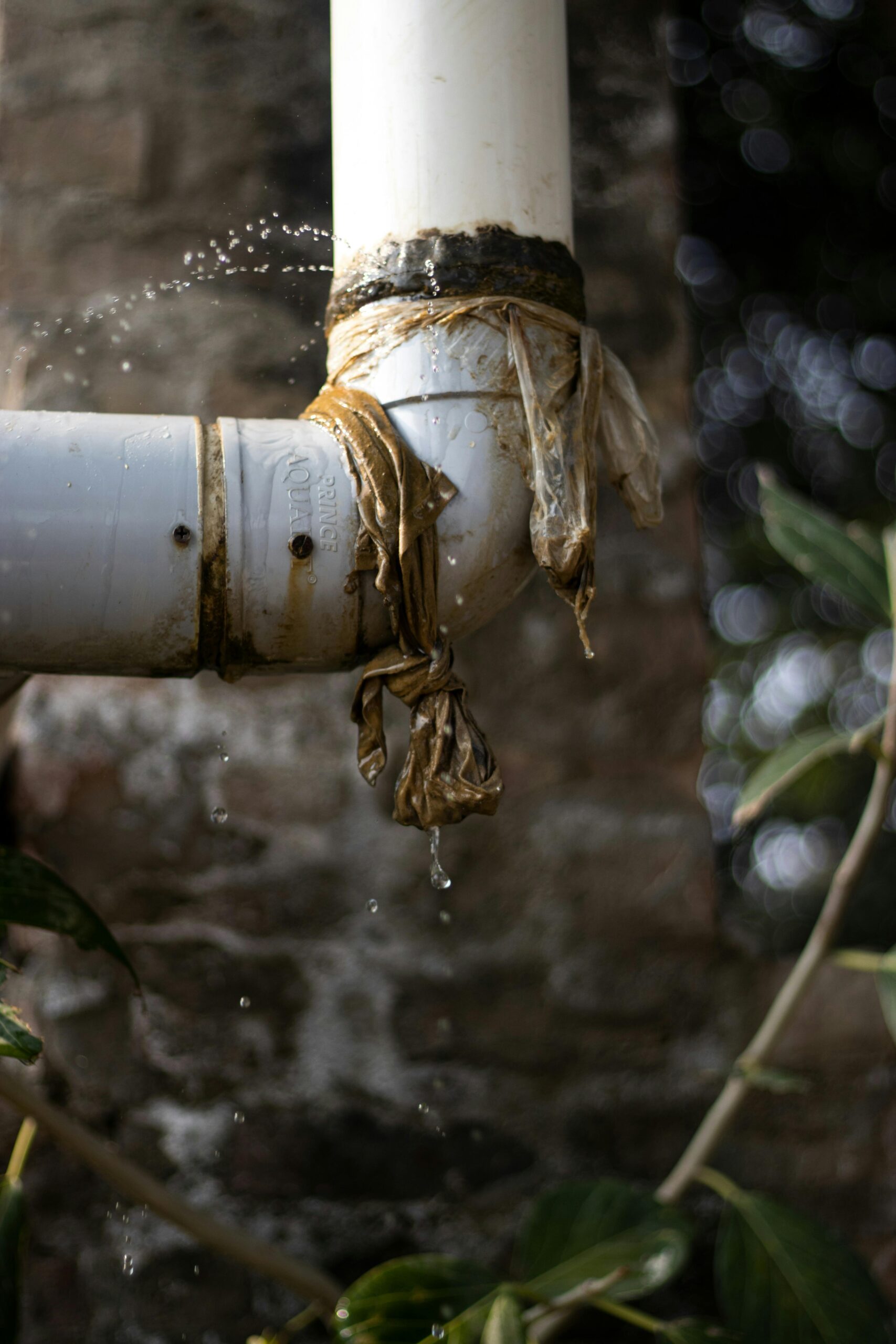
If a shutoff valve drips after you reopen it, start by isolating the supply, inspect the valve for damage or debris, flush the line, and tighten or replace parts as needed. Small drips sometimes clear after flushing; persistent leaks usually mean the valve needs repair or replacement.
Why This Happens
- Mineral deposits, rust, or small particles can lodge in the seat or stem, preventing a full seal when the valve is reopened.
- Corrosion or worn internal seals can let water bypass the closure even when the handle indicates “open” or “closed.”
- Debris pushed into the valve during reopening can cause immediate dripping until flushed out.
- Older valves that were unused for years may have seized parts or degraded packing; see Valve stops working after years of no use for more on that situation.
Step-by-Step What to Do
1. Isolate the supply
- Before touching the valve, shut off the main water supply to the house or the nearest upstream valve so you can work without a pressurized line behind you.
- Open a downstream faucet to drain pressure and reduce water in the line.
2. Inspect the valve
- Look for obvious damage: cracked body, corroded stem, or worn packing nut. Smell for old rubber or metal corrosion that can indicate seal failure.
- Operate the handle gently and watch where the drip is coming from — stem, body, or seat area.
3. Flush debris
- With supply isolated and downstream faucet open, briefly open the valve again while directing any flow into a bucket to clear loose debris. This can dislodge particles causing a drip.
- Close and re-open the valve slowly to check if the seal improves. If the valve was partially seized, procedures described in **How to free stuck shutoff valve** may help before attempting further repairs.
4. Tighten or replace parts
- If the drip is from the stem packing, gently tighten the packing nut a small amount (1/8 to 1/4 turn) and test. Do not overtighten — that can damage the stem.
- If tightening doesn’t stop the drip or the body/seat is damaged, plan to replace the valve. Ball and gate valves often require full replacement when internal seals fail.
What Not to Do
- Do not force the valve — wrenching or using excessive force can break the stem or body and cause a much larger leak.
- Do not ignore a leak, even a slow drip. Small leaks can worsen and cause water damage or increased water bills.
- Do not attempt risky welds, makeshift plugs, or temporary fixes that are not rated for potable water lines.
When to Call a Professional
- If the valve is corroded, cracked, or physically damaged, call a licensed plumber — replacing the valve is safer and longer lasting than repeated repairs.
- If you cannot isolate the supply or are unsure which valve controls the line, get help so you don’t accidentally flood an area.
- Call a pro if tightening or basic flushing doesn’t stop the leak, or if the valve is in a hidden location where failure could cause major water damage.
Safety Notes
- Always isolate the water supply and relieve pressure before working on any valve.
- Wear eye protection when flushing lines — trapped debris can spray unexpectedly.
- If soldering or using heat for a copper valve replacement, shut off water to the entire section and follow proper ventilation and fire-safety practices; consider hiring a pro for soldering jobs.
Common Homeowner Questions
- Why does tightening the packing nut sometimes stop a drip? — Tightening compresses the packing material around the stem to restore a seal; it only works if the packing is the source and not a worn seat or cracked body.
- Can I replace just the internal parts instead of the whole valve? — Some valve types allow cartridge or seat replacement, but many older valves are easier and safer to replace entirely.
- Is a slow drip an emergency? — Not usually urgent, but address it promptly to avoid damage; treat expanding leaks as emergencies and shut off the main until fixed.