Quick Answer:
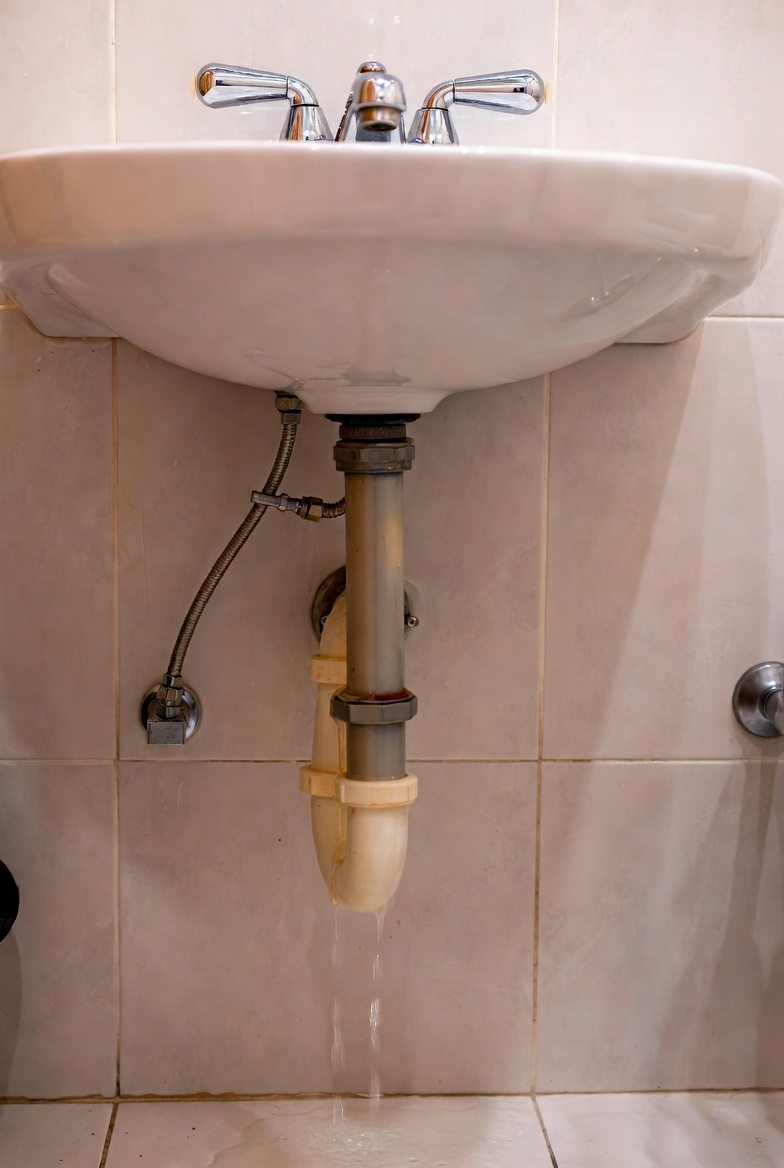
If a recently repaired sink trap starts to fail (leak or hold water poorly), the most common causes are a misplaced or damaged washer, a loose compression nut, or the wrong trap parts used. Start by catching drips with a bucket, then inspect the trap joints. Tighten or replace the washer and reassemble carefully. If the leak continues or threads are stripped, call a professional.
Why This Happens
After a repair the trap is often disturbed, which can expose a few typical problems:
- Washers moved out of position or seated backward during reassembly.
- Compression nuts not tightened enough or cross-threaded.
- Wrong type or size of trap, tailpiece, or nut that doesn’t seal correctly.
- Cracked plastic fittings or flattened washers from over-tightening.
If you also notice odors after working on the sink, check the trap and venting before assuming a sewer line issue — see Sink smells after plumbing work for guidance. If the smell seems metallic, see Sink smells metallic after repair.
Step-by-Step What to Do
1. Prepare and protect the area
- Place a bucket or large bowl under the trap to catch water.
- Turn off the faucet and wipe the area dry so you can see fresh leaks.
- Have basic tools ready: adjustable wrench, slip-joint pliers, replacement washers and rags.
2. Inspect the visible joints
Loosen the trap nuts a little and look at the washer positions. Check washer placement and tightness at trap joints. A washer that sits crooked or is upside down will not seal. Also inspect for cracks or distortion in plastic parts.
3. Re-seat or replace washers
- If a washer looks flattened, torn, or misshapen, replace it. New washers are inexpensive and often solve the problem.
- When reassembling, make sure each washer is fully seated in its groove before tightening the nut.
4. Tighten carefully
- Hand-tighten the compression nut, then use pliers for a final quarter- to half-turn. Do not overtighten; that can deform the washer or crack plastic fittings.
- After tightening, run water and watch for slow drips. Re-check nuts if needed.
5. Test and observe
- Run hot and cold water for a minute, then check for leaks while someone else watches the trap.
- Leave a dry paper towel around joints for a few minutes to confirm no small leaks are weeping through.
6. If it still fails
- Try swapping in a new trap assembly if parts are mismatched or damaged.
- If threads are stripped or plastic pieces cracked, replacement parts or a professional repair may be required.
What Not to Do
- Do not mix incompatible trap parts. Mixing brands or sizes can prevent a proper seal and cause repeated failure.
- Do not use excessive force to tighten compression fittings; that can crack plastic or crush washers.
- Do not rely on plumbing tape or adhesives to fix a compression joint—these won’t work where a washer seal is needed.
- Avoid using chemical drain cleaners if you’re disassembling the trap—flush the trap with water first and wear gloves.
When to Call a Professional
- If tightening or replacing washers doesn’t stop a leak.
- If threads are damaged, fittings are cracked, or the tailpiece is broken.
- If you smell persistent sewer gas after confirming the trap holds water.
- If the leak is large, or water damage is spreading to floors, cabinets, or ceilings below.
Safety Notes
- Keep a bucket under the trap to catch water and protect cabinets.
- Wear gloves to avoid contact with trapped debris and bacteria.
- Do not put your face directly under a trap while loosening it; sewer gas can be unpleasant and, in very rare cases, hazardous in enclosed spaces.
- Avoid using open flames or heat near plumbing chemicals or pooled liquids.
Common Homeowner Questions
- Why is the trap still leaking after I tightened the nut? — The washer may be installed wrong, damaged, or the nut may be cross-threaded; remove and inspect the washer and seating surface.
- Can I reuse the old washer? — If it’s compressed, cracked, or misshapen, replace it. Reusing an old washer often leads to repeat leaks.
- Will a leaking trap cause sewer gas in the house? — Yes. A compromised seal can allow odors through, so fix the seal or replace the trap promptly.
For more related articles, see the Post-Repair Sink Drain Problems hub.