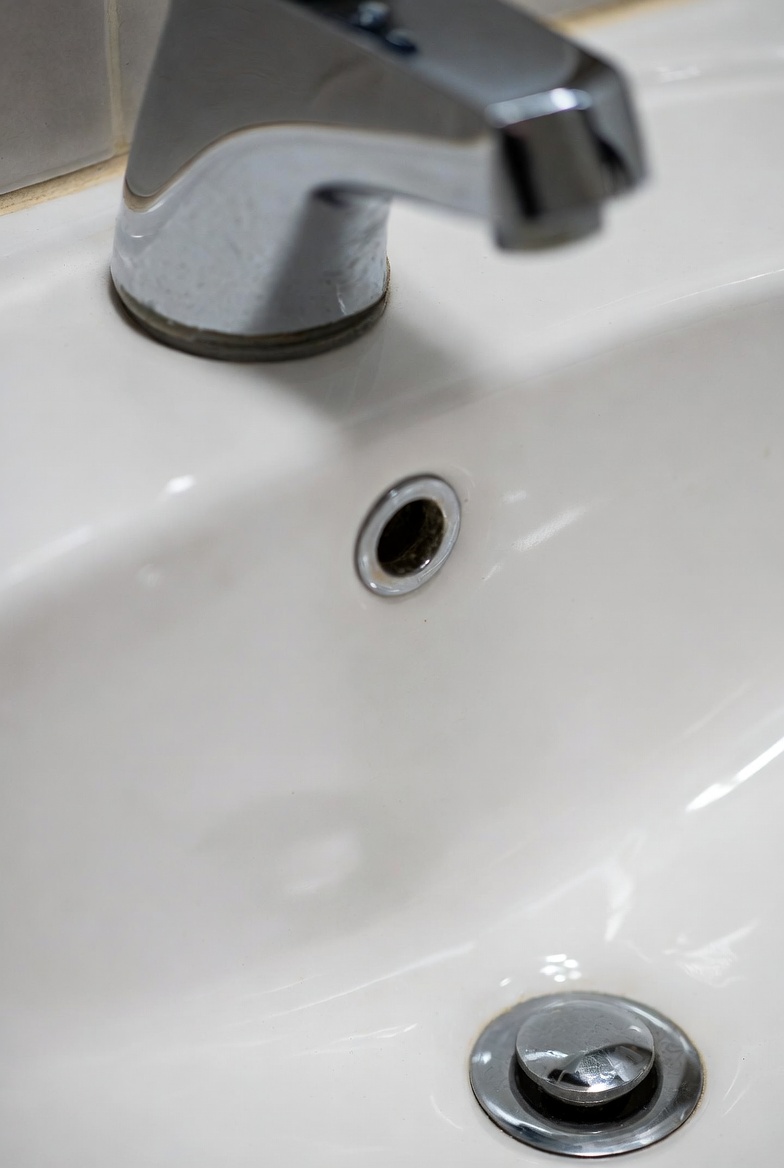
Quick Answer:
If your sink started bubbling after adding an air admittance valve or similar vent device, the most common causes are a mis-oriented device or a valve diaphragm that isn’t moving freely. Before assuming a full re-installation is needed, run a few quick checks: confirm the device is upright and test that the air-admittance mechanism can open and close.
Why This Happens
Plumbing vents let air into the drain system so water can flow smoothly. A mechanical vent device (often called an air admittance valve or AAV) replaces a pipe vent in some installations. If it’s installed incorrectly, blocked, or the internal diaphragm sticks, air can’t enter the drain as intended and you’ll see bubbles in the sink as trapped air escapes through the drain water. Sometimes the same trapped-air behavior shows as noises elsewhere—see Gurgling from wall cavity—or as intermittent bubbling under certain loads.
Step-by-Step What to Do
1. Watch and note when bubbling occurs
Run the sink, let it drain, and watch for bubbles. Note whether bubbling happens only when this sink is used, when other fixtures are used, or at specific times (heavy use, overnight, etc.). This helps narrow whether the problem is local to the new vent device or elsewhere in the system.
2. Verify vent device orientation
- Check that the device is installed vertical/upright. Most AAVs must sit straight up; a tilted or sideways device can’t open properly.
- Confirm it’s above the fixture’s flood level rim and where the manufacturer specifies—installation height matters for operation and code.
3. Check the air-admittance movement
- Gently tap the top or side of the valve (follow manufacturer instructions). You should hear or feel a slight click as the diaphragm moves.
- If you can access the removable cap safely, inspect for debris, insect nests, or mineral buildup. Clean gently with a soft cloth and mild cleaner. Do not force parts that don’t come off easily.
- After cleaning or tapping, run water again to see if bubbling stops.
4. Rule out trap siphoning or partial block
- Pour several liters of water into the sink to refill the trap; if bubbling persists, check nearby fixtures for slow drainage that could indicate a partial blockage downstream.
- If multiple fixtures gurgle together, the issue may be a larger venting or blockage problem rather than the single device.
5. If the device still seems stuck, consider replacement
AAVs are inexpensive. If the valve doesn’t move after cleaning and correct orientation, replacing the device is often faster and safer than continued troubleshooting.
What Not to Do
- Do not install vent devices without matching size and location rules. Installing the wrong size or in the wrong place can cause persistent venting problems and violate local code.
- Do not force or modify the valve mechanism. Forcing parts can damage the device and cause leaks or failure.
- Do not ignore recurring bubbling or sewer odors. That can indicate a blocked vent, sewer line issue, or failing trap seal.
When to Call a Professional
Call a plumber if you see any of the following:
- Persistent bubbling after you’ve confirmed orientation and movement, especially if multiple fixtures are affected.
- Sewer smells, slow drainage, or backup when more than one fixture is used.
- Visible leaks around the device or plumbing you’re not comfortable disassembling.
A licensed plumber can test vent performance, inspect for downstream blockages, and ensure the chosen device meets local code and sizing requirements.
Safety Notes
- Wear gloves and eye protection when inspecting or cleaning plumbing parts.
- Follow the manufacturer’s instructions for any valve you remove or replace.
- Don’t attempt major sewer-line work or roof-vent access without proper training and equipment; leave that to professionals.
Common Homeowner Questions
- Why does the bubbling happen only sometimes?
Short answer: It often depends on how water is used and pressure dynamics; intermittent use can let air pockets form that escape as bubbles. - Could the new vent make smells worse?
Short answer: If the device is stuck open or installed below flood level it can allow odors; otherwise a properly working AAV should not make odors worse. - Is bubbling at night different from daytime bubbling?
Short answer: Yes—differences in home water use at night can change pressure and reveal issues like slow venting. See Bathroom sink bubbles at night for common causes and timing-related checks.