Quick Answer:
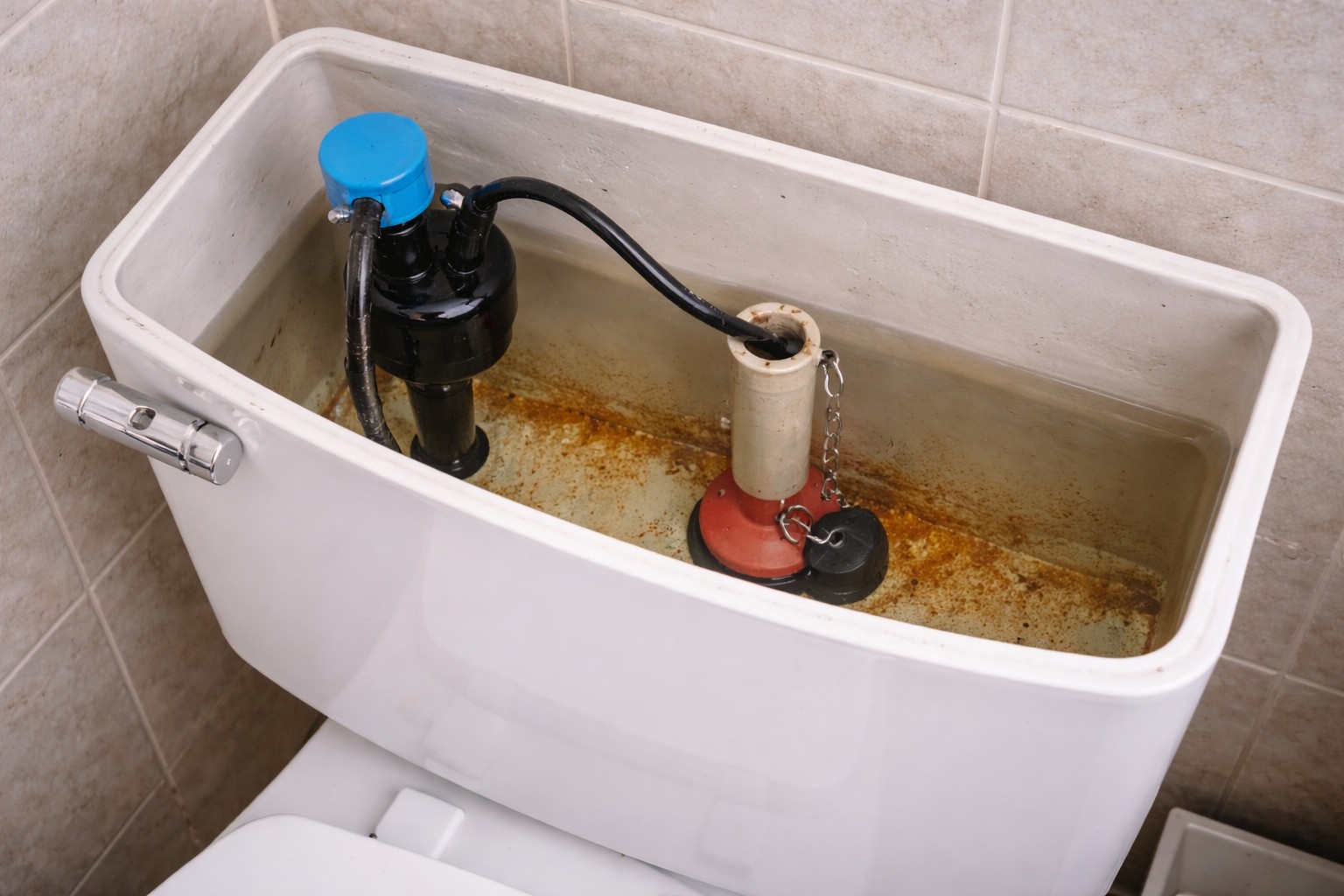
If the toilet refill valve slams loudly right after a pressure surge, the surge is forcing the fill valve to close hard. Common fixes are to measure the pressure, isolate the PRV or backflow device to find the source, and record when the surges happen so you can correlate them with sprinkler cycles, utility work, or PRV adjustments. In many cases replacing or adjusting the fill valve and controlling the incoming pressure fixes the noise and prevents repeat damage.
Why This Happens
A sudden rise in water pressure sends a rush of water into the toilet supply. The fill valve’s float and sealing parts are pushed hard and the valve can “slam” shut, producing a loud bang. Sources include utility line work, pump starts in a private well, or a failing or recently adjusted pressure reducing valve (PRV). A stuck or stiff backflow preventer can also cause similar pressure pulses. These events can damage other fixtures and appliances over time — for example, Pressure surge after PRV adjustment is a known trigger when a PRV is mis-set or malfunctioning.
Step-by-Step What to Do
Step 1: Install a pressure gauge
- Attach a temporary water pressure gauge to a nearby hose bib or to the supply for the toilet (use the correct adapter). Follow the gauge manufacturer’s instructions.
- Turn the water on slowly and note the steady pressure and any spikes. Do this at different times of day.
- If you’re unsure how to attach a gauge, ask a plumber or hardware store for a basic demonstration rather than guessing.
Step 2: Monitor surge timing
- Keep a simple log of when the slamming happens (time of day, frequency, and whether other fixtures make noise at the same moment).
- Compare times against known events: sprinkler cycles, high-use times, municipal maintenance notices, or well pump cycles.
- This helps decide if the source is inside your house plumbing or from the water supply.
Step 3: Isolate the PRV and backflow device
- If your home has a PRV with isolation valves, close the appropriate isolation valves to temporarily remove the PRV from the house system and see if the surges stop. Do this carefully and only if you know which valves to operate.
- If you have a backflow preventer, do not disassemble it yourself. Use the isolation valves to test whether it’s contributing, or call a tester/plumber.
- If closing valves is unfamiliar or the house pressure becomes unsafe, stop and call your water utility or a plumber.
Step 4: Check and service the toilet fill valve
- Inspect the fill valve for wear, a loose float, or debris. Tighten the supply nut and flush the valve per the manufacturer’s instructions.
- Consider replacing the fill valve with a modern quiet model if it’s old or repeatedly slams after surges.
Step 5: Control long-term pressure
- If pressure readings show repeated high spikes, plan for a permanent solution: PRV repair or replacement, installation of surge arrestors, or involving the water utility for upstream problems.
- Have a licensed plumber make PRV adjustments or install devices that protect fixtures; improper PRV work can make problems worse.
What Not to Do
- Do not ignore surges—they cause fixture and appliance failure.
- Do not disassemble a PRV or backflow preventer unless you are trained. These devices affect the whole house and can cause contamination or damage if mishandled.
- Do not assume the toilet is the only affected item. Repeated pressure spikes can wear out cartridges, seals, and appliances — remember that Pressure spikes damage faucet cartridges.
When to Call a Professional
- You notice regular high-pressure spikes on the gauge or pressure exceeds 80–100 psi.
- Isolating the PRV or backflow device is unclear or causes system instability.
- Noise continues after replacing the toilet fill valve, or multiple fixtures show damage.
- You suspect the water utility or well pump is causing the surges and need official testing or pressure control.
Safety Notes
- Turn off the main water supply before doing any work that requires disconnecting supply lines. Open a faucet to relieve pressure before disconnecting fittings.
- Use the correct gauge and adapters. Threaded connections should be hand-tightened and then given a small wrench turn—avoid cross-threading.
- When in doubt, stop and call a licensed plumber. Improper work on PRVs, backflow devices, or the main supply can create safety and contamination risks.
Common Homeowner Questions
What immediate action should I take when the toilet slams after a surge? — Install a temporary pressure gauge, log the event times, and replace an obviously worn fill valve if comfortable doing so.
Can I adjust the PRV myself to stop the surges? — No; PRV adjustments can cause higher pressure or system problems. Have a plumber or your water utility handle PRV settings.
Will replacing the toilet fill valve fix the problem permanently? — It may stop the noise, but if surges continue the new valve can still be damaged. Find and address the pressure source for a long-term fix.
Related Articles
If you’re troubleshooting a similar symptom, these guides may help:
For the full directory, see Pressure Spikes & Sudden Surges.