After shaving, actual captured hair is useful evidence but does not prove the overflow channel is the blocked part. Capture loose hair outside the drain rather than force it through a hidden passage.
For strong, widespread or unexplained gas-like fumes, exposure symptoms, or suspected high sewer-gas concentrations in an enclosed space, leave the building immediately and call the fire department or emergency services from outside. Avoid flames, switches and other ignition sources; do not remain to ventilate, sniff drains or investigate. Smell intensity does not measure the concentration. A faint localized drain odor without those warning signs calls for a different plumbing investigation; it does not automatically establish a fuel-gas leak.
If fuel gas is suspected, leave the building or affected area immediately. Do not operate valves, switches, plugs, appliances or phones there. Call the gas emergency service from a safe location well away, and wait for responders’ clearance.
Keep away from wet electrical equipment. Do not touch wet appliances, plugs or switches, or enter water to reach a breaker. When no gas leak is suspected, power may be isolated only from a safely accessible dry location; otherwise call an electrician or emergency help. Wet equipment needs qualified assessment before it is used again.
For wastewater rising from a drain or affecting several fixtures, stop adding water and keep affected appliances from discharging using only safely accessible dry controls when no gas emergency is suspected. Avoid sewage contact, keep children and pets away and arrange prompt drainage help. Notify building management or the sewer agency as appropriate. Do not run fixtures to locate a shared blockage.
Record the actual fixture and original event
- Actual grooming use, visible material and stopper design.
- Whether the original problem was basin backup, inlet return or external leakage.
- Products, prior cleaning, recurrence and any work or damage.
What the evidence establishes
Timing with shaving does not locate every deposit. A full-basin leak can involve more than a stopper clog, and an overflow is not a hair-disposal flushing route. Actual retained hair and receiving behavior are separate evidence.
Before more water, tools or chemicals
If a cleaner may be present, identify the exact product and follow its label. Do not add another cleaner, acid, bleach, ammonia, vinegar or an improvised neutralizer. Do not plunge, snake or open the trap while hazardous residue may remain; tell the provider what was used. A rinse or elapsed time is not proof all residue is gone.
Keep cleanout caps closed. Do not loosen a cap to check a water level, watch a basin dump or release pressure; sewage and gas may escape. Do not climb to vents, enter pits or tanks, or use a flame to investigate an odor. Those checks need the appropriate qualified provider and controls.
What to do next
- Use actual intended removable stopper/catcher care in a suitable ordinary case. Do not pull a retained stopper or probe an unknown cavity with tweezers merely because gloves are on.
- Do not use a cup, sprayer or hand pump for strong repeated overflow flushes after each shave or daily. Pressure and material compatibility need actual fixture approval.
- Serviceable-trap work is a separate bounded case with known contents, inactive sources and complete refitting. It is not required after every shaving-related slowdown.
- Do not run a steady warm minute or automatically repeat trap cleaning/snaking to certify clearing. Recurrence, actual return and hidden wet material need appropriate assessment.
Limits for ordinary accessible care
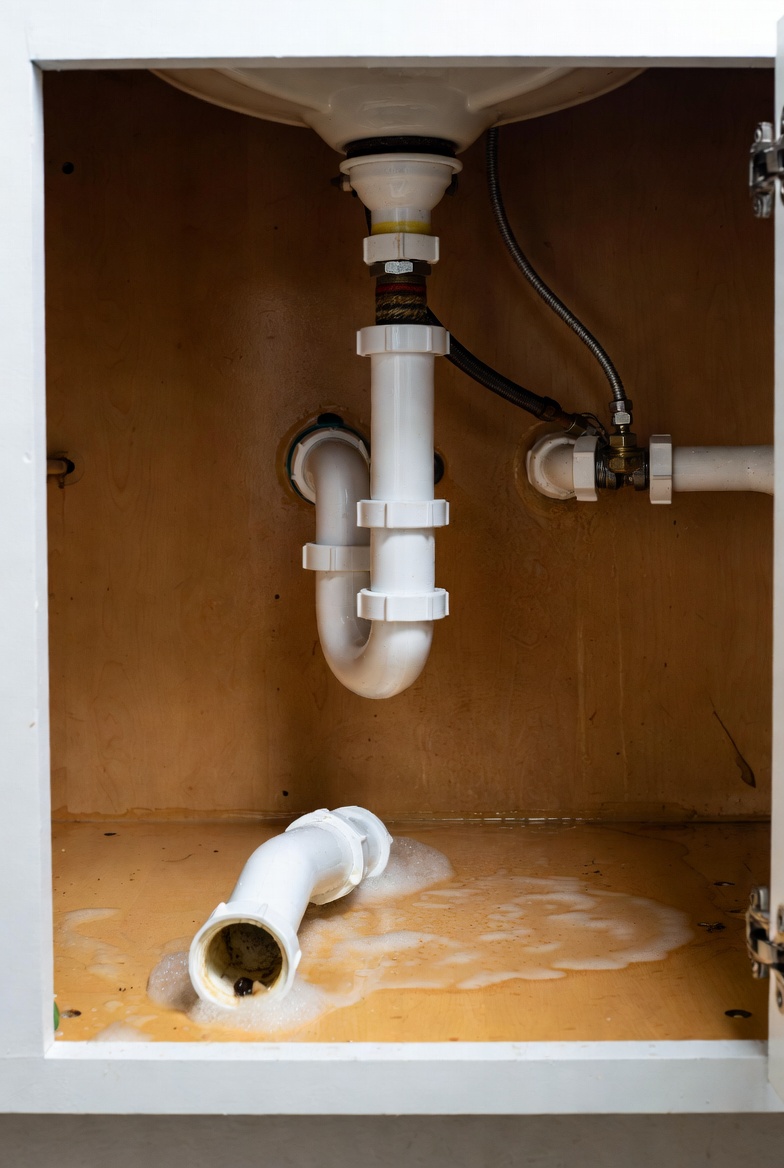
Ordinary surface care belongs only in a suitable safe case with no gas, sewage return, hazardous residue, unsafe electrical access or damaged/uncertain fixture. Keep the faucet and connected inputs inactive. Identify the actual sink/stopper maintenance instructions and remove only an intended owner-removable part. Capture suitable loose debris outside the drain and use compatible nonabrasive surface care; a soft cloth may be required instead of a brush on a particular finish. Do not force a tool into hidden passages or loosen a sealed drain body for routine cleaning. Any separately appropriate serviceable-trap care needs known cool retained contents, adequate containment, actual compatible seals and complete refitting before a small attended cool-water check. Never run water into a disconnected drain or during adjustment. Stop for leakage, rise or uncertainty.
How often should I pump-flush the overflow to prevent hair buildup?
Do not adopt that as routine maintenance. Maintain the actual compatible catcher and accessible parts, capture hair outside the drain and use the fixture’s real maintenance instructions.
Use appropriate assessment for recurrence, actual return, external leakage, damaged material or uncertain hidden connections. A particular cleaner, cable, wall opening, new sink or one-visit cure is not selected by the symptom alone. Existing observations are enough to ask for help; no repeat flood or mandatory cleaning quota comes first.
Related guides
- Overflow only leaks when sink full
- Overflow leaking inside wall
- Overflow Channel Backups
- Bounded ordinary bathroom-sink care
Safety sources
- Wisconsin DHS: sewer-gas exposure and emergencies
- Con Edison: suspected gas leaks
- CDC: electrical hazards near water
- Madison Metropolitan Sewerage District: stop discharge and report sewer backup
- Example drain-opener label: restrictions on plunging, disposal operation and mixing
- Delta example: identifying and removing a retained sink stopper