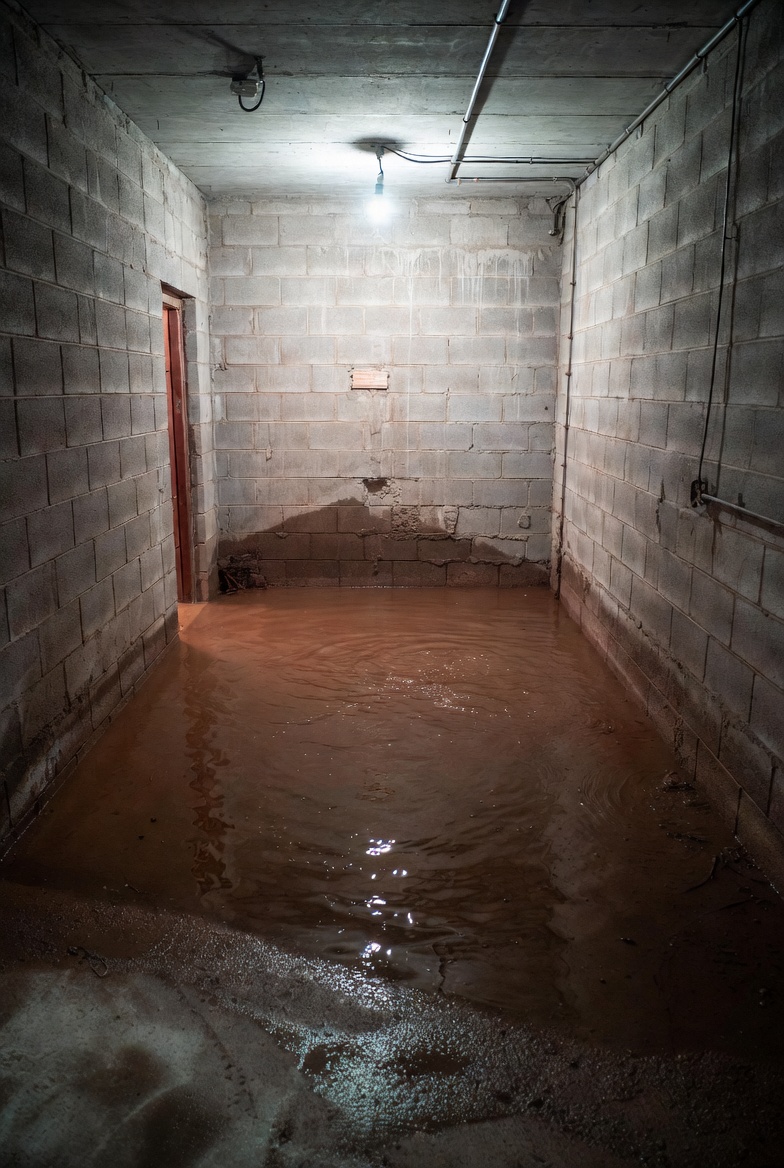
Quick Answer:
If a floor drain starts overflowing when the city water comes back on, don’t panic. Start by slowly turning the main back on and opening several fixtures to clear air and sediment from the supply lines. Check the nearest cleanout and run a hose to confirm wastewater can move downstream. Inspect check valves and backflow preventers for debris or failure and look for dislodged sediment at trap primers and floor drains. If the overflow keeps happening, or you see sewage or discolored water, call a professional.
Why This Happens
When water service is interrupted and then restored, pressure changes can dislodge sediment, rust, or debris that has settled in traps, primers, and valves. That material can block drains or push wastewater back out of floor drains. Sudden pressure surges can also momentarily overwhelm traps and small check valves. This situation is similar to other restart problems like a overflow after turning water back on and sometimes resembles issues seen when plumbing sits unused during an overflow after vacation.
Step-by-Step What to Do
1. Stop further flow and assess
- If the overflow is active, shut off the water at the main or at the local shutoff for the affected area to stop additional pressure changes.
- Wear gloves and boots—this could be sewage-contaminated water.
2. Slowly restore supply at the main
- Open the main slowly — no full-blast openings. Turn it just a little at first, wait a minute, then open a bit more until fully on. This reduces pressure shocks.
- Immediately open several fixtures (tubs, sinks, hose bibs) on both hot and cold to let air and loose sediment purge from the lines.
3. Open the nearest cleanout and check downstream flow
- Locate the nearest sewer cleanout (usually a capped pipe near the house foundation or in the yard). Remove the cap and watch or feel for flow.
- Run a garden hose into the cleanout for a short test run—if water flows away smoothly, the downstream sewer line is likely clear. If it backs up, the problem may be in the main sewer or municipal system.
4. Inspect backflow preventers and check valves
- Look for debris, broken parts, or visible leaks at any backflow preventer or check valve. These devices can trap sediment or fail after pressure events.
- If you see parts clearly broken or stuck, stop and call a plumber—don’t try major repairs yourself unless you’re experienced.
5. Check trap primers and floor drains for dislodged sediment
- Remove the floor drain grate and use a flashlight to look into the trap. Sediment can be pushed into the trap primer or drain opening and cause overflow when water returns.
- Use a wet-dry vacuum or carefully flush the drain from the cleanout to remove loose material. Take care with contaminated wash water.
6. Flush and monitor
- With the main fully and properly opened and fixtures running, let water run for several minutes to flush lines and observe for reoccurring backflow or discolored water.
- Keep an eye on nearby fixtures and the sewer cleanout for signs of continued blockage or pressure surges.
What Not to Do
- Avoid opening the main full blast. Sudden pressure can dislodge more debris and make overflow worse.
- Do not reconnect appliances (water heaters, dishwashers, washers) before you flush supply lines and confirm the water is clear.
- Do not ignore persistent backflow, foul or discolored water, or ongoing pressure surges—these are signs of a real problem.
- Call a pro when backflow continues, pressure surges recur, or sewage contaminants appear.
When to Call a Professional
- The overflow persists after you slowly restored water and flushed lines.
- You find sewage, strong sewage odor, or discolored water that won’t clear.
- Backflow happens repeatedly or a check valve or backflow preventer appears to be damaged.
- Your cleanout shows backing that suggests a blocked main sewer line or municipal issue.
- You’re uncomfortable working near sewage, electrical outlets, or gas appliances—call a licensed plumber.
Safety Notes
- Treat overflow as potentially contaminated. Wear gloves, eye protection, and boots. Wash hands and disinfect exposed skin afterward.
- Avoid running electrical equipment in standing water. Turn off power to affected areas if water reached outlets or appliances.
- Do not attempt major valve replacements or underground sewer work without proper tools and training.
- Dispose of contaminated materials (rags, mop heads) safely and follow local guidance for sewage cleanup.
Common Homeowner Questions
- Can turning the water on slowly fix the overflow? Often yes—slowly restoring pressure and flushing lines removes air and loose sediment that cause temporary backflow.
- Is a broken check valve the most likely cause? Not usually; check valves can fail, but sediment and pressure surges are common causes after an outage.
- How long should I wait before calling a plumber? If the overflow or backflow continues after flushing and checks, call a plumber right away—don’t wait if sewage is present.
More in this topic
For more related fixes and similar symptoms, see Kitchen Sink Overflows & Sudden Backups.