Quick Answer:
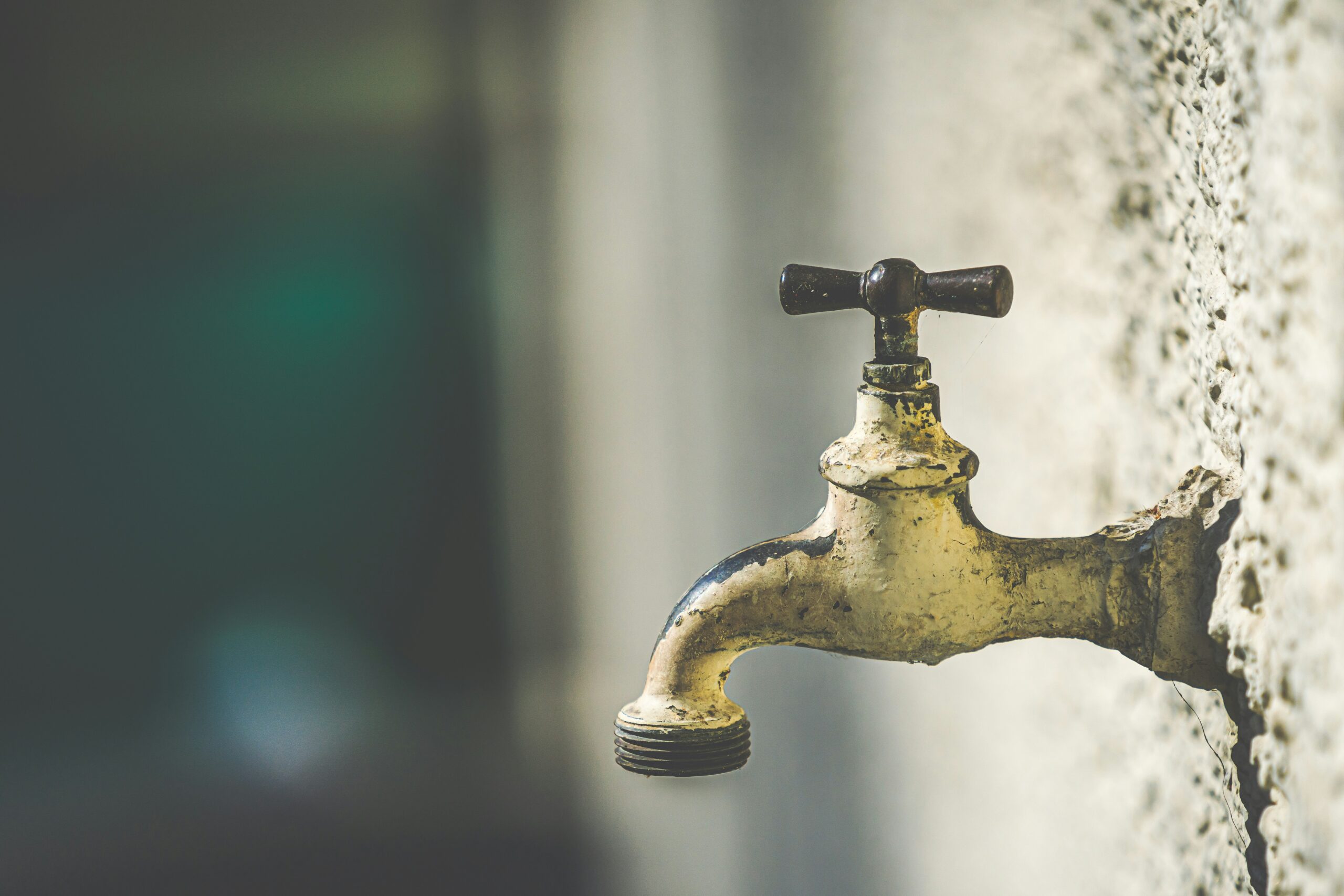
If rust is forming around the spigot threads, first unscrew the hose, look for loose rust flakes, and brush the threads lightly. Small surface rust can often be cleaned and protected. If the metal is severely pitted or the spigot leaks, replace it or call a plumber.
Why This Happens
- Exposure to moisture and air causes iron and steel parts to oxidize and form rust.
- Hoses left connected trap water at the connection and keep the threads damp, speeding corrosion.
- Galvanic corrosion can occur where different metals touch (for example, a brass spigot with a steel coupling).
- Old or damaged protective plating wears off and threads are exposed to the elements.
Step-by-Step What to Do
1. Shut off and relieve pressure
- Close the spigot and, if possible, shut off the water supply to the outdoor valve at the isolation valve or main shutoff.
- Open the spigot briefly to relieve any pressure and drain residual water.
2. Unscrew the hose
- Remove the garden hose by hand. If it’s stuck, use a strap wrench or channel-lock pliers with a cloth to protect the spigot finish.
- Work gently to avoid bending or twisting the spigot body.
3. Inspect threads for rust flakes
- Look closely at the male and female threads for loose rust, flaky material, or deep pitting.
- If you see only surface discoloration and light flakes, cleaning is usually enough. If the metal looks eaten away or threads are rounded, consider replacement.
4. Brush lightly
- Use a soft wire brush, a nylon brush, or an old toothbrush to remove loose rust. Brush gently — the goal is to clear flakes, not to re-cut threads.
- After brushing, wipe with a damp cloth and let dry completely.
5. Clean, protect, and test
- Apply a light coating of plumber’s grease or silicone-based lubricant on the threads (avoid petroleum on rubber parts).
- Reattach the hose and test the spigot under pressure. Check for leaks and re-inspect the threads after a few hours of use.
- If leaks persist or threads are badly damaged, replace the spigot or the threaded fitting.
6. Prevent future rust
- Disconnect hoses when not in use and drain them to avoid trapping moisture.
- Consider a frost-free spigot or a spigot with corrosion-resistant materials if you replace the valve.
What Not to Do
- Do not file threads aggressively — that can change thread shape and cause leaks or cross-threading.
- Do not use strong acids or bleach to remove rust; they can harm nearby metal and seals.
- Avoid forcing a stuck hose off with excessive torque that can break the spigot body.
When to Call a Professional
- Visible deep pitting, holes, or a spigot that leaks when fully closed — have a plumber replace it.
- If the spigot assembly won’t loosen and you risk breaking the pipe behind it, call a pro to avoid costly damage.
- For complex issues like corroded supply lines inside walls or if you suspect a frozen, burst connection.
- For related problems such as Outdoor Spigot Drips for Minutes After Shutoff or odd noises, a plumber can diagnose and fix underlying causes.
Safety Notes
- Turn off the water supply before doing any extended work on the spigot.
- Wear gloves and eye protection when brushing rust to avoid injury from flakes or debris.
- Use the right hand tools and protect finishes with cloths to avoid slipping and damage.
- If you’re uncomfortable shutting off valves or removing fittings, contact a professional.
Common Homeowner Questions
- Can I stop rust with spray paint? Paint can slow surface rust but won’t fix pitted metal or stop corrosion that’s already under the surface.
- Is a little rust a reason to replace the spigot? Not usually — light surface rust can be cleaned and protected. Replace if threads are weak or it leaks.
- Could this cause pipe damage? Left unchecked, corrosion can spread to fittings and cause leaks, so inspect and address rust early. Also see Outdoor Spigot Makes Screeching Noise for related maintenance tips.