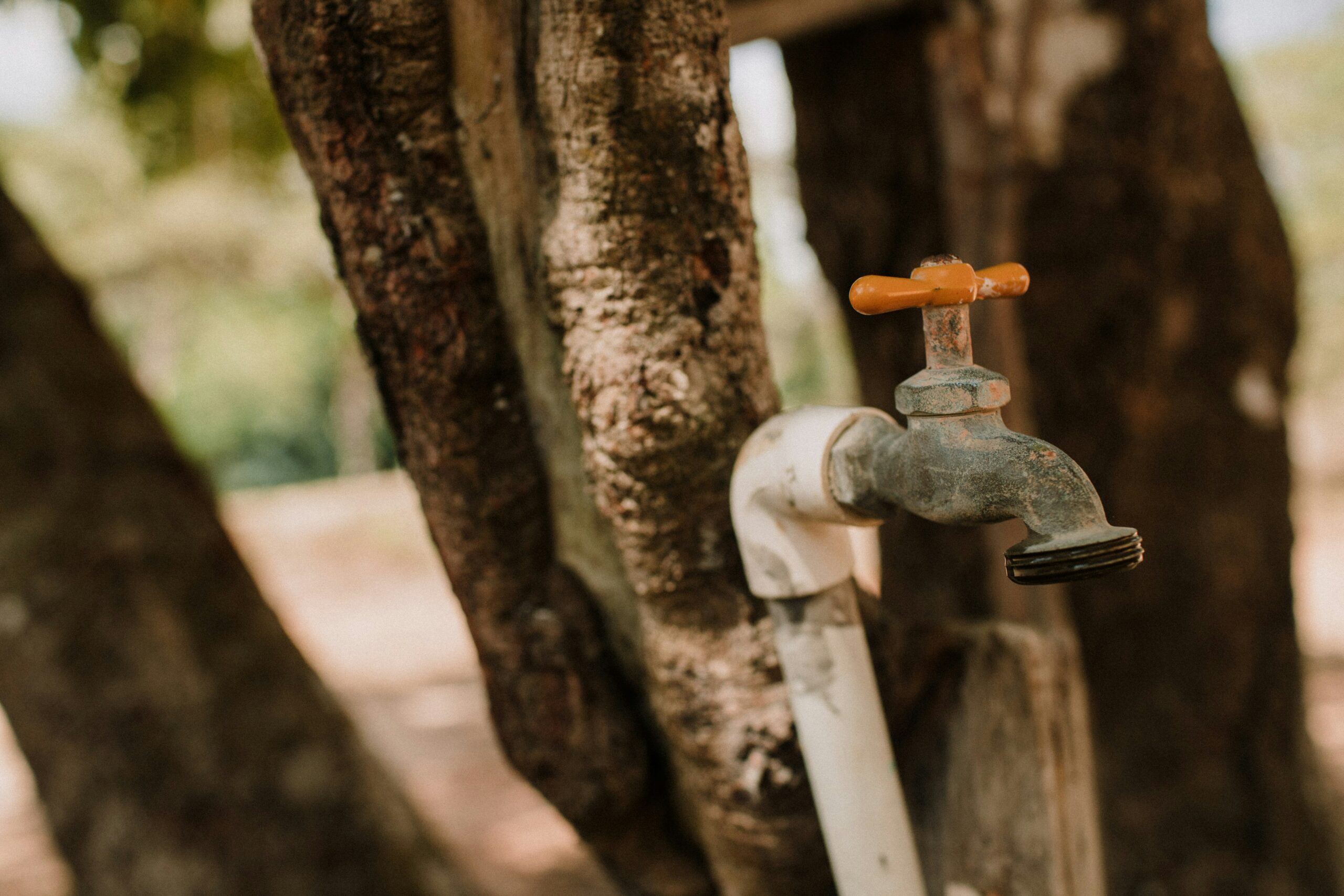
Basement wetness noticed when an outdoor faucet is used can involve a faucet barrel, connection or another water path. The existing timing is enough to stop use; reopening a suspected hidden leak is not necessary to prove the correlation.
Keep away from wet electrical equipment. Do not touch wet appliances, plugs or switches, or enter water to reach a breaker. When no gas leak is suspected, power may be isolated only from a safely accessible dry location; otherwise call an electrician or emergency help. Wet equipment needs qualified assessment before it is used again.
Contain without another leak test
Close the faucet if safely reachable, then isolate its supply with a known effective homeowner control. If necessary use the safely accessible known main control. Keep the branch isolated for suspected damage. Do not send a helper inside and reopen it while looking for new drips. If containment fails, water reaches electrical equipment or structural safety is uncertain, obtain urgent qualified help.
Record safe existing evidence
- Photograph the existing wet area from dry safe access and note the original faucet, hose and valve states.
- Use an existing safe dry access opening only. Do not cut walls, reach behind wet equipment or enter an unsafe crawlspace.
- Stains and runoff can travel; record the first observed wet point without claiming it proves the failed joint.
Distinguish containment from backflow
A cross-connection or check-valve concern involves an actual reverse-flow path and pressure conditions. It does not by itself explain water escaping into the basement; a containment failure or another actual path still has to be identified. A freeze-damaged self-draining barrel may leak only during faucet use, but timing alone does not prove that fault.
Repair and cleanup
Before removing a bonnet, packing, operating rod, cartridge or pressure-retaining breaker part, identify the exact model and its approved service procedure. Close a known effective homeowner supply control for every feed, control other connected inputs, and relieve and verify pressure at the actual serviced segment. A different indoor tap may not relieve an isolated outdoor branch. Stop if flow continues, the control is uncertain or parts bind. Use compatible approved parts and fully secure all pressure-retaining and protective components before an attended restoration. Re-isolate and verify relief before further disassembly. Cosmetic handle trim and maker-permitted external packing adjustment are different operations; neither authorizes loosening an unknown retainer under pressure.
Do not tighten a live unknown joint and retest. Compatible fitting or faucet work needs actual access, support and service instructions. After source control, assess electrical, sewage, mold and material hazards before handling wet insulation or operating fans or a wet/dry vacuum. Appropriate rated cleanup equipment can be useful only with safe dry power access and the correct hazard controls. Arrange qualified drying or remediation where needed; do not cover wet framing.
A justified final check
After the actual source is corrected, use the planned fully assembled restoration and receiving procedure, with accessible areas attended. Re-isolate for renewed leakage. Record the repair and drying evidence rather than using a dry-looking surface or a short successful run as proof of the whole cavity’s condition.