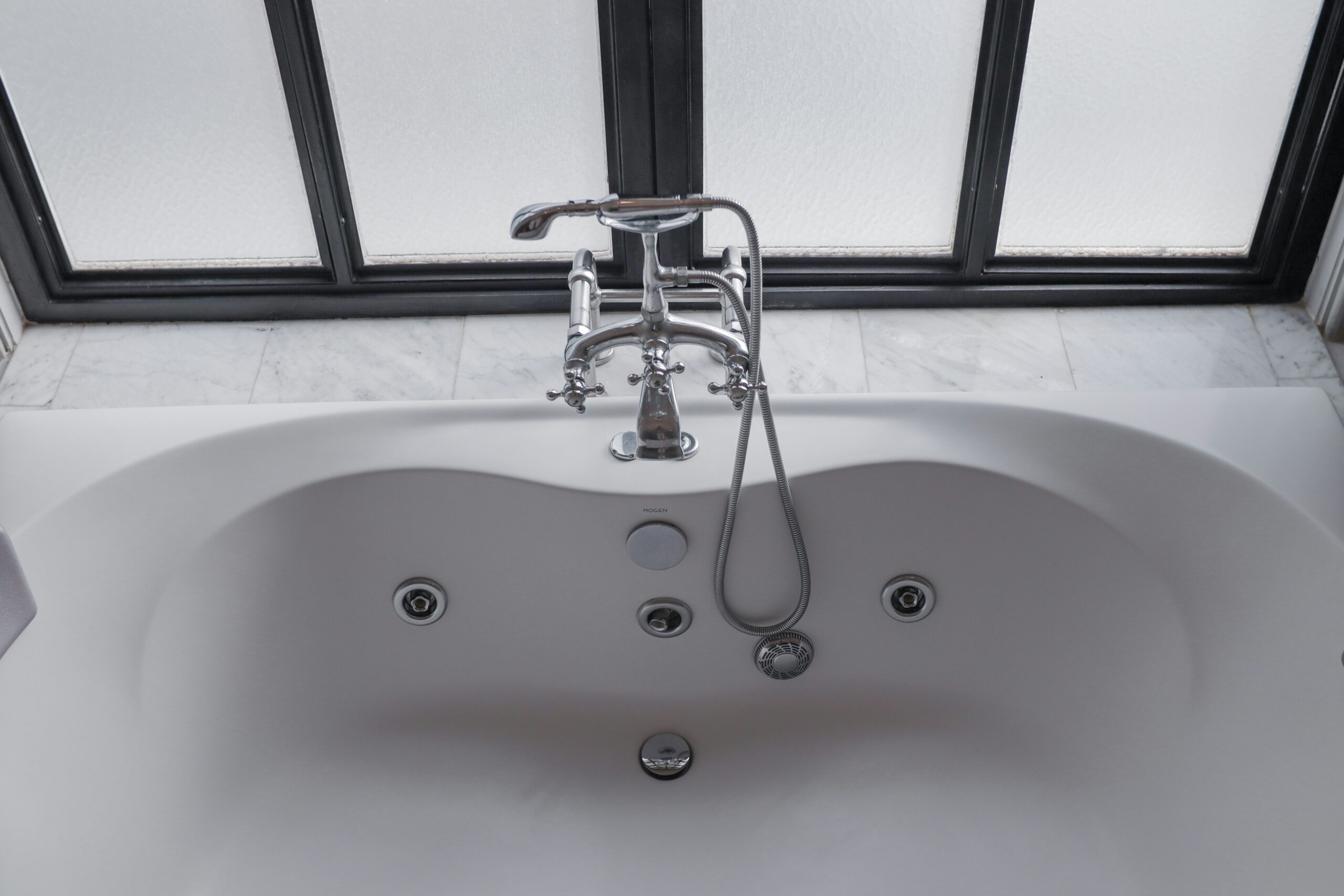
A film already seen in a bathtub may involve the tub surface, bath products or delivered water. Preserve that distinction before filling the tub again. A tub-only report is useful context, not proof that the branch is contaminated or the whole-house supply is cleared.
Decide what use is appropriate
If strong chemical or fuel-like fumes, breathing difficulty or another immediate exposure hazard is present, leave the affected area and call emergency help from safety. Do not stay to sniff, ventilate or run appliances to identify it. Follow any emergency or water-use notice.
For a new unexplained water-quality change, use a known-safe supply for consumption while you obtain supplier advice. Avoid deliberate taste, skin-feel and hot-water comparison tests. Boiling is not a remedy for unknown chemical contamination. Ask separately about bathing, laundry and other contact uses; a drinking restriction and a do-not-use notice have different limits.
Record where the observation occurred
- Whether the film appeared on a damp surface, existing standing bathwater or during an ordinary fill.
- Bath oils, lotions and cleaners already used, with the tub/trim material and product labels.
- Recent spout/diverter/pipe work and any other existing water or backup observation.
What it does and does not show
A tub can retain personal-care residues, but an unknown film cannot be assigned to them from location alone. Closing another fixture or branch changes flow and mixing; disappearance does not uniquely isolate the source. A bathtub spout is not necessarily fitted with a removable faucet aerator.
What to do next
- For a known bath-product surface residue with no water-quality warning, use the tub maker’s finish-compatible routine cleaning instructions. Do not mix products or put solvents into plumbing.
- For a new unexplained film or contact concern, pause the affected bathing use and obtain appropriate water-use advice. Do not fill to investigate or use a hand/hot-water comparison.
- Do not run full blast, close unidentified branch valves or remove a diverter/retained spout part as source tests.
- Give the provider the actual fixture and product/work records. Appropriate owner-removable head or trim care requires its actual method; concealed branch or wall work needs separate evidence.
Sampling and any directed restoration
Ask the supplier, local health department or a state-certified drinking-water laboratory which substances and locations fit the history. Get its containers, collection and delivery instructions before taking a sample. Ask before flushing, cleaning an outlet or changing treatment: those actions can alter the evidence. A household jar, paper towel or toilet-bowl sample is not a universal drinking-water test.
If flushing is appropriate, use the actual supplier, installer or product procedure with sound fully assembled plumbing, an accepting drain and continuous attendance. Stop for leakage, backup or a new hazard. No universal number of minutes, hot-appliance cycle or clear-looking endpoint establishes that an unknown substance is removed.
Can I isolate a tub problem by shutting its branch and testing other taps?
That changes the system and may affect mixing or leave other paths. It does not certify the other taps or locate a contaminant. Use the actual layout and suitable provider sampling instead of a branch-closure verdict.
Related guides
- Soapy feel in shower water
- Water feels slick or oily
- Oily Sheen, Slick Feel, or Soapy-Like Water
- Water feels greasy after winterization
- Oily sheen in toilet bowl