Quick Answer:
If you notice a moldy or musty smell right after a repair, it’s usually trapped water, debris, or disturbed biofilm in that branch of the plumbing. Start by flushing the repaired branch line into a bucket to catch sediment, then run the line and nearby fixtures to purge the system. If the smell stays after flushing and cleaning fixtures, call a plumber.
Why This Happens
Repairs can loosen old mineral deposits, sludge, or bacterial film inside pipes. That material can release a musty odor until it’s washed away. Trapped sections, slow-draining traps, or partially capped branch lines are common culprits. If the repair touched pressure devices or valves, you might want to check related parts—see Musty smell after PRV install. If the odor seems to be coming from the water itself rather than the pipe surfaces, check guidance on Musty smell in tap water.
Step-by-Step What to Do
1. Start with a simple smell check
- Open the room windows for ventilation.
- Check whether the smell is strongest at the repaired fixture, at other nearby fixtures, or at the main supply.
2. Flush the repaired branch into a bucket
- Attach a hose or hold a bucket under the repaired outlet and run cold water for a minute or two to collect any immediate debris.
- Inspect the bucket for discolored water or particles—this confirms material being flushed out.
3. Purge the line and nearby fixtures
- Open the repaired fixture fully and run it for several minutes. Then open other fixtures on the same branch and run them one at a time to push water through the section.
- If you have a separate branch isolation valve, open and close it to help move trapped water.
4. Clean removable parts
- Remove and clean aerators, screens, and faucet heads; soak them in vinegar or soapy water and rinse well.
- Wipe visible fittings or the area around the repair with a household cleaner and dry thoroughly.
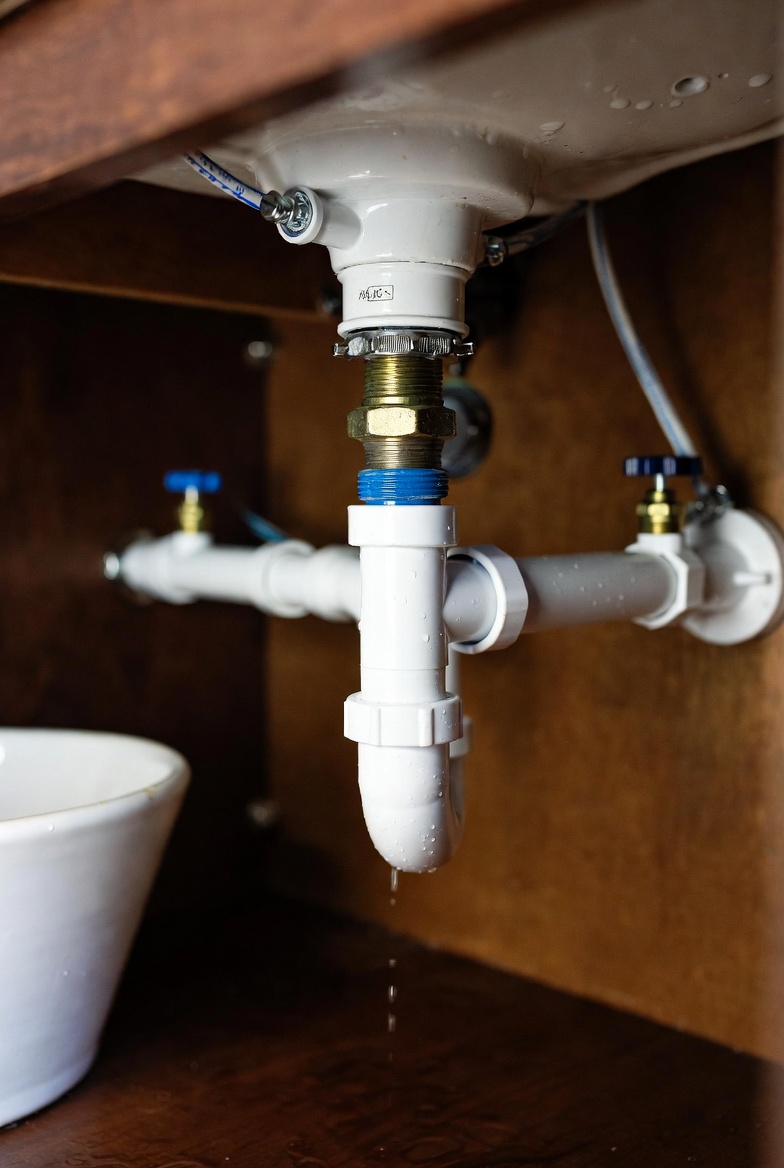
5. Check traps and vents
- Confirm the P-trap under the fixture contains water and isn’t dry; a dry trap will let sewer or musty air through.
- If you suspect a venting issue (gurgling drains or persistent odor), note that for the professional call.
6. Repeat and observe
- After flushing and cleaning, let the line sit for a few hours and smell again. If it’s gone, the flushing worked; if it lingers, you may need further cleaning or inspection.
What Not to Do
- Do not drink water after repair until flushed.
- Do not pour concentrated bleach or strong chemicals into the line without professional advice—this can damage materials or cause harmful fumes.
- Do not break open pipes or fittings beyond simple trap removal unless you have plumbing experience.
When to Call a Professional
- The smell persists after thorough flushing and cleaning.
- You see visible mold growth, continuous discoloration, or particles in the water.
- There are signs of a leak, slow drains across multiple fixtures, or a sewer-like odor.
- You suspect contamination of the water supply or a damaged venting system.
Safety Notes
- Wear gloves and eye protection when handling debris or cleaning parts.
- Avoid strong inhalation of musty or moldy odors—ventilate the area and keep children and pets away while you work.
- If you have immune or respiratory concerns, ask a professional to handle moldy or contaminated plumbing components.
Common Homeowner Questions
- Q: How long should flushing take? A: Usually a few minutes per fixture; repeat until water runs clear and odor fades.
- Q: Will vinegar alone remove the smell? A: Vinegar can clean aerators and small parts but may not remove buildup deep in pipes.
- Q: Could this be mold growing in walls? A: If the smell continues despite flushing and the repair was internal, consider a moisture or leak inspection for hidden mold.
For more related articles, see the Musty, Earthy, or Moldy Water Smell hub.