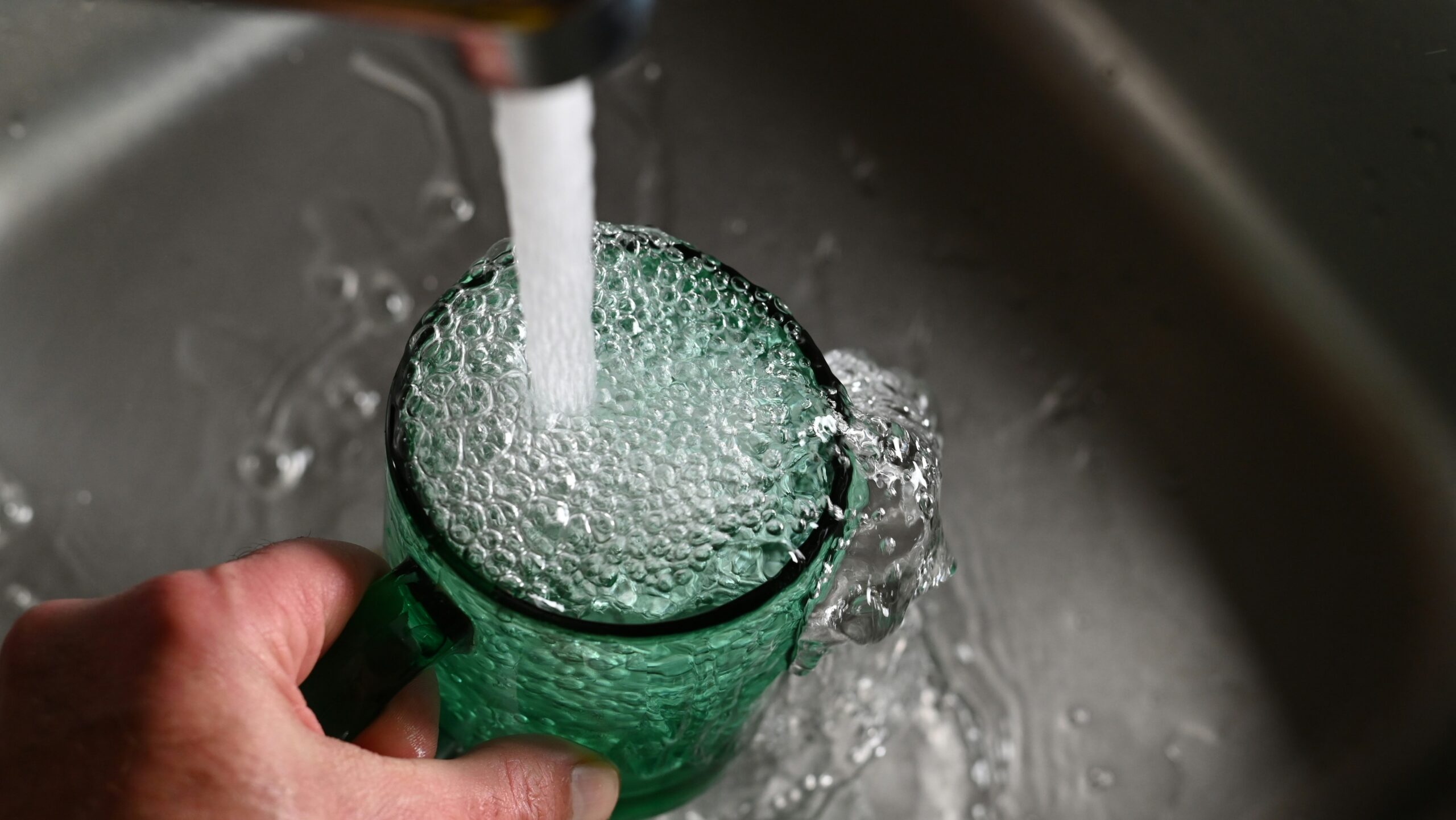
Musty tap odor is a description of the original event. Separate water delivered at the outlet from a nearby drain, container or damp material before blaming a heater, biofilm or the source.
Choose the response before a test
A musty description does not identify mold, bacteria or a chemical. A familiar provider-identified aesthetic odor can have ordinary-use instructions. For a new unexplained water change, use a known-safe supply for drinking, food and oral care while asking the supplier or local well-water authority about use and investigation. Follow actual notices for bathing and appliances. Odor fading, clear appearance and boiling do not clear an unidentified chemical concern.
Keep the existing record
- Original outlet, ordinary hot/cold use, whether odor was present in the room first and any current source notice.
- Recent fixture, treatment or plumbing work and observations already available at other outlets.
An identified aesthetic event is a different case
Some providers identify seasonal geosmin or MIB as the explanation for an earthy source-water taste or odor. Their event-specific assurance is not identification of an unrelated home’s water by smell. Ask your own provider whether its explanation applies; a new complaint need not imply that every musty odor is dangerous.
Avoid a heater-drain shortcut
A hot-only pattern may make the hot route relevant without identifying tank contents. Do not open a drain for a few gallons, remove an anode or heat water to test this odor. Actual heater service needs its full model procedure, including energy/feed isolation, safe temperature, retained-pressure control and full-water commissioning before heat returns.
Arrange any needed sample with the supplier or certified laboratory before flushing, removing an aerator or altering treatment. The substance and question determine outlet, container, timing and handling; a household glass or a screen rinse is not automatically a laboratory sample. A result covers what was actually assessed, not every possible concern. Do not taste or deliberately close-sniff water to identify it.
Keep cleaning and treatment specific
After source and sampling decisions, clean only actual owner-removable parts with flow off, safe cool access and the maker’s permitted tools, cleaner and refit. Retained screens, finishes and seals differ. Do not treat vinegar and bleach as interchangeable or successive generic steps, mix products or force a stuck insert. Internal work needs the relevant feeds/energy isolated and retained pressure released and verified before opening.
A carbon product may address an identified aesthetic substance if its actual claim and upkeep fit. It is not a universal bacteria, chemical or safety remedy. A generic bacteria/organic panel cannot promise to identify every cause.
Appropriate routine flushing or commissioning follows the actual supplier, installer and product directions with sound assembled plumbing, a suitable receiver and attendance. Stop for leakage, backup or unsafe hot discharge. A universal low-to-high route, timer or odor-free endpoint does not establish completion or safe use. Avoid spreading unresolved water into heaters and food appliances as a test.
Follow up on the actual concern
Report an unexplained new or recurring change promptly. Use water-source advice for water quality, the installer or maker for equipment, and suitable plumbing or building assessment for a real leak or drain concern. Do not wait through repeated flushes or another exposure to obtain help. Treatment and return to use need the actual findings and required completion steps.