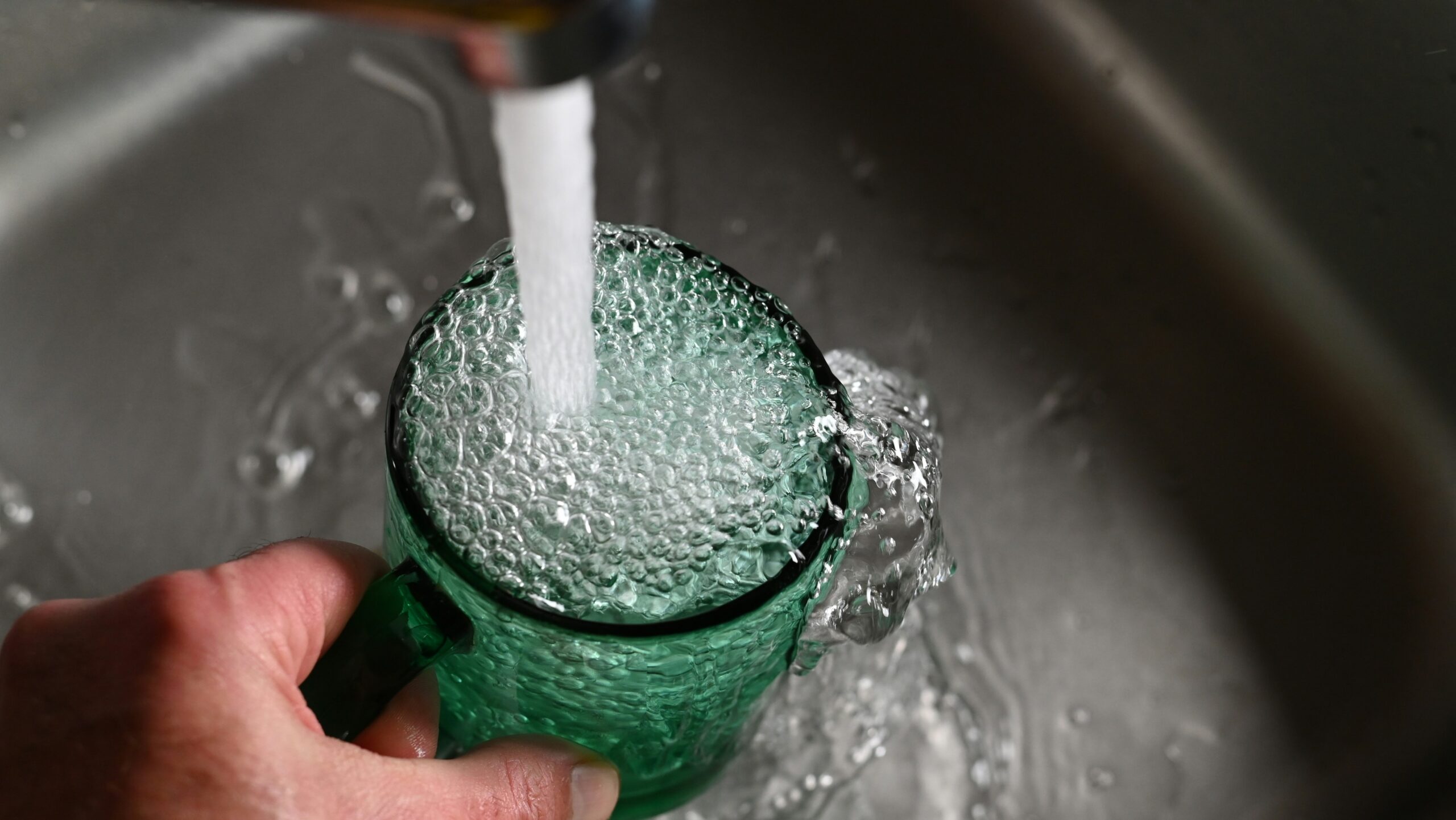
Quick Answer:
If you pour a glass and notice a metallic or coppery flavor, don’t drink any more until you check a few things. A metal taste can come from pipe corrosion, recent plumbing work, or water chemistry. Follow the steps below to see whether the issue is limited to one tap or requires a water test or plumber.
Why This Happens
- Corroded plumbing: Copper and iron pipes can corrode and leach small amounts of metal into water, especially if water sits in pipes for a long time.
- Recent work or changes: New fittings or pipe replacement can release residues or change flow patterns that expose fresh metal surfaces.
- Water chemistry: Low pH (acidic) or certain mineral balances increase the chance of metals dissolving into water.
- Water heater or well issues: Sediment or corrosion in a water heater, or minerals from a private well, can add metallic tastes.
- Localized vs. system-wide: If the taste is only at one faucet, the problem is likely local to that fixture or its connecting pipes; if it’s everywhere, it could be a system or source issue.
Step-by-Step What to Do
Step 1 — Stop drinking and note when it happened
Don’t keep drinking from the affected tap. Note when you first noticed the taste and whether anyone else in the home has the same experience.
Step 2 — Compare multiple cold taps
Compare taste at several cold taps to see if it is localized. Try the cold kitchen tap, a bathroom cold tap, and any outdoor spigot if available. Only test cold water — hot water draws more metal from pipes and gives misleading results.
Step 3 — Flush the pipes
Run cold water from the affected tap for several minutes to flush standing water from the lines. Re-test after flushing. If the taste clears, it may have been stagnant water in a short section of pipe.
Step 4 — Check recent work and fixtures
Think about recent plumbing repairs, new fixtures, or appliance changes. New copper or brass fittings can sometimes cause a temporary taste. For more on this, see Copper taste after pipe replacement.
Step 5 — Look for other signs
- Visible discoloration (greenish or reddish) in water suggests corrosion.
- Smells from drains or when running hot water can point to different problems.
- If only the shower has a metallic odor, consider reading about related issues like Metallic smell from shower to compare causes.
Step 6 — If the taste stays, get testing
If the metallic flavor persists after flushing and testing other taps, arrange for a certified water test that includes metals (copper, lead, iron). Your water utility may offer basic testing for customers; private labs can provide detailed results.
Step 7 — Short-term safety steps
- Use bottled water or an alternative source for drinking and cooking until you know the cause.
- Use only cold water for food and beverage preparation; do not use hot water from the tap for drinking.
- Consider a point-of-use filter certified to remove heavy metals if testing shows elevated levels.
What Not to Do
- Do not drink water with persistent metallic taste.
- Do not assume boiling will remove metals — boiling does not eliminate dissolved metals.
- Do not use hot water for cooking or drinking until the source is clear.
- Do not attempt major plumbing repairs yourself if you are not qualified; avoid making changes that could contaminate the system further.
When to Call a Professional
- Persistent taste across multiple taps after flushing or if testing shows elevated metal levels — contact a licensed plumber.
- If you see greenish or blue stains (copper corrosion) around fixtures or discolored water, call a plumber for inspection.
- If anyone in the household is pregnant, elderly, or immunocompromised and you suspect contamination, call your water supplier or a professional immediately.
- If you have a private well, contact a certified water tester or well contractor for a full assessment.
Safety Notes
- A single faint metallic taste that disappears after flushing is less likely to indicate a health hazard, but persistent taste should be treated seriously.
- Use only cold tap water for testing and for drinking until the issue is resolved.
- Keep a record of tests, dates, and any communications with your water utility or plumber to track the problem.
Common Homeowner Questions
- Why does my water taste like pennies? A penny-like or coppery taste often comes from copper pipes or fittings; check multiple taps and flush lines.
- Will boiling water remove metals? No. Boiling concentrates dissolved metals and does not remove them.
- How fast should I act? Stop drinking the water immediately if the taste persists, test or contact your utility, and call a plumber if multiple taps are affected.
Related Articles
If you’re troubleshooting a similar symptom, these guides may help:
For the full directory, see Metallic Taste, Copper Taste, or “Pennies” Smell.