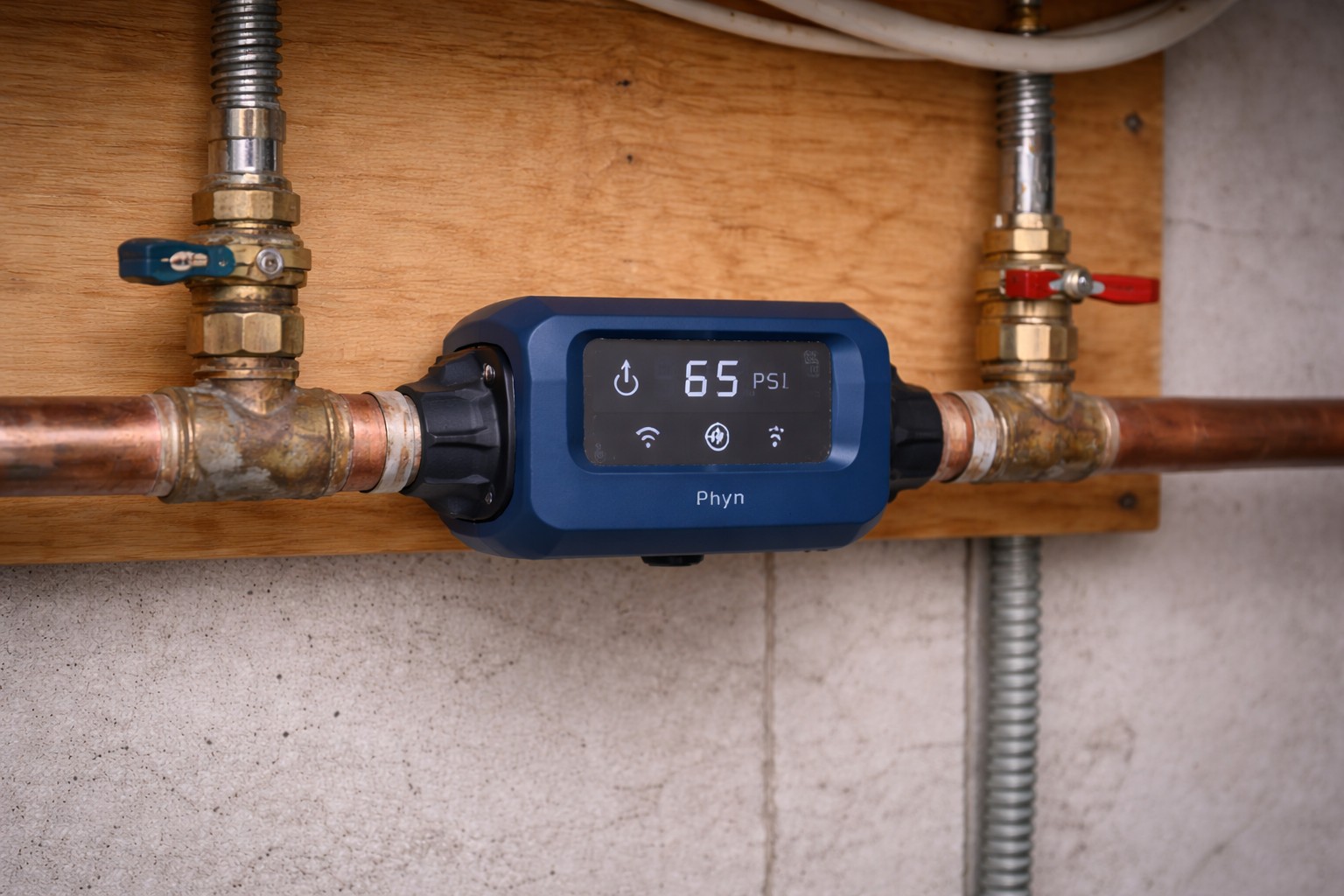
A chemical taste noticed after a smart shutoff installation deserves a callback to the installer and a water-quality report. It does not establish that rapid valve cycling drew chemicals into the home. Do not disable leak protection, bypass the device or repeatedly open and close it to compare tastes.
Start safely
For a new, strong or unexplained change: stop using the affected water for drinking, food preparation, brushing teeth and ice; use bottled water or another supply known to be safe. Do not deliberately taste it. Check your supplier’s current notice and report the change. Boiling does not make chemically contaminated water safe, and an ordinary filter is not an all-purpose treatment. Follow the actual notice for washing and other uses.
Record the details that narrow this case
- The device model, installation date, installer and materials listed on the invoice.
- Any app alert or recorded shutoff reason, viewed from a safe place. Preserve the event history.
- Commissioning, flushing or disinfection steps documented by the installer, plus any simultaneous filter or supply work.
How to interpret the pattern
| What you already noticed | What to do with that information |
|---|---|
| The device closed after detecting a leak | Establish the reason and resolve the leak before resetting it. A drinking-water taste problem is not a reason to override protection. |
| The change began immediately after installation | Ask the installer to verify potable-water suitability, parts, installation and prescribed commissioning. Timing supports investigation, not a finding against the device. |
| A utility event occurred at the same time | Give both timelines to the supplier and installer; do not assume one excludes the other. |
Useful next steps
- Use a known-safe drinking supply and contact the water supplier about the unexplained change. Ask whether sampling should occur before further flushing.
- Send the installer or manufacturer the existing model, materials and alert details through their normal support process. Ask them to explain what was installed and how it was commissioned.
- Keep protective settings in place. If the device is malfunctioning, obtain the actual manufacturer’s service procedure and qualified help rather than experimenting with manual or disabled modes.
- Once the concern is assessed, any authorized commissioning or routine maintenance should follow the exact equipment instructions. Water that seems normal afterward is not a chemical test result.
Can a slow open-close cycle prove that the valve caused the taste?
No. Repeated cycles change flow conditions but do not identify a substance, and may interrupt a protective function. A useful investigation checks materials, work history, the supply and appropriately selected samples. Keep the existing device logs rather than creating a new exposure experiment.
Related situations
- Chlorine taste after filter replacement
- Chemical smell after pressure change
- Chemical odor from kitchen faucet
- All chemical taste and odor situations
Sources and limits
General guidance cannot identify what is in your water. Follow the local water notice and the instructions for your actual equipment when responding to a real incident.