Quick Answer:
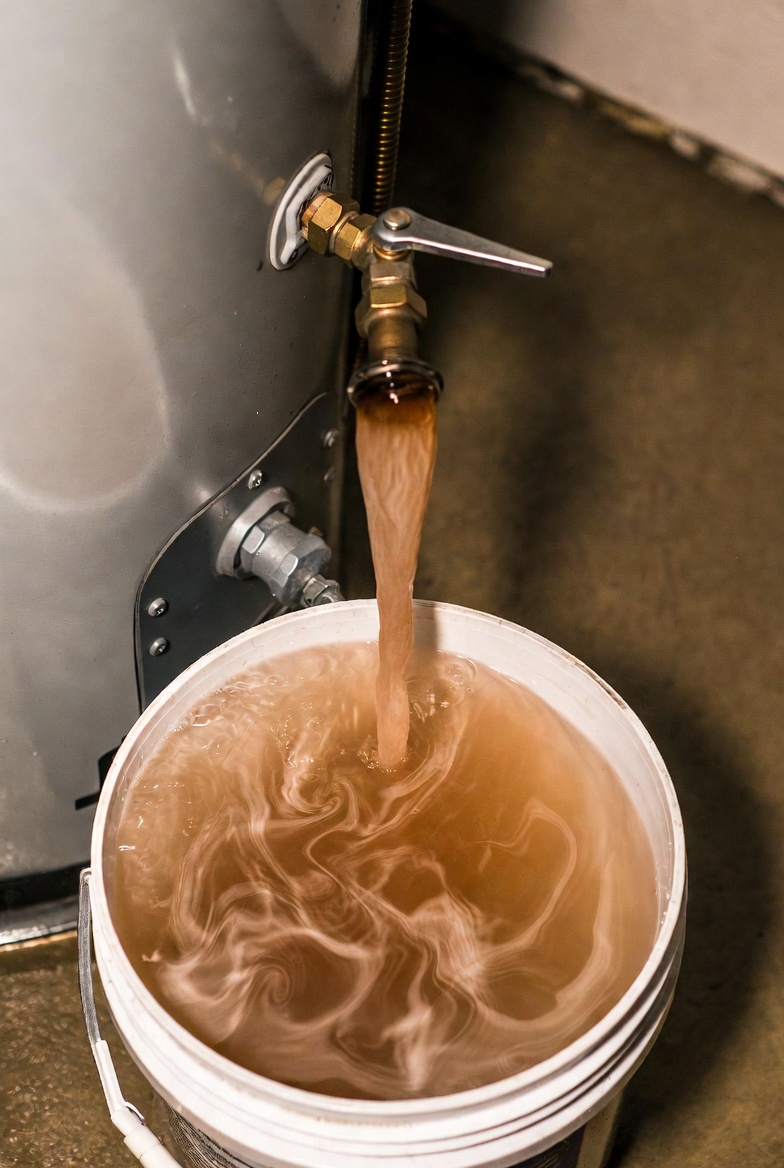
If you smell metal right after refilling a water heater, don’t panic. Draw water immediately after heater refill by running a cold tap for several minutes to flush the lines. The smell often comes from air and disturbed minerals contacting metal surfaces; it usually clears after flushing. If the odor continues or the water is discolored, stop using it for drinking and contact a professional.
Why This Happens
When a heater is drained and refilled, trapped air and disturbed sediment can expose metal fittings and heating elements to oxygen. That exposure can create a temporary metallic smell or taste as small amounts of metal oxides or mineral-laden water pass through your pipes. New or recently worked-on fittings, or water sitting in a pipe section, can also make the taste seem stronger than usual. If the smell appears only after the system sits, you may also relate to Taste worsens after sitting overnight as a similar symptom in other situations.
Step-by-Step What to Do
Step 1 — Draw water immediately after heater refill
- Open a cold-water tap closest to the heater (a laundry tub or a utility sink works well) and run it until the water runs clear and any odor fades. This removes trapped air and flushes out disturbed sediment.
- Plan to run water for several minutes — often 5–10 minutes is enough, but more may be needed for whole-house lines.
Step 2 — Flush the hot side
- After the cold side is clear, open a hot faucet and run hot water to pull fresh water through the heater tank and piping. Be cautious of hot water to avoid scalding.
Step 3 — Check nearby fixtures and aerators
- Unscrew faucet aerators and check for debris or discoloration. Clean and reattach them.
- Run multiple taps briefly to ensure the smell isn’t isolated to one fixture.
Step 4 — Look for visible corrosion or discoloration
- Visually inspect exposed fittings, valves, and visible piping for green/white scale or rust. Surface discoloration can indicate corrosion that needs attention.
- Do not attempt to open the tank or replace the anode rod yourself unless you are confident and the heater is powered off and drained safely.
Step 5 — Re-check and monitor
- If the odor fades after flushing, continue to monitor water for the next day. If it returns, note whether it appears only after the water sits, or after any filter or plumbing work.
- If you’ve recently changed filtration or plumbing, compare the symptom to issues like Metallic taste after filter install.
What Not to Do
- Do not drain heaters repeatedly to fix odor. Repeated draining can introduce more air, disturb more sediment, and stress the tank.
- Avoid adding household chemicals or cleaners to the tank unless directed by a professional or the manufacturer.
- Do not stick hands or tools into plumbing openings while the system is pressurized or powered.
When to Call a Professional
- If the metallic smell or taste persists after thorough flushing and running multiple fixtures.
- If water is discolored (brown, green, or black) or leaves stains on laundry or fixtures.
- If you see obvious corrosion, leaking, or if the heater is old and you suspect the anode rod or tank lining has failed.
- If you suspect contaminated water (taste or odor combined with illness, or if a vulnerable person will consume the water).
Safety Notes
- When running hot water to flush the heater, protect against scalds—start with cold and slowly introduce hot.
- If you need to inspect the heater closely, turn off the power (electric) or gas and follow the manufacturer’s shutdown instructions first.
- Wear gloves and eye protection if you handle corroded fittings or dirty aerators.
Common Homeowner Questions
- Is the smell dangerous? Short answer: usually not harmful if it goes away after flushing, but don’t drink water that tastes or smells strongly metallic until it’s cleared or tested.
- How long will it last? Often a few hours to a couple of days after flushing; persistent problems need inspection.
- Can I fix it myself? You can flush and check fixtures yourself, but call a plumber if the odor continues, water is discolored, or you see corrosion.
For more related articles, see the Metallic Taste, Copper Taste, or “Pennies” Smell hub.