Quick Answer:
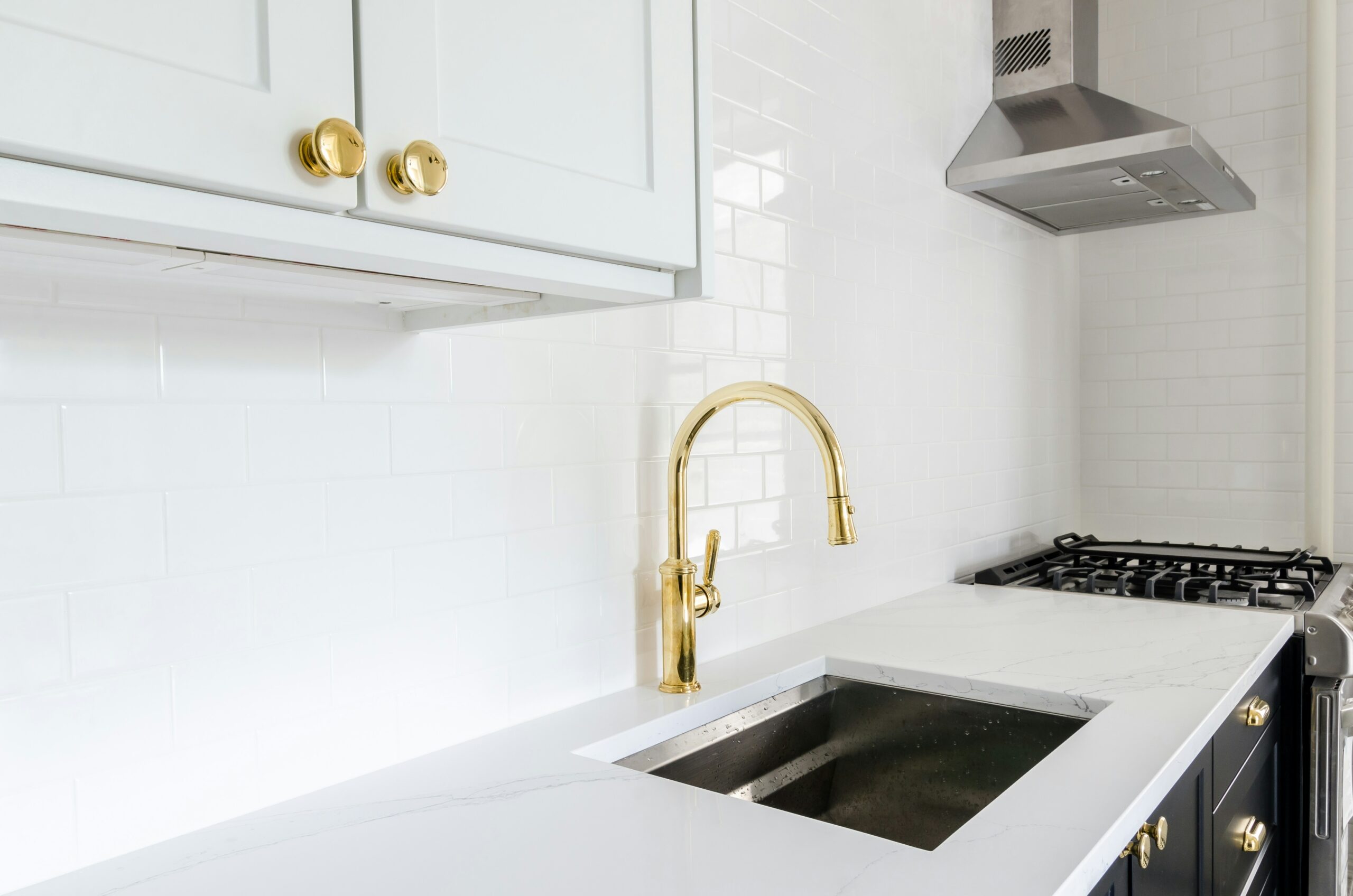
If the drop in pressure is only at this kitchen sink and happened suddenly, the most likely causes are a clogged aerator or sprayer head, a kink or snag in the pull-down hose, or one of the under-sink shutoff valves not being fully open. Start by testing the aerator/sprayer and the pull-down hose before assuming a bigger supply problem. If the situation developed slowly or affects a different fixture, see Pressure slowly worsening at one fixture for related troubleshooting.
Why This Happens
- Mineral deposits or debris clog the aerator screen or sprayer head, restricting flow.
- The pull-down hose can get pinched or its weight can snag, preventing the sprayer from seating or allowing full flow.
- Under-sink stop valves (hot and cold) may be partially closed after recent work or bumped during storage.
- Diverter valves inside the spout that switch flow to the sprayer can fail or clog, limiting flow through the main spout.
For oddly behaving plumbing elsewhere (for example a nearby toilet acting differently), check guidance such as Toilet fills slowly but others are normal.
Step-by-Step What to Do
1. Verify it’s only this sink
- Turn on a bathroom or outdoor faucet briefly. If other fixtures are normal, the issue is local to the kitchen fixture.
- If multiple fixtures are low, the problem may be broader (municipal supply or a main shutoff).
2. Unscrew the aerator or sprayer head and test
- Unscrew the aerator from the spout (use pliers with a cloth if tight). If you have a pull-down sprayer, remove that head as you normally would.
- Run water with the aerator removed into a bucket to test raw flow from the spout. If flow is good without the aerator, the aerator is clogged.
- Clean the aerator screen: rinse, brush, and soak in vinegar for scale before reassembling.
3. Check the pull-down hose for kinks and weight snag
- Fully extend the pull-down hose and look for pinches or places it binds when retracted.
- Inspect the hose weight and its attachment—if the weight moved or the hose rubs, it can restrict flow.
- While the hose is extended, run water into a bucket to confirm full flow through the sprayer.
4. Verify both under-sink shutoff stops are fully open
- Locate the hot and cold shutoff valves under the sink. Turn each fully counterclockwise (open) if they are multi-turn; with quarter-turn valves the handle should be parallel to the pipe for open.
- If a valve is stiff or leaking when moved, stop and consider calling a pro rather than forcing it.
5. Flush cold then hot into a bucket before reassembling
- With aerator/sprayer head removed, run cold water for 30–60 seconds into a bucket to wash out debris from the line.
- Then run hot water the same way to clear any buildup from the hot side and to check the hot-side flow.
- After flushing, reattach the aerator or sprayer head and test flow again.
What Not to Do
- Don’t replace the faucet before checking the aerator, hose kinks, and under-sink stops.
- Don’t force a stuck shutoff valve—forcing can break the valve and cause a leak.
- Avoid pouring harsh drain-cleaning chemicals into the sink while you’re disassembling parts; they can splash and cause harm.
When to Call a Professional
- If you open the aerator and lines but pressure is still low at the spout and you can’t find a local restriction.
- If under-sink valves are leaking, broken, or impossible to operate.
- If you suspect a blocked supply line beyond the valve, a failed cartridge inside the faucet, or any plumbing you’re not comfortable disassembling.
Safety Notes
- Use a bucket and towel to catch water when removing the aerator or sprayer head.
- Be careful with hot water—test temperature with a short blast before placing your hands under flow.
- If you must shut off the home’s main water, know how to do it and drain faucets to relieve pressure before working on connections.
Common Homeowner Questions
- Why did the pressure drop suddenly? — Most often a clogged aerator, a kinked pull-down hose, or a partially closed shutoff.
- Can I clean the aerator myself? — Yes; unscrew it, rinse the screen, and soak in vinegar if mineral scale is present.
- Is it safe to force a stuck valve open? — No; forcing can break the valve and cause a leak—call a pro if it won’t move.
For more related articles, see the Low Pressure at Single Fixture hub.