Quick Answer:
A metallic taste in hot water is often caused by corrosion inside the water heater or nearby hot-water pipes, minerals released by heating, or sediment that concentrates in the tank. Start by testing and isolating the problem — a quick bowl test will show if the hot water itself has a tint or sediment before you do anything else.
Why This Happens
Hot water runs through different materials and sits in the tank, so heating can speed up reactions that release metal ions or particles into the water. Common causes include:
- Corroded plumbing or water heater components (brass, copper, iron).
- A failing sacrificial anode rod in tank heaters that releases metallic compounds as it corrodes.
- Sediment buildup in the tank that holds minerals and loosens when water is used.
- Water chemistry changes from your supply or a utility maintenance event.
If you notice other odors or changes, those clues help narrow the cause — for example, a rotten-egg smell that appears only with hot water can mean a different issue like bacteria in the tank. See Sulfur smell only when heater runs for that situation. If the problem started after being away for a while, check Hot water discolored after vacation.
Step-by-Step What to Do
1. Confirm the problem
- Run hot water into a clean bowl or clear glass. Let it sit and look for color, particles, or a metallic tint. This isolates the hot side from the faucet mixing and shows whether the water itself is affected.
- Compare that to cold water from the same tap. If only the hot water looks metallic, the issue is likely in the heater or hot plumbing.
2. Test other taps
- Try hot water from a different fixture (bathroom, utility sink). If all hot outlets show the same taste or tint, the heater or main hot piping is suspect. If it’s only one tap, the fixture or nearby piping may be the cause.
3. Flush hot lines
- Open the hot faucet at full flow for several minutes to flush standing water and loosened sediment from the lines. Then repeat the bowl test.
- If you have a tank water heater and are comfortable with basic maintenance, running several gallons of hot water from multiple taps can reduce localized deposits — otherwise, skip to calling a professional.
4. Look for visible signs of corrosion
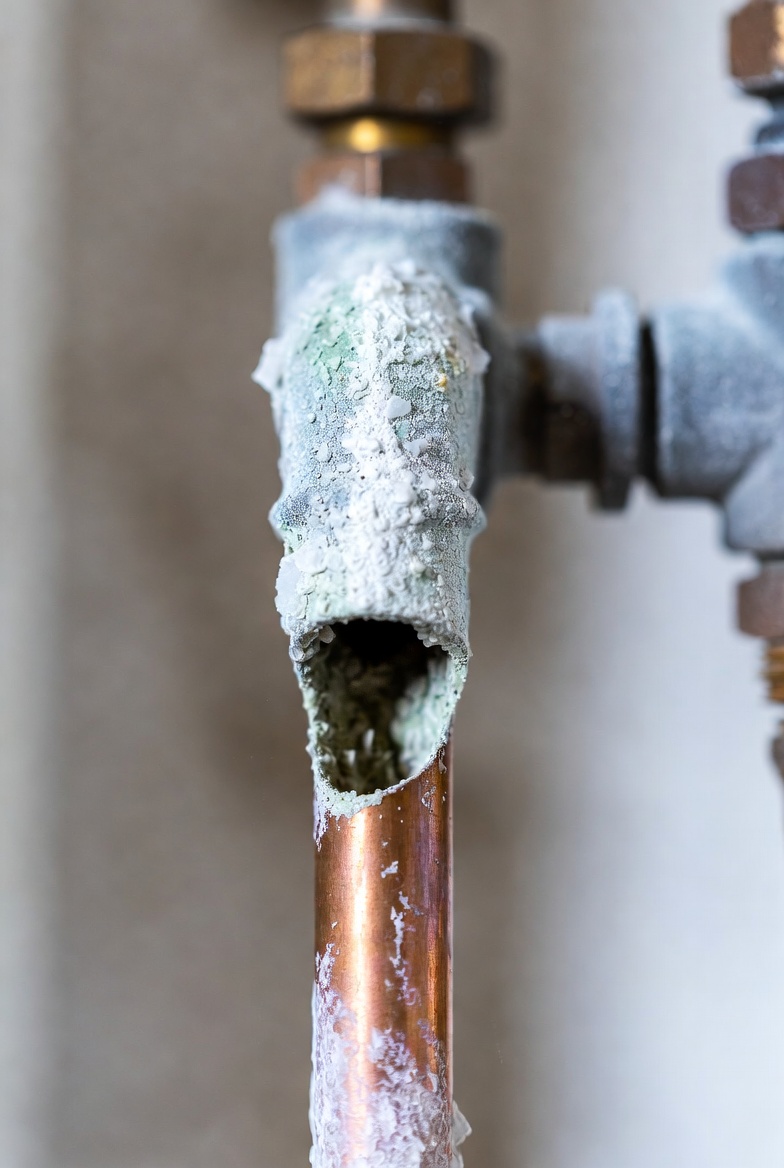
- Check exposed hot-water pipes for greenish or rusty stains, flaking metal, or damp spots. These are signs of corrosion that can leach metals into the water.
5. Monitor after simple fixes
- If flushing and isolating a single fixture cleared the taste, monitor for recurrence. Persistent or worsening metallic taste after these steps means a deeper issue needs inspection.
What Not to Do
- Do not replace heater before isolating metallic taste. Replacing major equipment without confirming the heater is the source can waste money and miss the real problem.
- Do not start dismantling the heater or electrical/gas connections yourself unless you’re qualified; that can be dangerous.
- Do not rely on taste alone to decide water safety; if you suspect contamination, avoid drinking until tested.
When to Call a Professional
- The metallic taste persists after flushing and testing multiple taps.
- You see significant corrosion, leaks, or discolored water that won’t clear.
- The water heater is old (typically over 10 years), the anode rod may be spent, or you’re unsure how to inspect or flush the tank safely.
- Anyone in the household is pregnant, very young, elderly, or immunocompromised and you’re unsure about water quality.
Safety Notes
- Be careful with hot water to avoid burns. Let water cool before doing visual tests if necessary.
- If you shut down the heater or work near electrical or gas connections, turn power/gas off first and follow the manufacturer’s safety instructions — or call a pro.
- If you suspect chemical contamination or feel ill after using the water, stop using it and contact your water utility or a professional for testing.
Common Homeowner Questions
- Why does cold water not taste metallic? — If cold water tastes fine, the issue is usually specific to the heater or hot plumbing, not your whole supply.
- Can flushing the tank fix it? — Flushing can remove sediment and temporarily improve taste, but persistent corrosion or a failing anode rod needs professional attention.
- Is it dangerous to drink metallic-tasting water? — Small amounts occasionally are unlikely to cause immediate harm, but long-term exposure or very strong metallic taste should be tested and addressed.