Odor noticed when a heater runs needs a distinction between gas in room air and an odor associated with the water. A burner-time correlation does not establish a harmless tank reaction. Do not approach a firing heater to sniff or switch heating on and off as an odor experiment.
Treat possible fuel gas as urgent
Leave for a suspected gas leak, alarm, strong unexplained odor, or illness; call from outside. Do not operate switches, fans, flames, or equipment to investigate. A sulfur-like odor alone cannot distinguish fuel gas from water or drain sources.
Describe what had already happened
Record whether a tap was running when the odor appeared, whether it was noticed near the heater with taps closed, and whether the same issue had previously appeared at other hot outlets. Do not deliberately recreate exposure. Provide the model and recent service history to the installer.
Keep water and room-air investigations separate
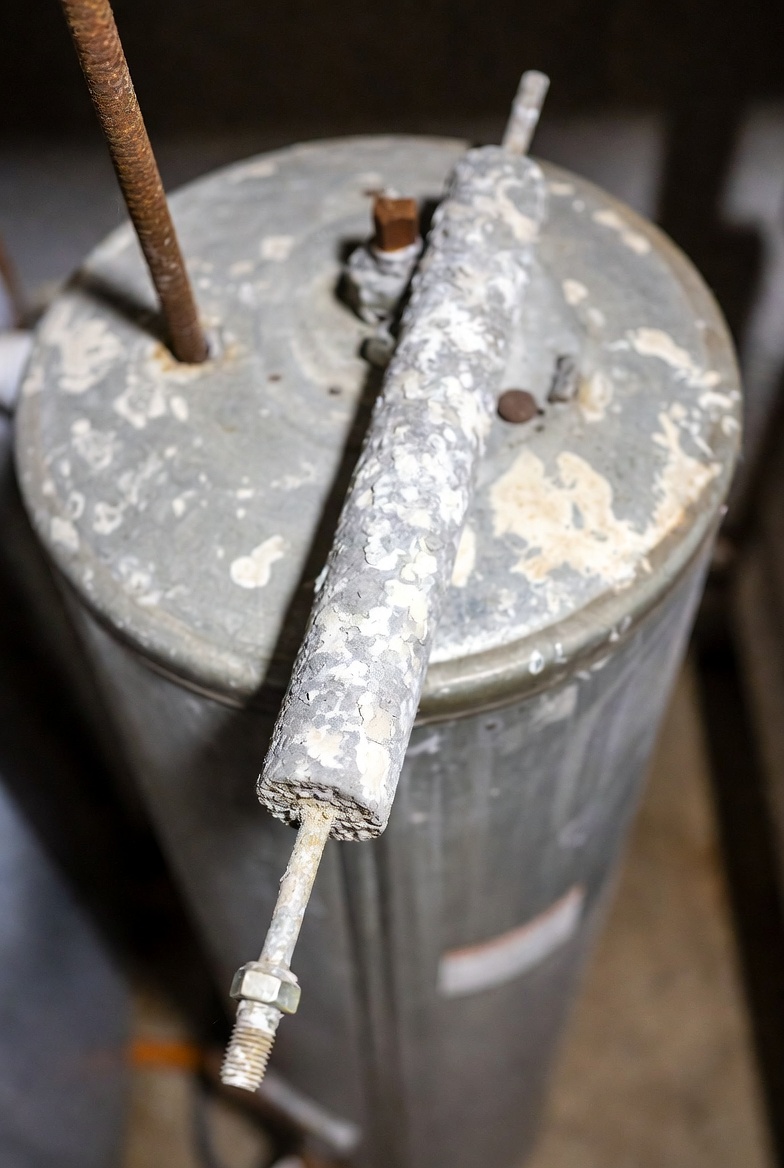
If the concern is in water, avoid tasting it and obtain water-quality advice. Some sulfur odors can involve sulfate chemistry, bacteria, or anode reactions, but the observed timing cannot choose among them. A hot-only observation does not prove the cold water is safe.
Arrange the appropriate assessment
A gas/appliance professional handles suspected fuel or combustion faults. A plumber or water professional can review the tank, actual anode, commissioning, and appropriate laboratory testing after urgent hazards are cleared. Do not remove corrosion protection, disinfect the tank, raise temperature, or drain it using an unspecific internet procedure.
Do not use disappearance as clearance
An odor fading after ventilation, a hot-water draw, or a heater cycle does not establish safe gas concentration or water quality. Persistent or recurring changes deserve investigation rather than a blanket “usually not dangerous” reassurance.
Related scenarios
- Hot water smells after heater drain
- Hot water tastes metallic
- Hot-Water-Only Contamination and Odor Problems
Sources and equipment instructions
- Minnesota Department of Health: Sulfur odors in water
- We Energies: Gas-leak precautions
- EPA: Lead in drinking water
These sources support the safety precautions and plumbing principles above. They do not diagnose this particular home. Use the actual equipment model’s instructions; ask a qualified professional about concealed piping, vents, primers, and gas appliances.