Quick Answer:
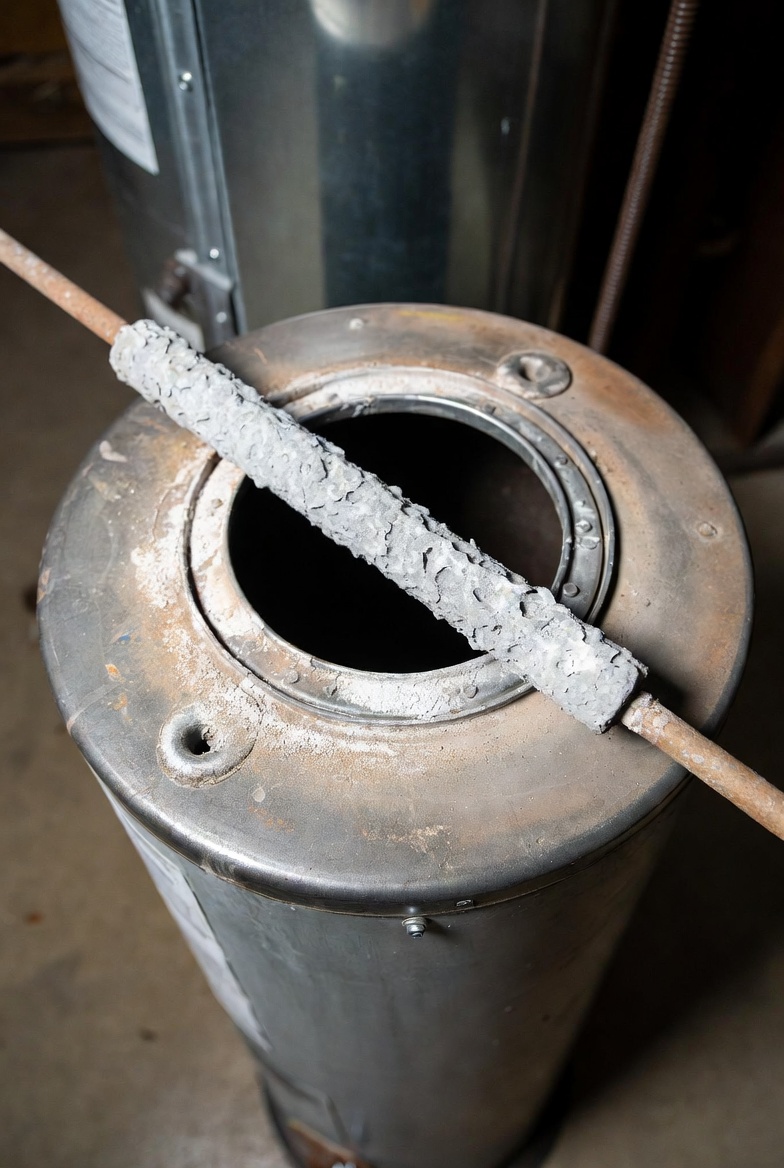
If only the hot water smells foul while the cold water is normal, the issue is most often inside the water heater (bacterial growth, reaction with the sacrificial anode, or trapped sediment) rather than the whole house supply. Collect a hot-only sample, compare it to cold, run some basic flushing, and call a plumber if the smell persists or you see other signs like discoloration or oily residue.
Why This Happens
When the smell appears only from hot taps it usually means something in the heater or the hot plumbing is producing the odor. Common causes:
- Hydrogen sulfide gas (rotten-egg smell) produced by bacteria in warm water reacting with sulfur or the anode rod.
- The sacrificial anode rod (often magnesium) reacting with the water and producing sulfur compounds.
- Trapped sediment or stagnant pockets of water inside the tank encouraging bacterial growth.
- Issues local to hot-only piping or fixtures, such as biofilm in a shower mixing valve.
If you also notice Discolored hot water only or hot water leaving residue, that helps narrow whether the tank or plumbing components are involved. If the hot water leaves a greasy feel or residue, see Hot water leaves oily film for related causes and checks.
Step-by-Step What to Do
1. Confirm the problem with a simple sample
- Run the hot tap for a few seconds, then collect only hot water in a clean glass. Smell it. Do the same with cold water from the same tap and compare.
- Collecting hot-only water in a glass and comparing to cold helps confirm the smell comes from the hot side and not from a nearby source or the faucet.
2. Try local quick fixes
- Open multiple hot taps (tub, sink) and run for several minutes to flush lines. Note whether the smell weakens or disappears.
- Remove and rinse faucet aerators and shower heads; build-up there can hold odors.
3. Flush the water heater
- Draining a few gallons from the tank can remove sediment and stagnant water where bacteria grow. If you’re not comfortable doing this, skip to calling a professional.
- After flushing, recheck hot water for odor. Flushing often helps but may not solve bacterial or anode-related smells permanently.
4. Track patterns and signs
- Note the smell type (rotten egg, metallic, oily), when it appears (after heater idle time, all day), and whether hot water is discolored or leaves residue.
- If the smell returns quickly after flushing, it’s likely an internal heater issue needing professional service.
5. Plan for professional service if needed
- If flushing doesn’t help, call a plumber to inspect the tank, test for hydrogen sulfide, and consider replacing or changing the anode rod or disinfecting the tank.
- If you have a private well, have the well water tested—well chemistry can contribute to hot-water-only odors.
What Not to Do
- Do not drink hot water with foul odor.
- Do not attempt complex repairs on the water heater (anode replacement, heating element service, gas control work) unless you are qualified and have shut off power/gas first.
- Do not mix household chemicals when attempting any disinfection—this can create dangerous fumes.
When to Call a Professional
- The odor persists after flushing and cleaning fixtures.
- You see discolored hot water or an oily film that won’t wash away.
- You notice a strong gas-like smell (call the gas company immediately), leaks, or if you’re unsure how to safely depressurize and drain the tank.
- You have a private well and suspect water-quality problems beyond the heater.
Safety Notes
- Before opening or draining the water heater, turn off power (electric) or set gas to pilot/off and allow the unit to cool. If you’re not comfortable, call a professional.
- Raising the thermostat briefly to disinfect can create scalding risk—use caution and consider professional disinfection instead.
- If the smell is strong and causes nausea or headache, ventilate the area and leave until it clears. A persistent rotten-egg gas smell can indicate more than just water issues; get professional help.
- Avoid drinking hot water you suspect is contaminated; use cold water for drinking until the issue is resolved.
Common Homeowner Questions
- Why does only the hot water smell?
Usually bacteria or an anode reaction inside the heater or trapped sediment—cold water hasn’t been heated so it doesn’t produce the odor. - Is it safe to shower?
Showering is generally safe if the odor is only noticeable and there are no skin reactions, but avoid ingesting the water and stop if you have irritation. - Will flushing the tank fix it?
Sometimes flushing removes the problem temporarily, but persistent smells often need professional inspection and possible anode replacement or tank disinfection.